2026
Native plant spring collection
Curated by Mackenzie Younger
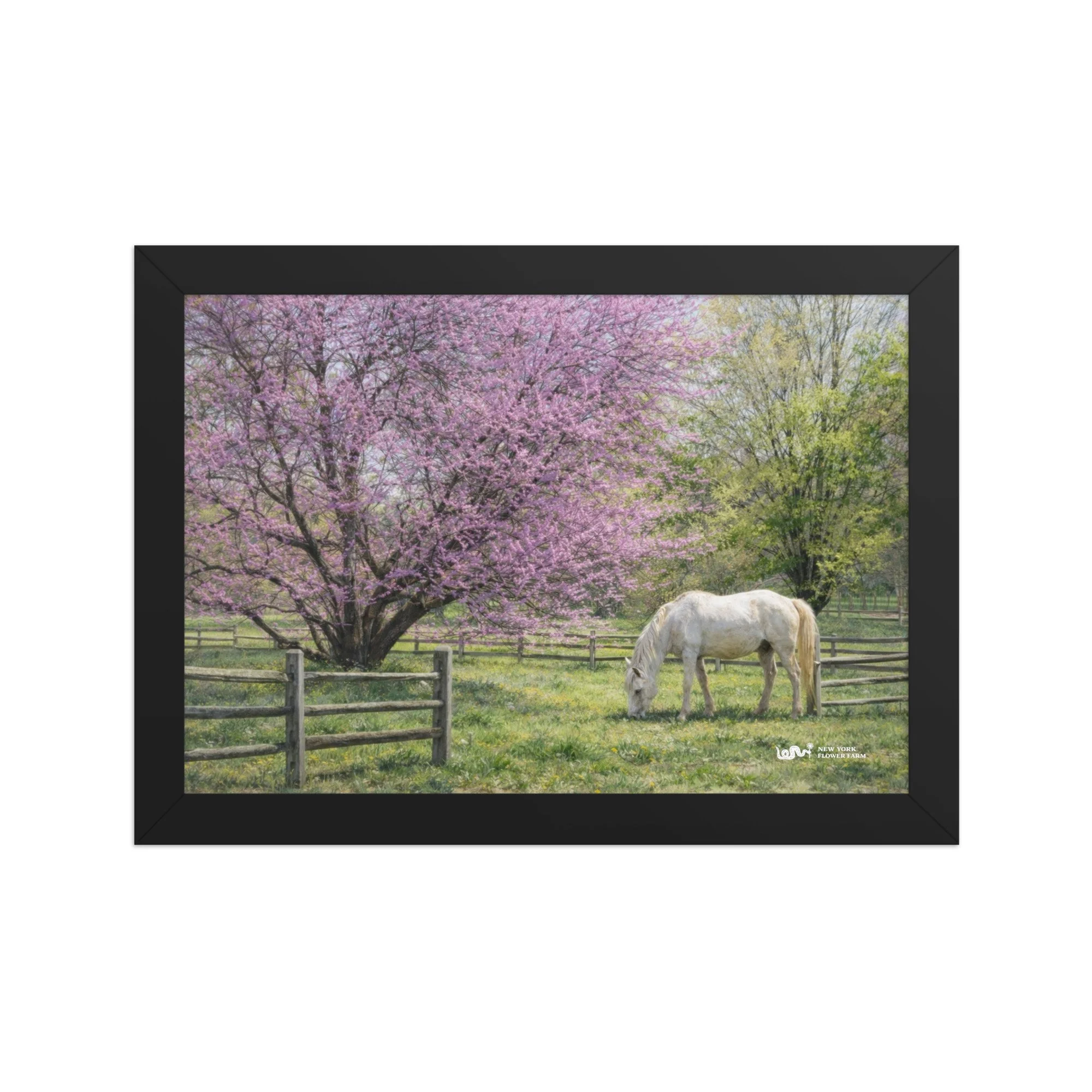


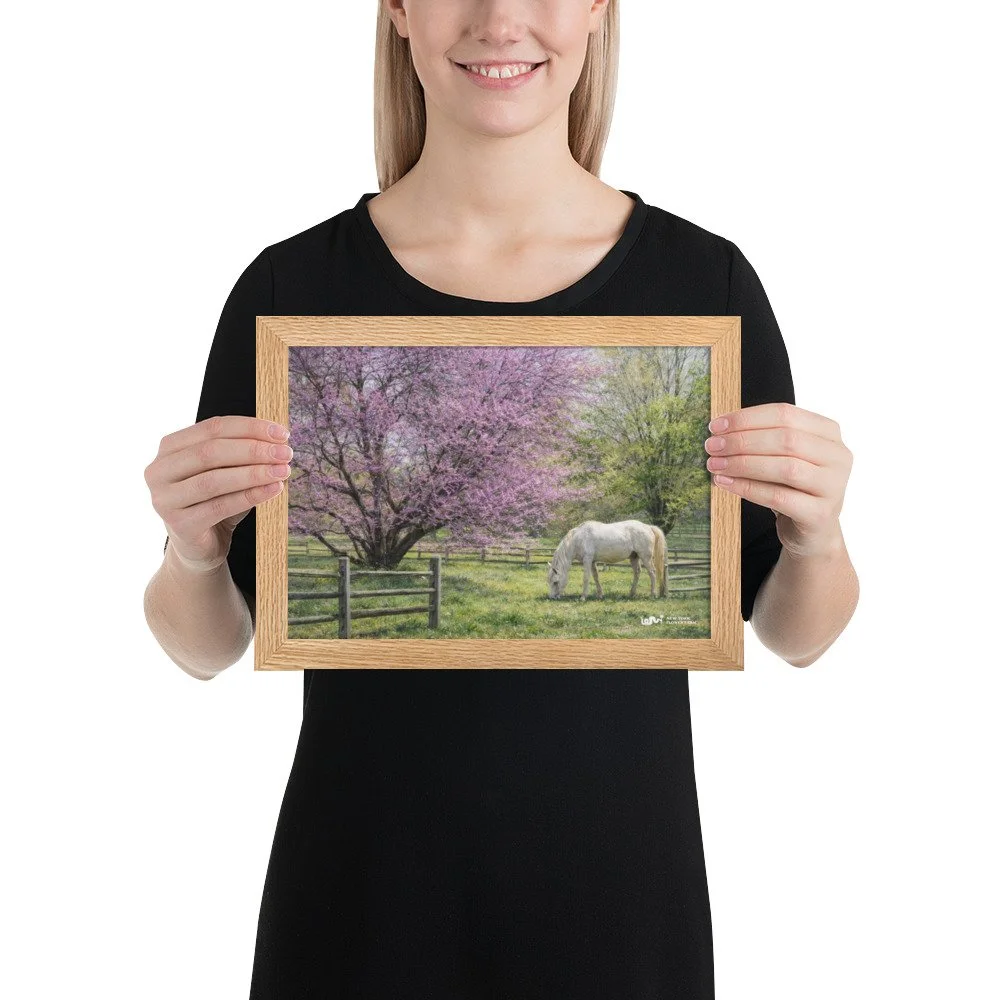
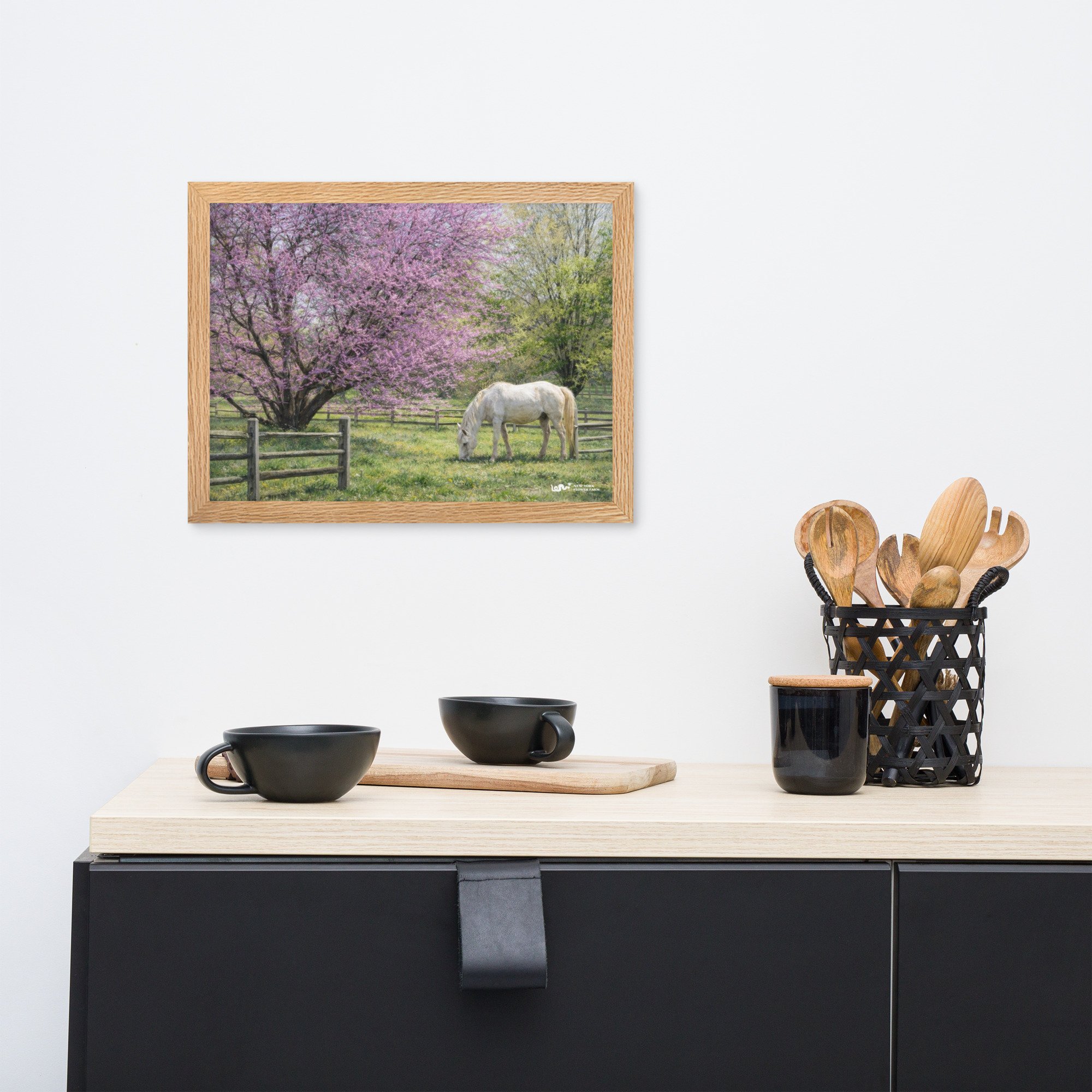
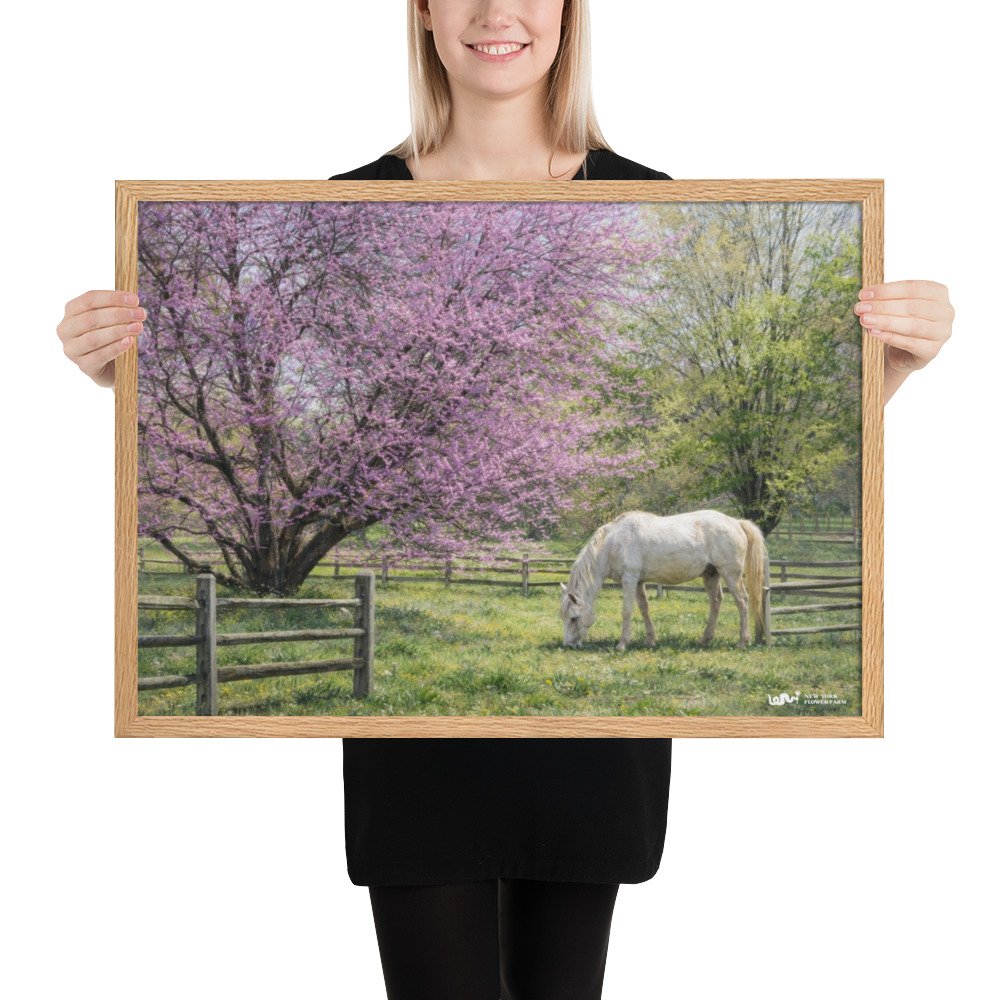
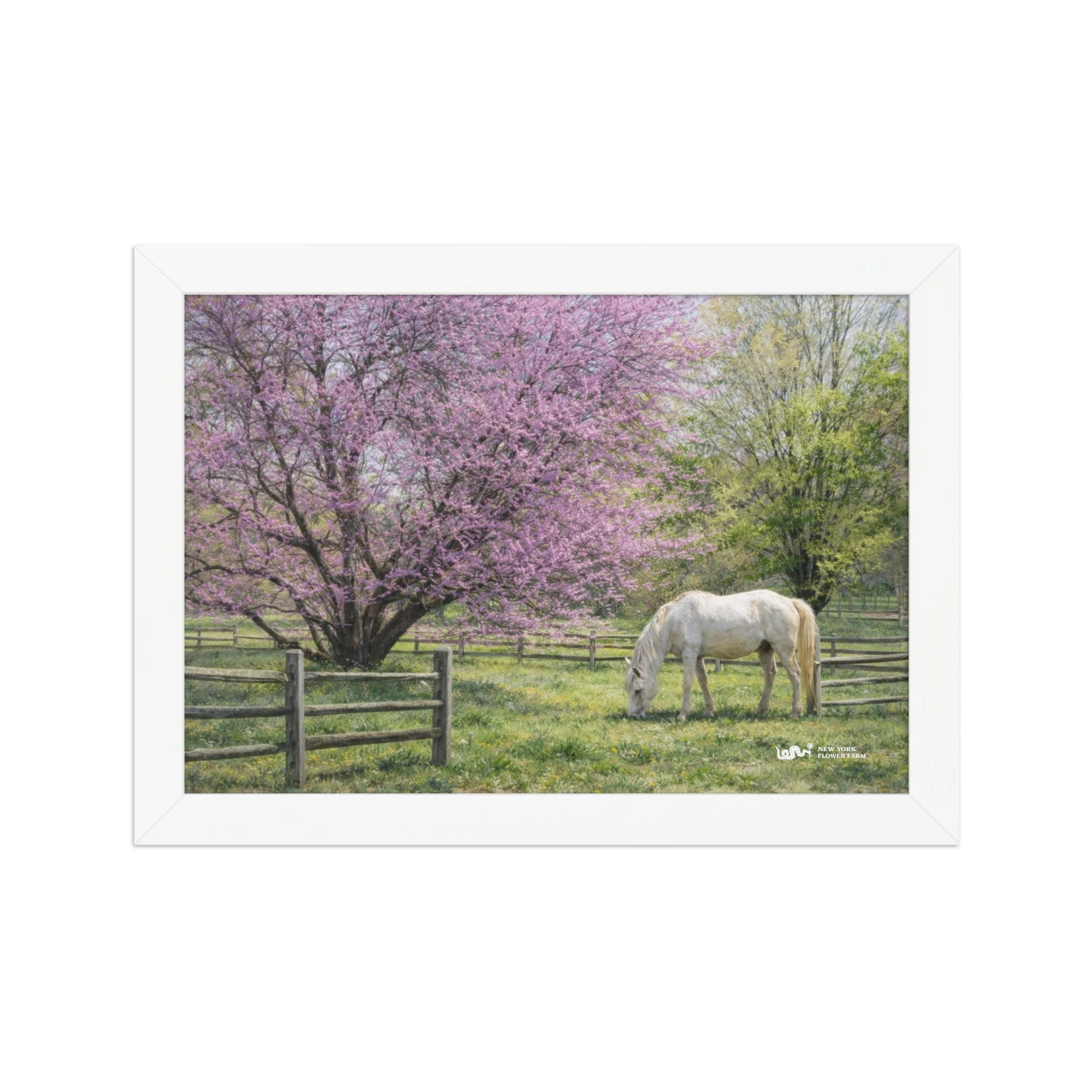
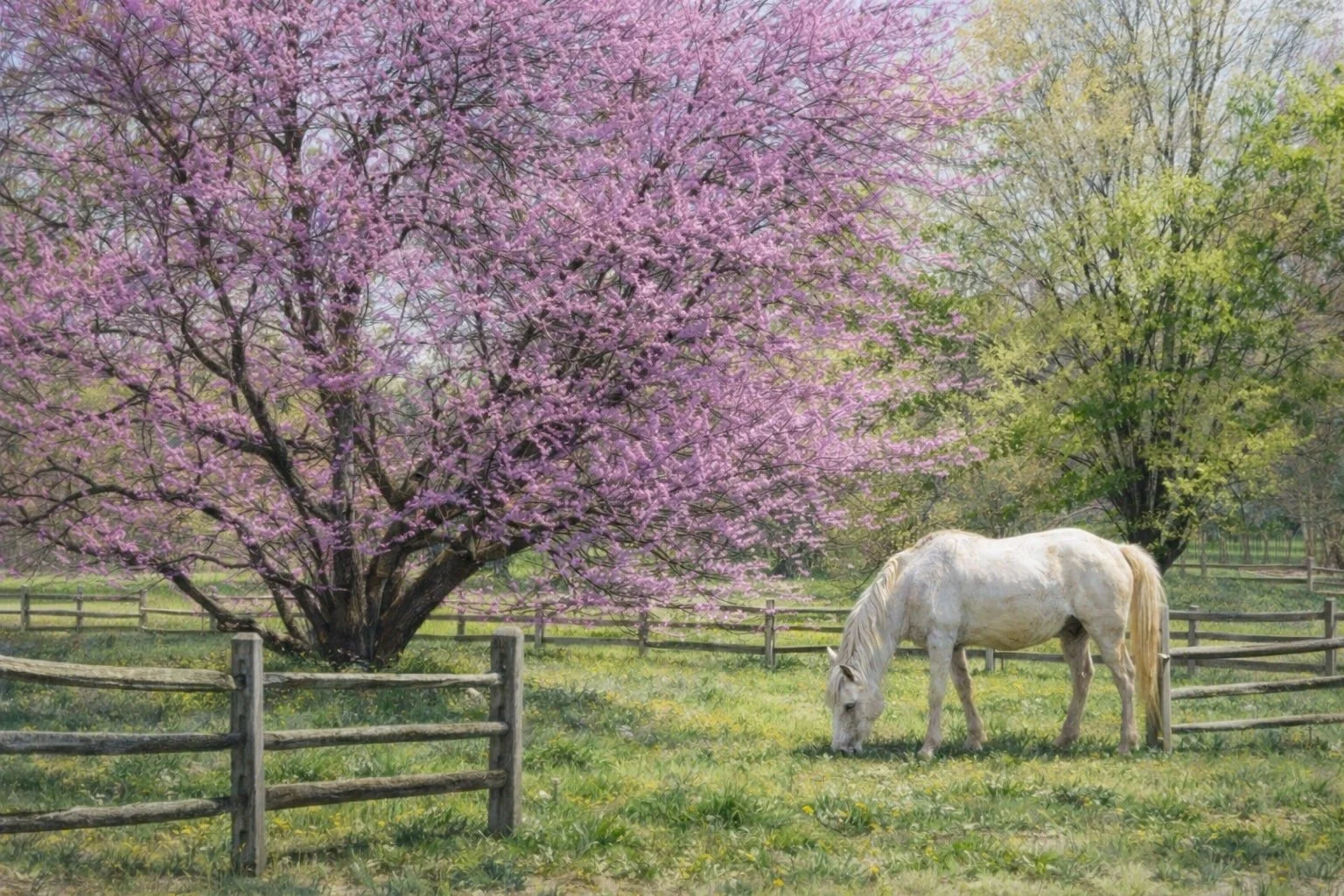
A framed matte paper poster featuring an eastern redbud (Cercis canadensis) blooming in a pastoral landscape alongside a white horse, capturing a quiet moment where native trees and rural wildlife meet. This artwork highlights season, place, and calm movement, making it a timeless piece for homes, studios, and nature-inspired interiors. Available in multiple sizes and frame options to suit a wide range of spaces.
Add a bold statement piece to any room with this framed poster. Printed on quality, thick, matte paper.
• Paper weight: 189 g/m²
• 0.26 mm (10.3 mil) thick
• Black and white frame made from semi-hardwood alder
• Oak frame made from solid oak
• Acrylite front protector
• Hanging hardware included
• 21 × 30cm posters are size A4
• Blank product components in the US sourced from Japan and the US
• Blank product components in the EU sourced from Japan and Latvia
How to attach hooks on 61 × 91 cm horizontal frames:
Place each of the mounting hooks 2.5 cm from frame corners when hanging horizontally.
Inspiring native plants for meaningful landscapes
‘Cherokee Princess’ dogwood
Great fall color *host plant *red berries
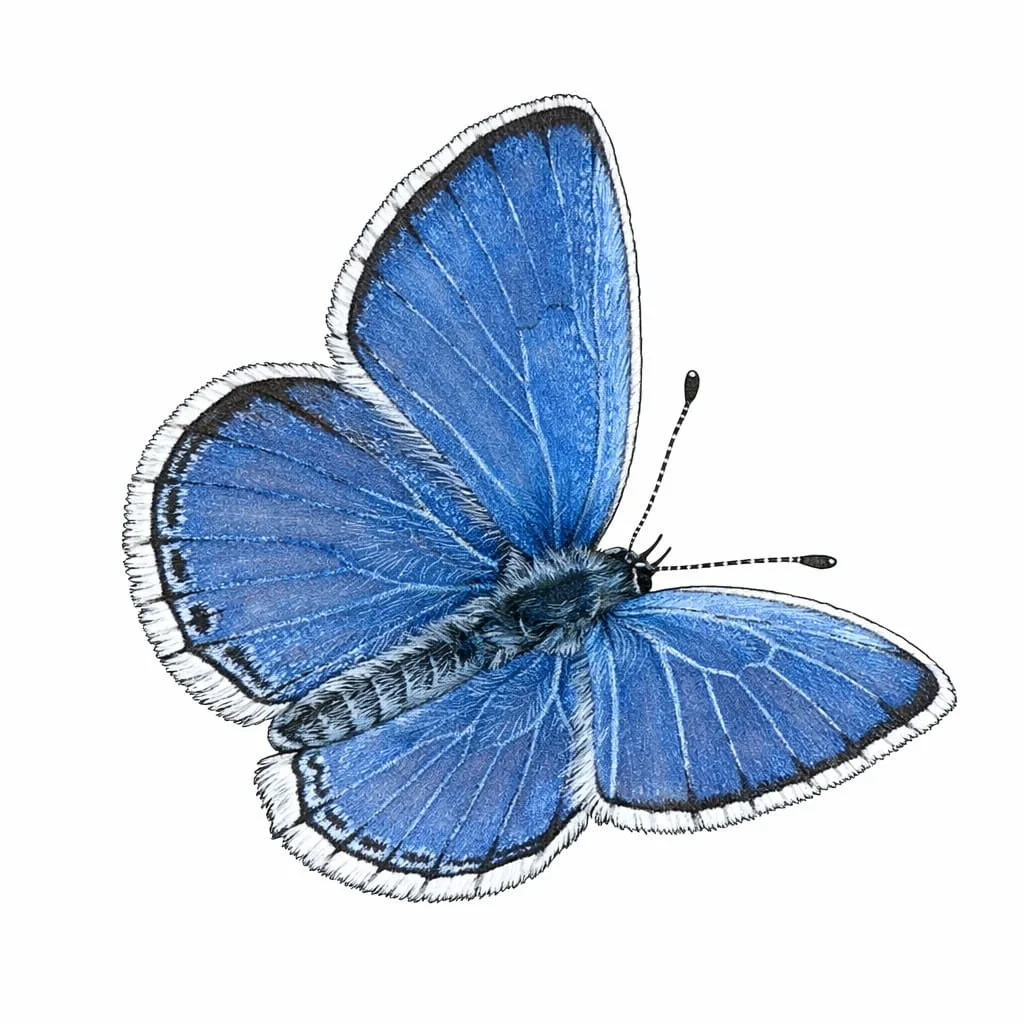
An iconic native tree with white spring flowers, ‘Cherokee Princess’ dogwood has red berries loved by songbirds, and rich burgundy fall color. Thrives in full sun to part shade and serves as a host plant for the Spring Azure butterfly.
Spring flowering trees
Bloom period: May-June
Spring flowering trees are among the earliest and most rewarding native plants to bloom, marking the transition from winter to spring with vibrant flowers and seasonal interest. These small native trees provide reliable annual blooms, support pollinators, and add structure and beauty to the landscape. Well suited to full sun or part shade, their manageable size makes them ideal for home gardens, front yards, and mixed plantings throughout the Hudson Valley and New York City.
‘Cherokee Princess’ dogwood
Great fall color *host plant *red berries
An iconic native tree with white spring flowers, ‘Cherokee Princess’ dogwood has red berries loved by songbirds, and rich burgundy fall color. Thrives in full sun to part shade and serves as a host plant for the Spring Azure butterfly.
Availability: 12
‘Cherokee Princess’ Flowering Dogwood (Cornus florida ) is a classic selection of our native flowering dogwood, valued for its large white spring blooms, strong branching structure, and reliable performance in Northeast landscapes. Native to eastern North America, flowering dogwood is a beloved understory tree in Hudson Valley and New York gardens, where it brings elegance, seasonal rhythm, and ecological value to residential and naturalistic plantings alike.
In spring, ‘Cherokee Princess’ produces abundant, showy white bracts that appear just as the landscape begins to leaf out, creating one of the most iconic spring displays in New York woodlands and gardens. These blooms are followed by glossy green foliage through summer, bright red berries in fall that are highly attractive to birds, and rich burgundy to purple fall color. In winter, the tree’s layered branching and textured bark add subtle structure to the landscape.
Well suited to Hudson Valley residential landscapes, ‘Cherokee Princess’ performs beautifully as a specimen tree, along woodland edges, or beneath a light canopy. Like all flowering dogwoods, it supports native insects and birds and contributes to layered, wildlife-friendly New York garden designs.
Plants Should Be Protected From Deer:
This plant should be fenced or grown within a fenced area to prevent deer browse. In low to moderate deer pressure areas, applying deer spray monthly is typically effective at preventing browsing. For trees with branches above 5 feet, fencing is not required; however, a tree tube is recommended while the tree is young to prevent buck rubbing in the fall.
‘Flame Thrower’ Redbud
Colorfull foliage *pink spring flowers
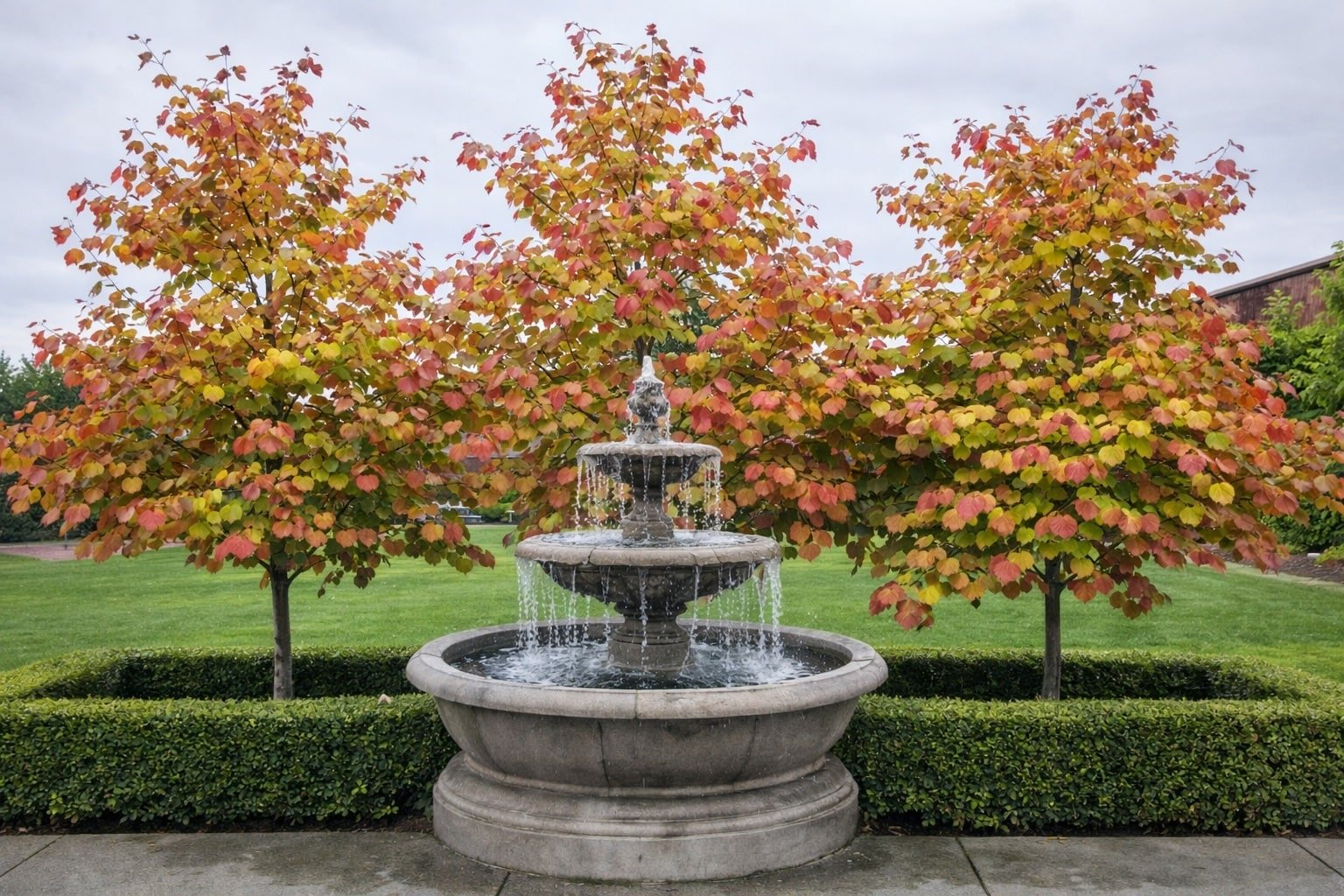
‘Flame Thrower’ Eastern redbud features explosive foliage in shades of orange, red, and yellow—especially vibrant on new spring growth after flowering. Early spring pink blooms and bold leaf color make this tree a standout in any garden.
Availability: 30
‘Flame Thrower’ Eastern Redbud (Cercis canadensis ‘Flame Thrower’) is a striking native ornamental tree celebrated for its bold, color-shifting foliage and classic spring bloom. A cultivated selection of our native eastern redbud, ‘Flame Thrower’ brings dramatic seasonal interest to Hudson Valley landscapes while maintaining the ecological value and adaptability of the species.
In early spring, soft pink pea-like flowers emerge directly along the branches and trunk, creating a luminous display before the leaves appear. As the season progresses, foliage unfurls in rich burgundy tones before transitioning through fiery shades of red, orange, yellow, and green—often displaying multiple colors on the tree at once. This dynamic foliage gives ‘Flame Thrower’ its name and makes it a true focal point in the landscape.
Compact in stature and highly ornamental, ‘Flame Thrower’ works beautifully as a specimen tree, along woodland edges, or as a standout accent near patios, paths, and garden entries. Like all eastern redbuds, it supports early-season pollinators and contributes to layered, wildlife-friendly garden designs.
Plants Should Be Protected From Deer:
This plant should be fenced or grown within a fenced area to prevent deer browse. In low to moderate deer pressure areas, applying deer spray monthly is typically effective at preventing browsing. For trees with branches above 5 feet, fencing is not required; however, a tree tube is recommended while the tree is young to prevent buck rubbing in the fall.
‘Forest Pansy’ Redbud
Colorfull foliage *pink spring flowers
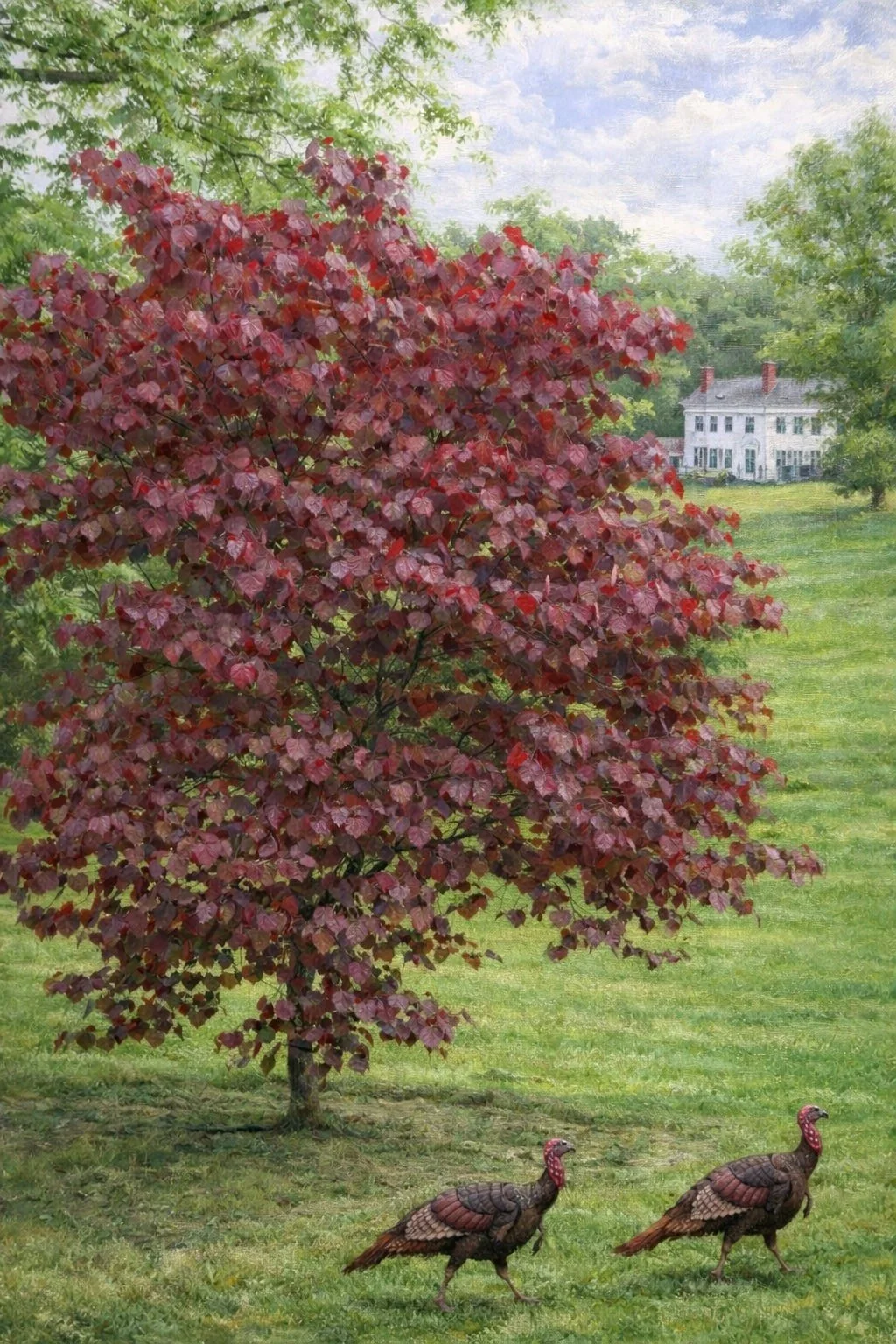
‘Forest Pansy’ Eastern redbud features rich burgundy foliage following its early spring pink flowers. This dark-leaved tree adds depth to the landscape and provides striking contrast against the sea of green found in many gardens.
Availability: 16
‘Forest Pansy’ Eastern Redbud (Cercis canadensis ‘Forest Pansy’) is a standout selection of our native eastern redbud, valued for its rich purple foliage, early spring flowers, and refined small-tree form. Native to eastern North America, redbud is a classic choice for Hudson Valley and New York landscapes, where it performs beautifully as an understory tree in both residential gardens and naturalistic plantings.
In early spring, before the leaves emerge, soft rose-pink flowers bloom directly along the branches and trunk, offering one of the earliest and most recognizable signs of spring in New York gardens. As the season progresses, large heart-shaped leaves unfurl in deep burgundy-purple tones, providing dramatic foliage color through summer. In fall, leaves often transition to warm shades of red, bronze, and orange, extending seasonal interest well into autumn.
Well suited to Hudson Valley residential landscapes, ‘Forest Pansy’ works especially well as a specimen tree, along woodland edges, or as a focal point near paths, patios, and garden entries. Like all eastern redbuds, it supports early-season pollinators and brings layered structure to native-forward New York garden designs.
Plants Should Be Protected From Deer:
This plant should be fenced or grown within a fenced area to prevent deer browse. In low to moderate deer pressure areas, applying deer spray monthly is typically effective at preventing browsing. For trees with branches above 5 feet, fencing is not required; however, a tree tube is recommended while the tree is young to prevent buck rubbing in the fall.
Availability: 20
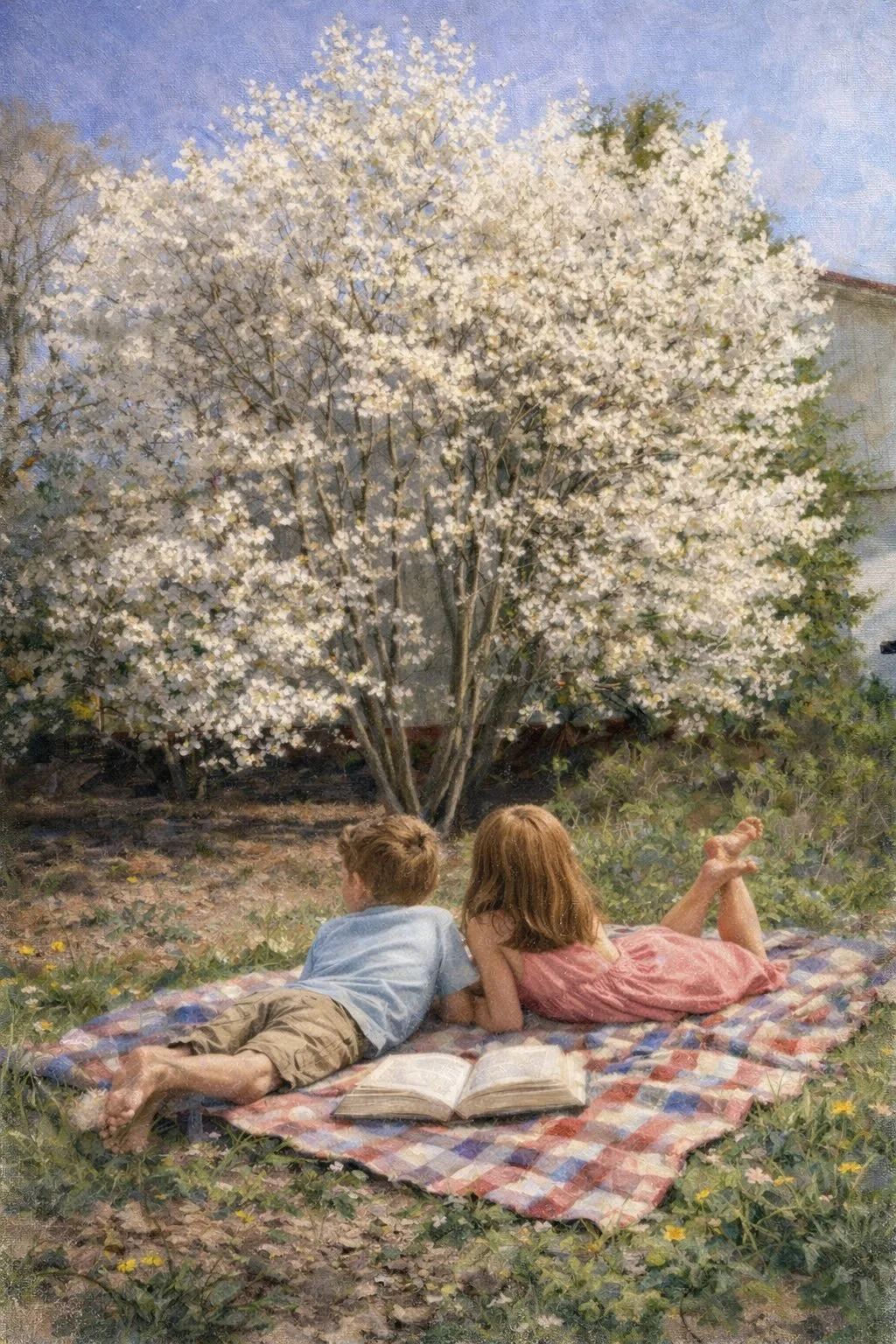
Allegheny Serviceberry (Amelanchier laevis) is a graceful native small tree prized for its early spring flowers, edible berries, and outstanding four-season interest. Native to eastern North America, this species is exceptionally well suited to Hudson Valley and New York landscapes, where it thrives as a woodland-edge tree, multi-stem specimen, or refined addition to residential gardens.
In early spring, delicate white flowers emerge before the foliage fully unfolds, creating a soft, luminous display that signals the start of the growing season in New York gardens. These blooms are followed by small, dark purple berries in early summer that are edible and highly attractive to birds. New foliage emerges with bronze tones, matures to blue-green through summer, and finishes the season with brilliant fall color in shades of orange, red, and burgundy—particularly striking in Hudson Valley autumn landscapes.
With smooth gray bark, elegant branching, and strong wildlife value, Amelanchier laevis is a cornerstone native tree for layered plantings, naturalistic gardens, and habitat-focused designs throughout the Hudson Valley and greater Northeast. Its moderate size makes it an excellent choice for residential landscapes where seasonal beauty and ecological function are equally important.
Plants Should Be Protected From Deer:
This plant should be fenced or grown within a fenced area to prevent deer browse. In low to moderate deer pressure areas, applying deer spray monthly is typically effective at preventing browsing. For trees with branches above 5 feet, fencing is not required; however, a tree tube is recommended while the tree is young to prevent buck rubbing in the fall.
First to bloom *host plant *berries *fall color
Availability: 10
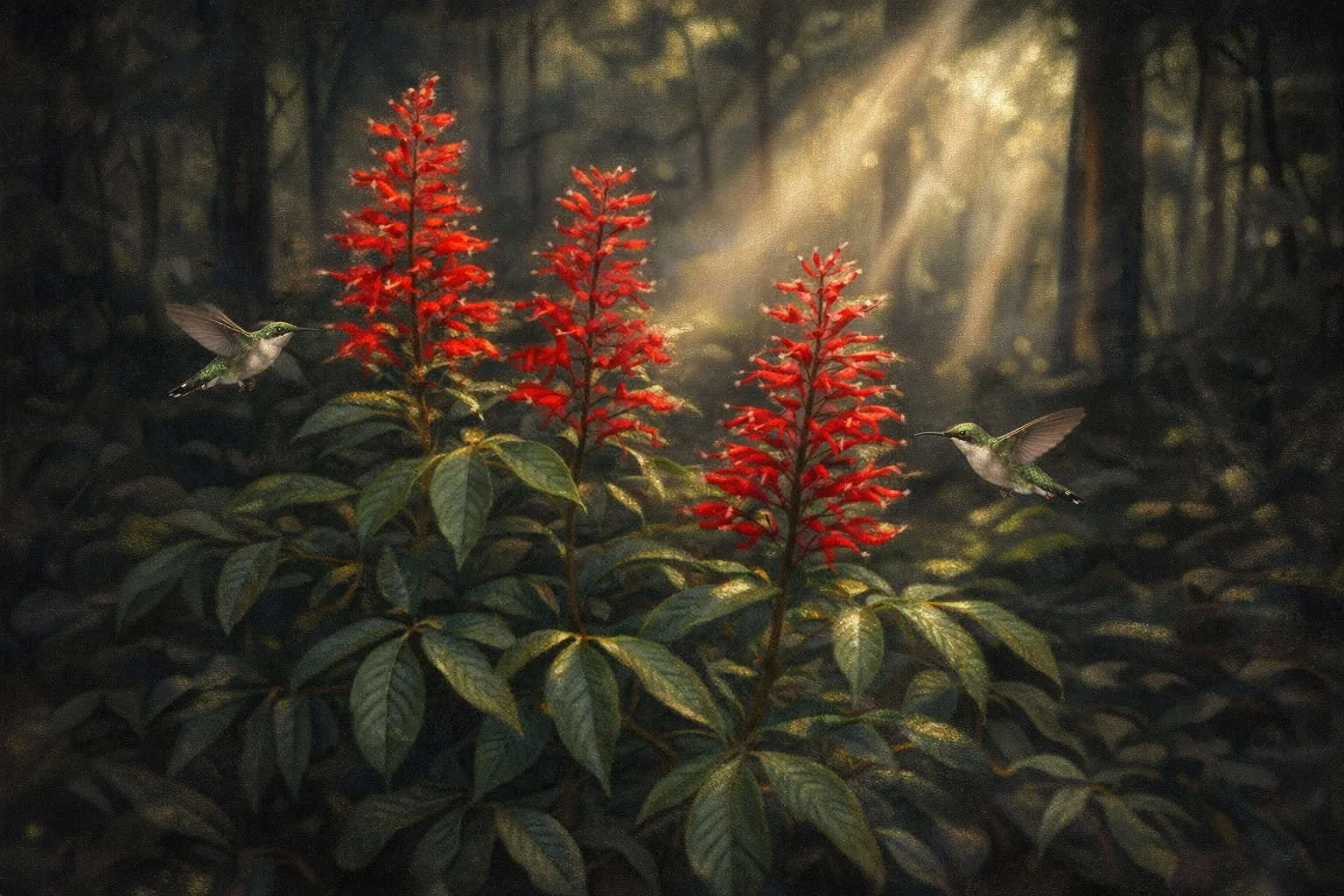
Red Buckeye (Aesculus pavia) is a striking small native tree or large shrub valued for its early spring red flowers, compact form, and exceptional wildlife value. Native to the southeastern United States, red buckeye performs well in protected sites in Hudson Valley and New York landscapes, where it offers bold seasonal interest without the scale of larger buckeye species.
In mid to late spring, Aesculus pavia produces upright clusters of tubular, scarlet-red flowers that are among the earliest nectar sources for hummingbirds. The blooms appear before or as the foliage emerges, creating a dramatic early-season display. Palmately compound leaves provide a lush, tropical texture through spring and early summer before dropping relatively early in fall, allowing more light to reach understory plantings.
Well suited to Hudson Valley residential landscapes, Red Buckeye thrives in full sun to part shade and prefers average, well-drained soil with consistent moisture during establishment. It works beautifully as a specimen near patios and walkways, along woodland edges, or in mixed native plantings where early spring color and wildlife support are priorities. Its manageable size and architectural form make it an excellent alternative to larger flowering trees in space-conscious gardens.
Moderate Deer Resistance
Rattlesnake Master is generally avoided by deer and performs best in Hudson Valley gardens with low to moderate deer pressure.
Availability: 20
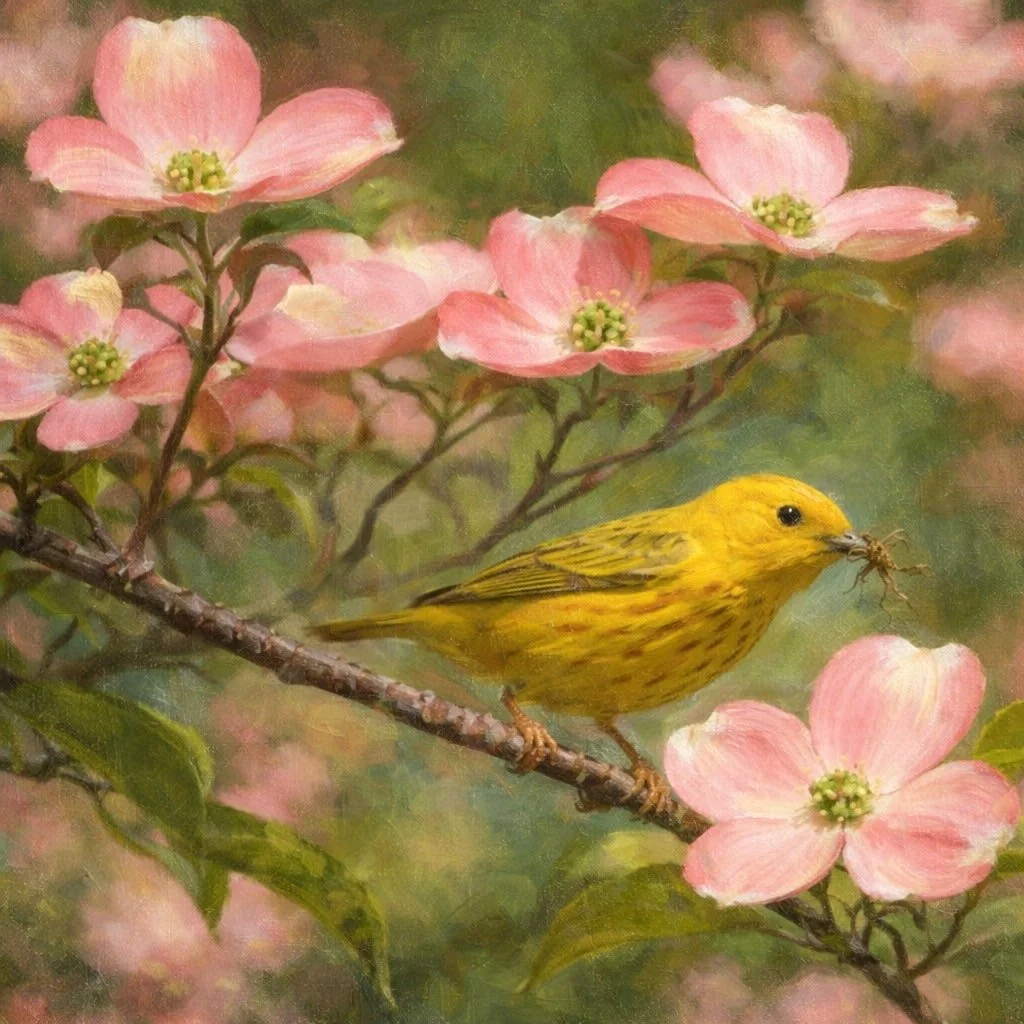
‘Cherokee Brave’ Flowering Dogwood (Cornus florida ‘Cherokee Brave’) is a striking selection of our native flowering dogwood, admired for its deep pink to red spring blooms, refined branching, and strong ornamental presence. Native to eastern North America, flowering dogwood is a treasured understory tree in Hudson Valley and New York landscapes, and ‘Cherokee Brave’ adds richer color while maintaining the classic form and ecological value of the species.
In spring, bold rosy-red bracts appear as the garden awakens, creating a dramatic focal point in New York gardens just as trees begin to leaf out. Glossy green foliage follows through summer, transitioning to attractive reddish-purple tones in fall. Bright red berries provide seasonal interest and an important food source for birds, while winter reveals the tree’s elegant branching structure.
Well suited to Hudson Valley residential landscapes, ‘Cherokee Brave’ works beautifully as a specimen tree, along woodland edges, or as a focal point near paths, patios, and garden entries. Like all flowering dogwoods, it supports native insects and birds and contributes to layered, wildlife-friendly New York garden designs.
Plants Should Be Protected From Deer:
This plant should be fenced or grown within a fenced area to prevent deer browse. In low to moderate deer pressure areas, applying deer spray monthly is typically effective at preventing browsing. For trees with branches above 5 feet, fencing is not required; however, a tree tube is recommended while the tree is young to prevent buck rubbing in the fall.
Pollinator magnet *host plant
Availability: 5
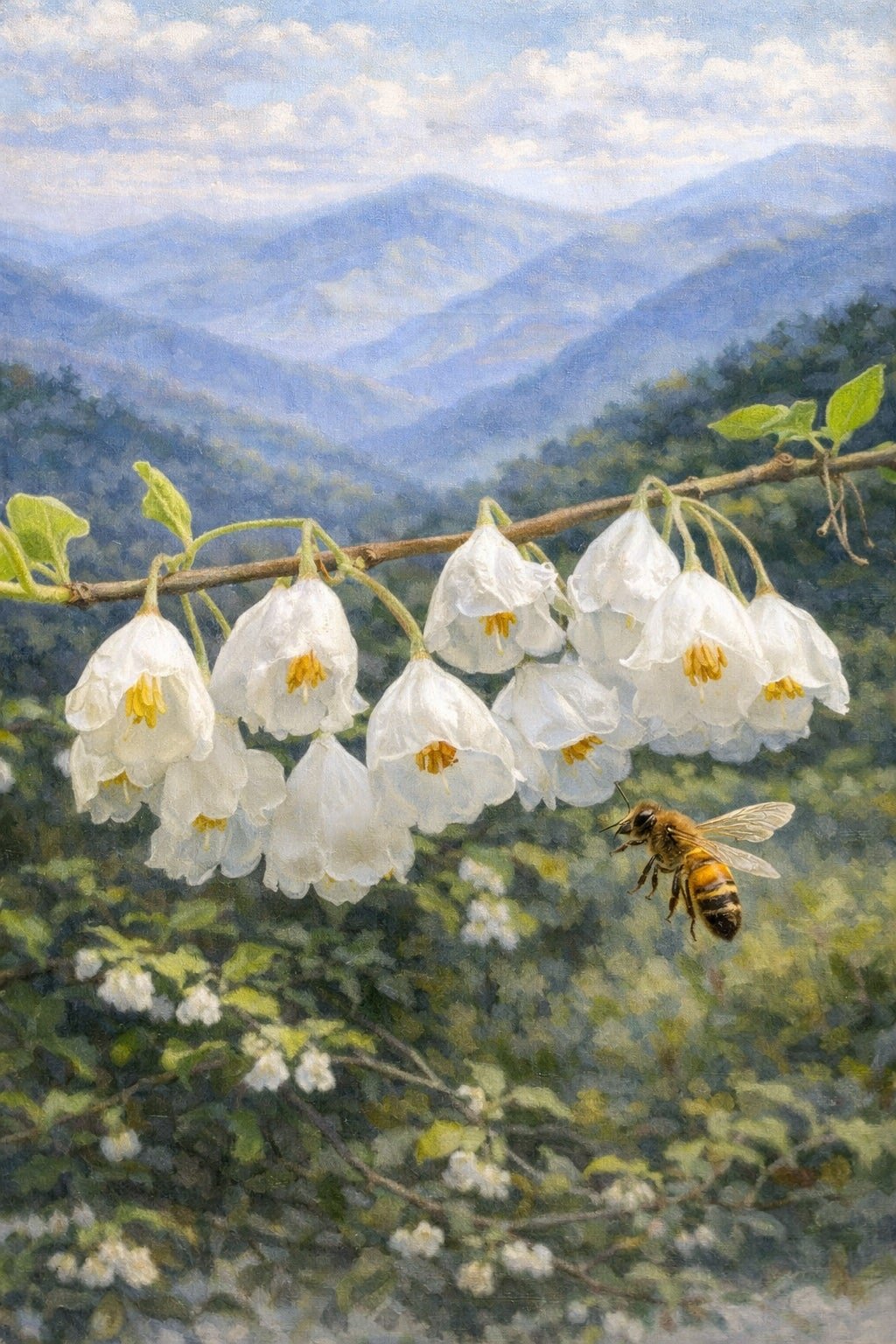
Carolina Silverbell (Halesia carolina, syn. Halesia tetraptera) is a graceful native understory tree admired for its delicate spring flowers, refined branching, and calm, woodland character. Native to eastern North America, Carolina Silverbell is especially well suited to Hudson Valley and New York landscapes, where it thrives in woodland edges, shaded gardens, and naturalistic residential plantings.
In spring, Carolina Silverbell produces abundant, pendulous white bell-shaped flowers that hang beneath the branches, creating a soft, elegant display that pairs beautifully with early ephemerals and woodland perennials common to New York gardens. Fresh green foliage follows through summer, offering light shade and a fine-textured canopy. In fall, leaves turn clear yellow, adding another layer of seasonal interest before dropping to reveal the tree’s smooth gray bark and sculptural form.
With its modest size, understated beauty, and strong regional character, Halesia carolina is an excellent choice for Hudson Valley residential landscapes seeking a native flowering tree that feels both refined and quietly wild. It brings seasonal rhythm, ecological value, and a sense of place to layered, native-forward garden designs.
Plants Should Be Protected From Deer:
This plant should be fenced or grown within a fenced area to prevent deer browse. In low to moderate deer pressure areas, applying deer spray monthly is typically effective at preventing browsing. For trees with branches above 5 feet, fencing is not required; however, a tree tube is recommended while the tree is young to prevent buck rubbing in the fall.
Host Plant
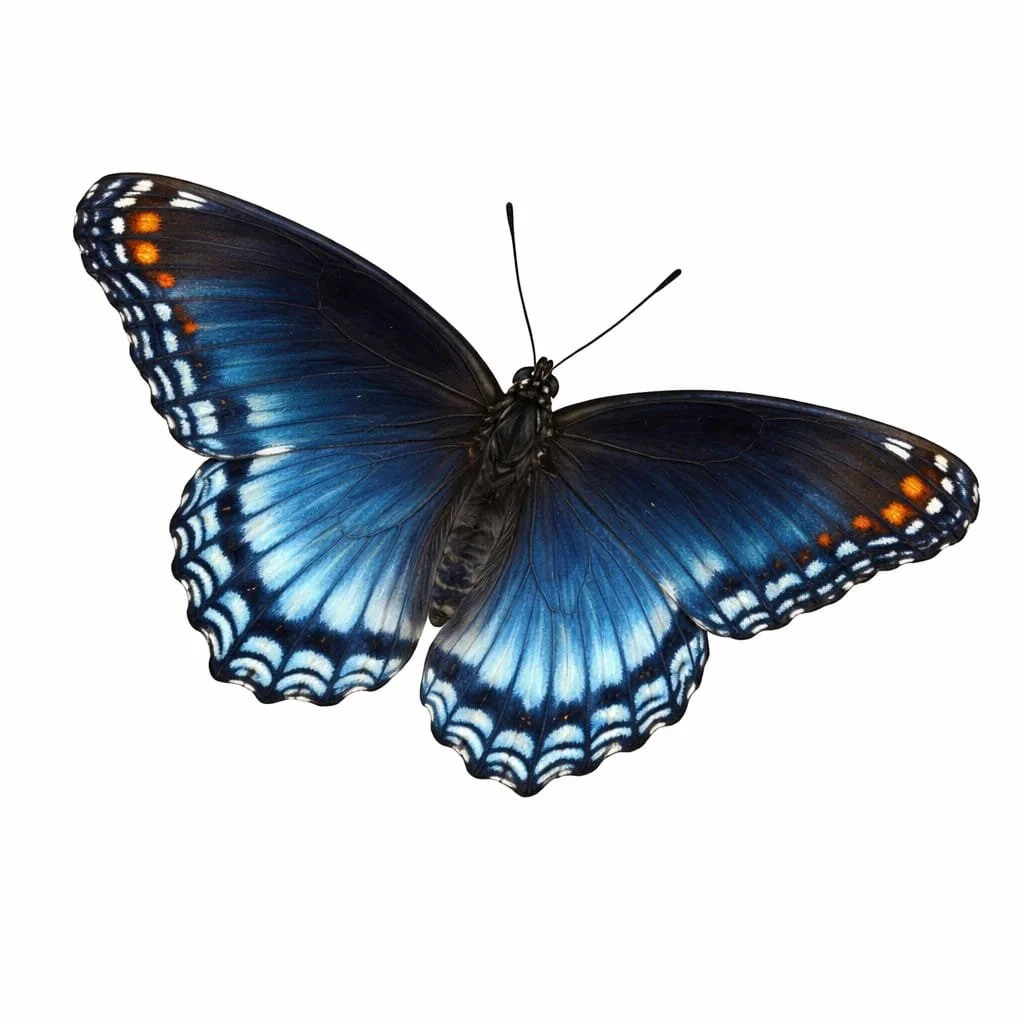
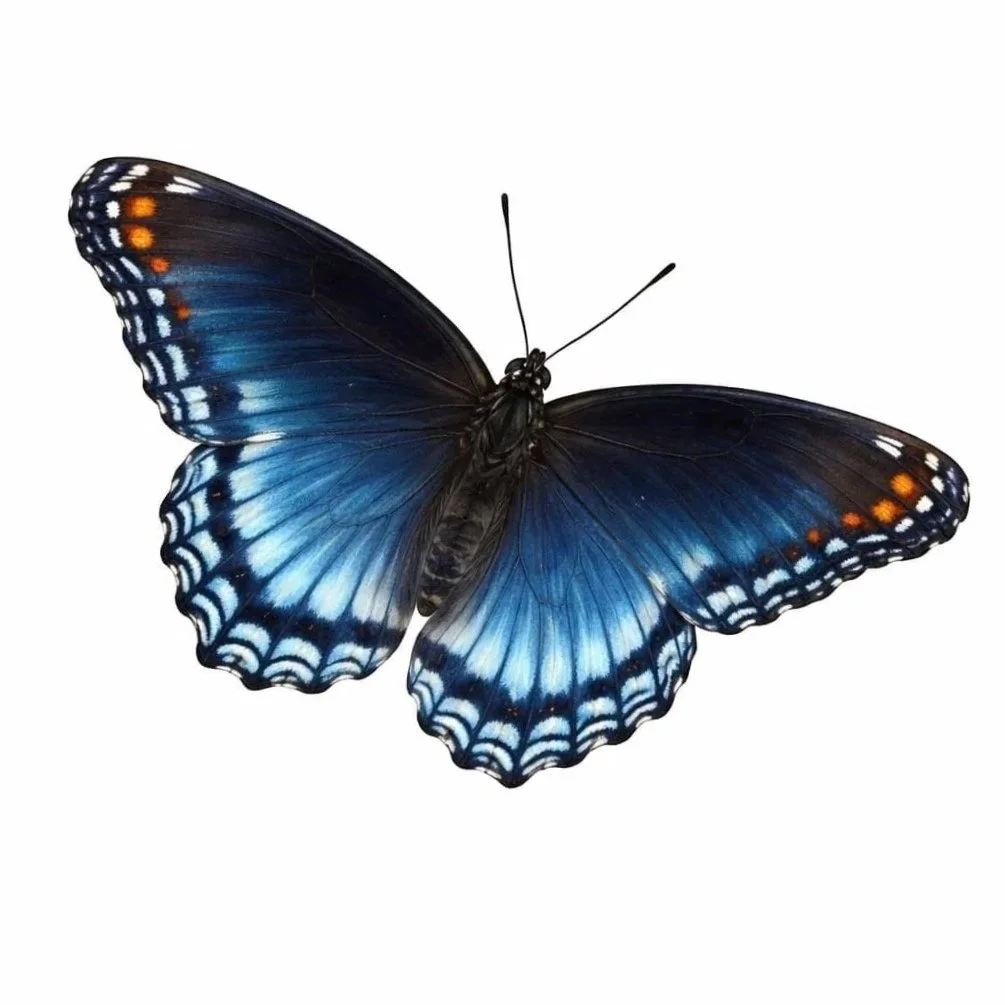
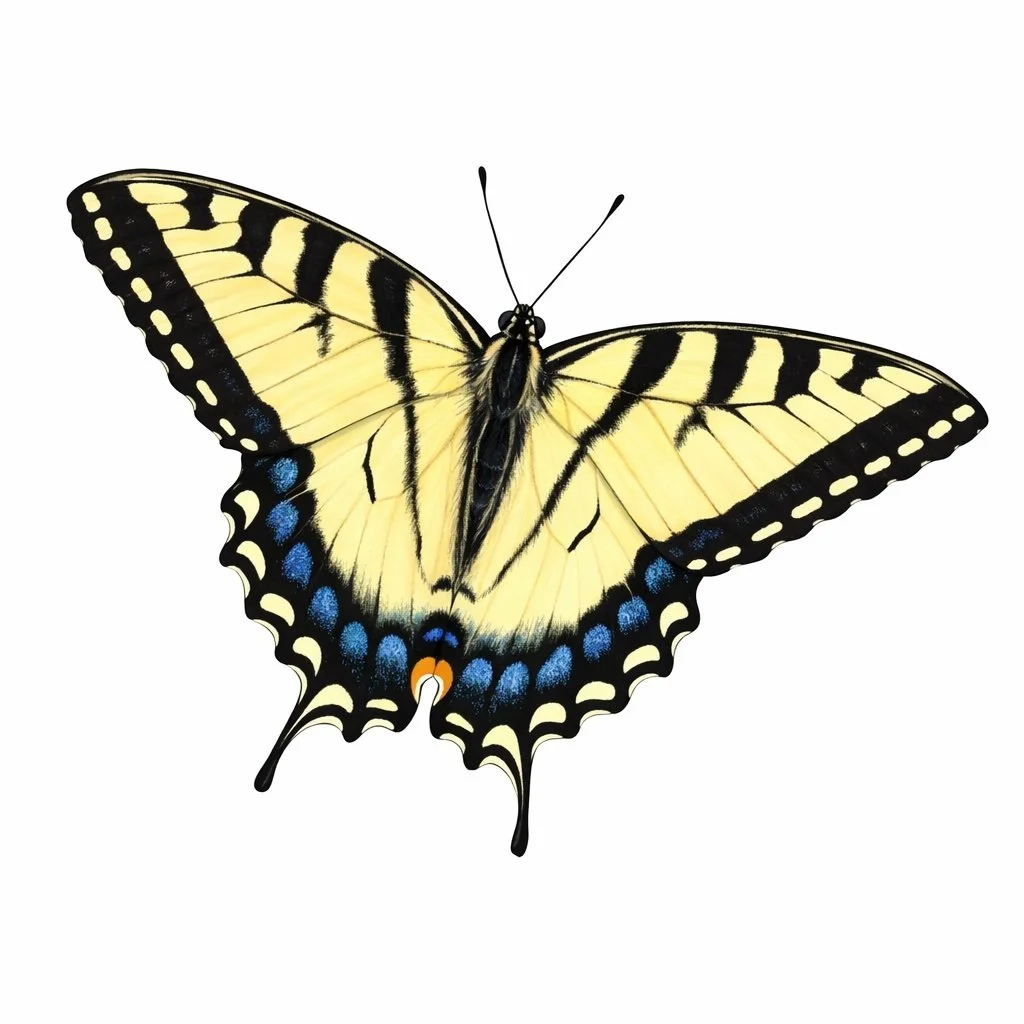
Depending on the region; Eastern Tiger Swallowtail, Mourning Cloak, Eastern Comma, Red-spotted Purple and Viceroy Butterflies have been reported use this tree
Availability: 10
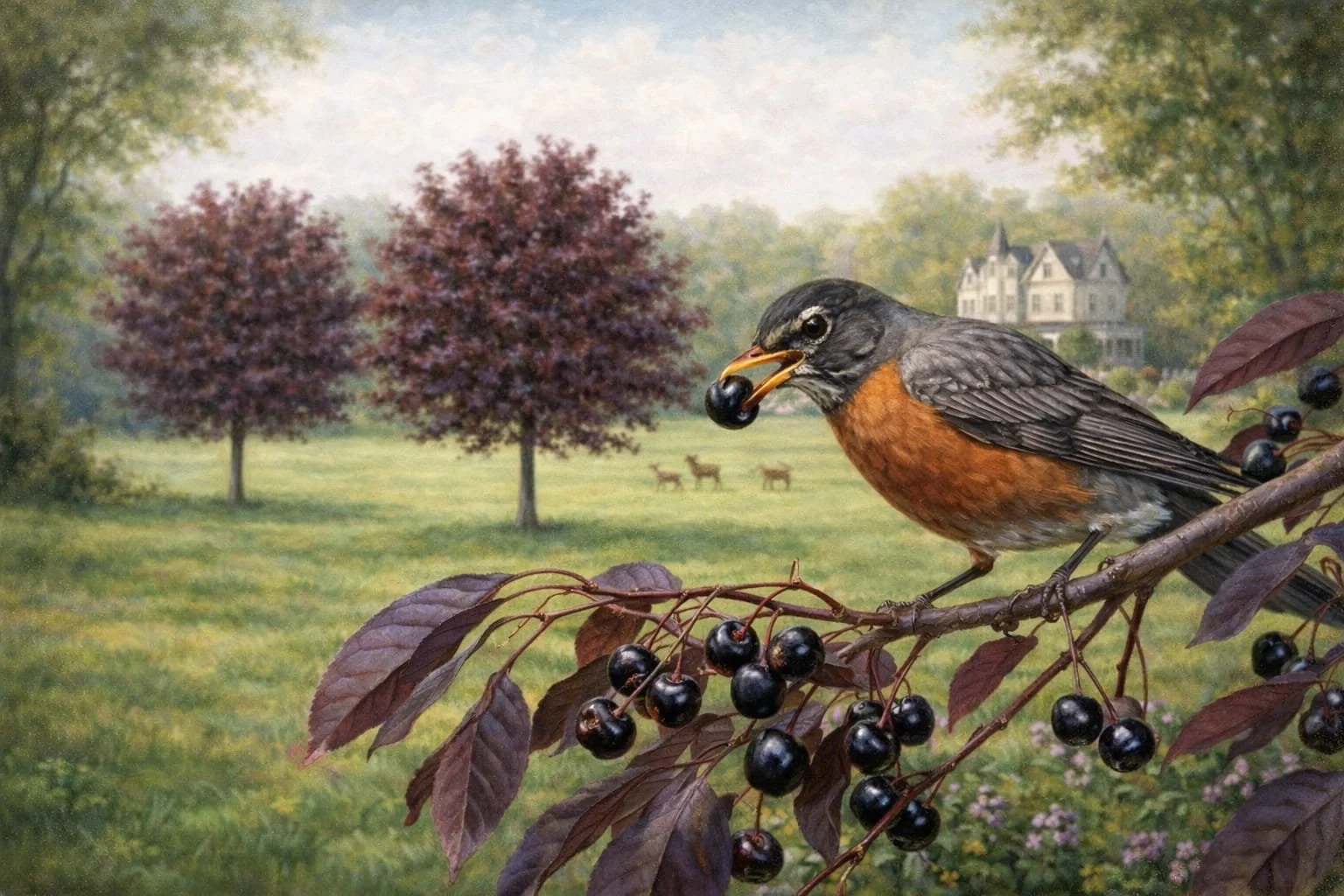
‘Canada Red’ Chokecherry (Prunus virginiana ‘Canada Red’) is a striking native tree prized for its dramatic foliage color, fragrant spring flowers, and strong wildlife value. A cultivated form of the native chokecherry, ‘Canada Red’ performs beautifully in Hudson Valley and New York landscapes, offering bold seasonal interest and adaptability in both ornamental and naturalistic plantings.
In spring, ‘Canada Red’ produces cascading clusters of fragrant white flowers that attract native pollinators. Fresh green foliage emerges shortly after bloom and quickly matures to deep burgundy and rich purple tones, creating a standout presence through summer. In late summer, small dark cherries develop, providing an important food source for birds and wildlife. The smooth bark and upright branching add year-round structure to the landscape.
Well suited to Hudson Valley residential landscapes, ‘Canada Red’ Chokecherry thrives in full sun to part shade and adapts to a wide range of soils, including clay and moderately dry sites. It works beautifully as a specimen tree, in hedgerows, windbreaks, and native plantings where color contrast and ecological function are priorities. Its toughness, fast growth, and four-season appeal make it a cornerstone tree for native-forward and wildlife-friendly landscape designs.
Plants Should Be Protected From Deer:
This tree should be protected from deer while young to prevent browsing and buck rub. In low to moderate deer pressure areas, applying deer spray monthly is typically effective. Fencing or tree tubes are recommended during establishment; once branches are above 5 feet, fencing is generally no longer required.
Colorful foliage *host plant *berries
Availability: 8
Eastern Redbud (Cercis canadensis) is a beloved native understory tree known for its early spring flowers, heart-shaped leaves, and adaptability to a wide range of garden and landscape settings. Native to eastern North America, redbud is a foundational small tree for Hudson Valley and Northeast gardens, equally at home in woodland edges, naturalistic plantings, and more formal residential landscapes.
In early spring, before the leaves emerge, Eastern Redbud produces a profusion of soft pink to rose-purple flowers that line the bare branches and trunk, creating one of the most recognizable and uplifting displays of the season. As spring progresses, fresh green, heart-shaped foliage unfurls, casting light shade through summer and contributing a graceful, layered canopy. In fall, leaves often turn warm shades of yellow before dropping to reveal the tree’s attractive branching structure.
Ecologically valuable and visually refined, Cercis canadensis supports early-season pollinators and provides structure and seasonal rhythm to native garden designs. Its modest size makes it an ideal choice for residential landscapes where a flowering tree is desired without overwhelming scale.
Plants Should Be Protected From Deer:
This plant should be fenced or grown within a fenced area to prevent deer browse. In low to moderate deer pressure areas, applying deer spray monthly is typically effective at preventing browsing. For trees with branches above 5 feet, fencing is not required; however, a tree tube is recommended while the tree is young to prevent buck rubbing in the fall.
Great fall color
Mackenzie has designed several new items for 2026 inspired by native spring flowering trees. One of his favorite species, flowering dogwood (Cornus florida), lends itself beautifully to patterned designs for apparel and dish towels.
The framed poster shown below was designed by Mackenzie Younger using AI and is available in a variety of sizes and frame options—perfect for bringing the feeling of spring indoors all year round.
Spring flowering trees inspired items
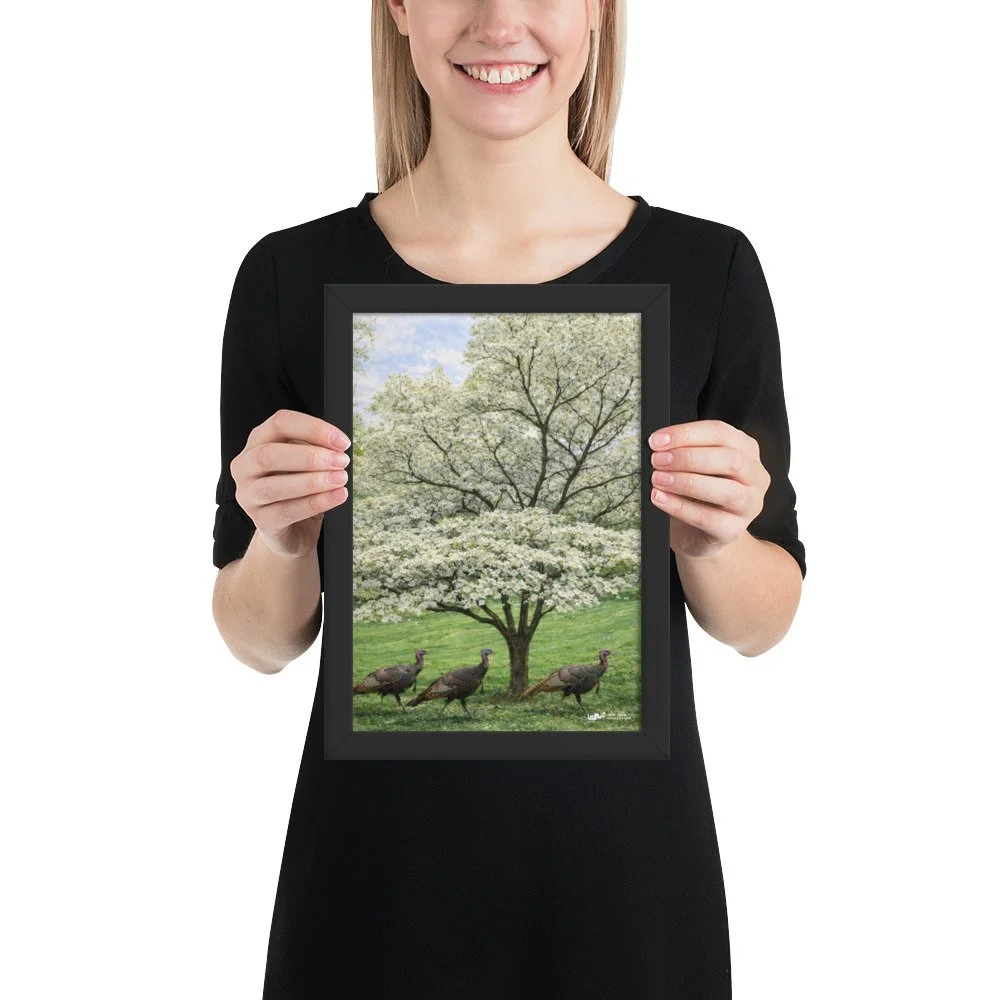
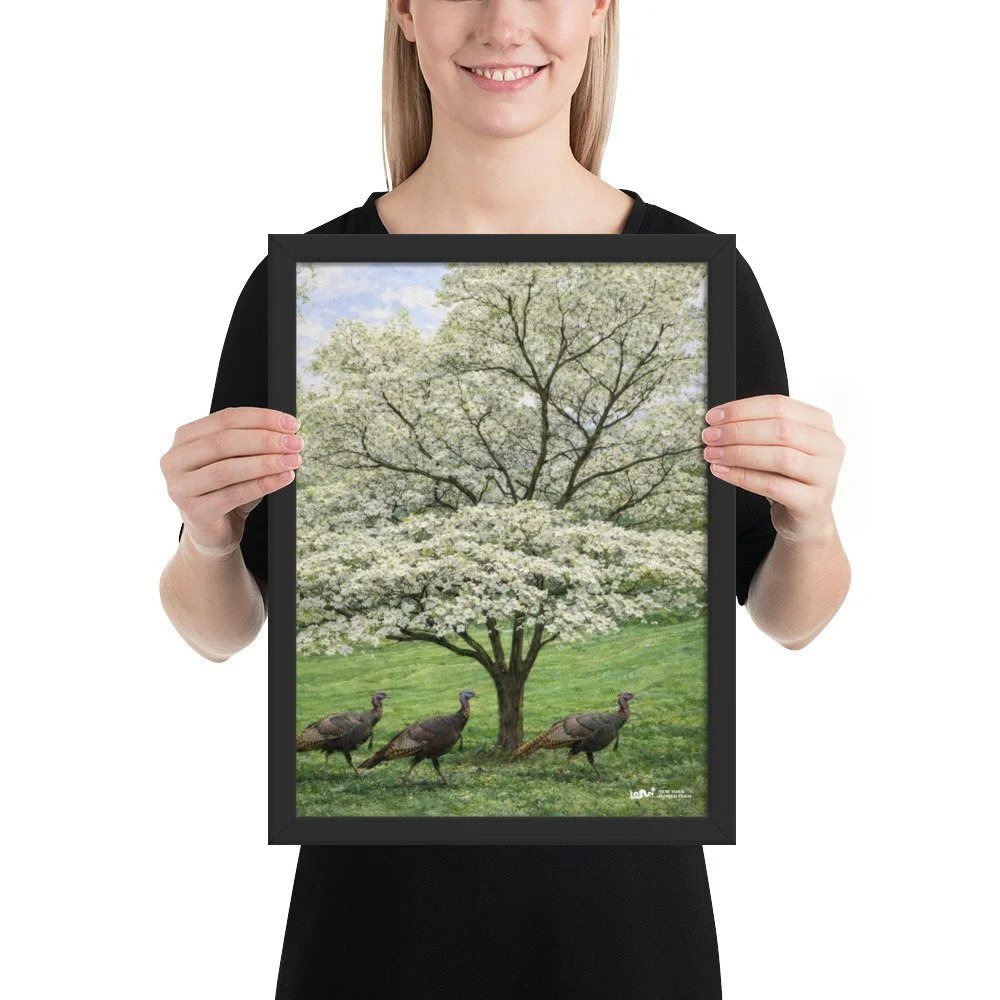
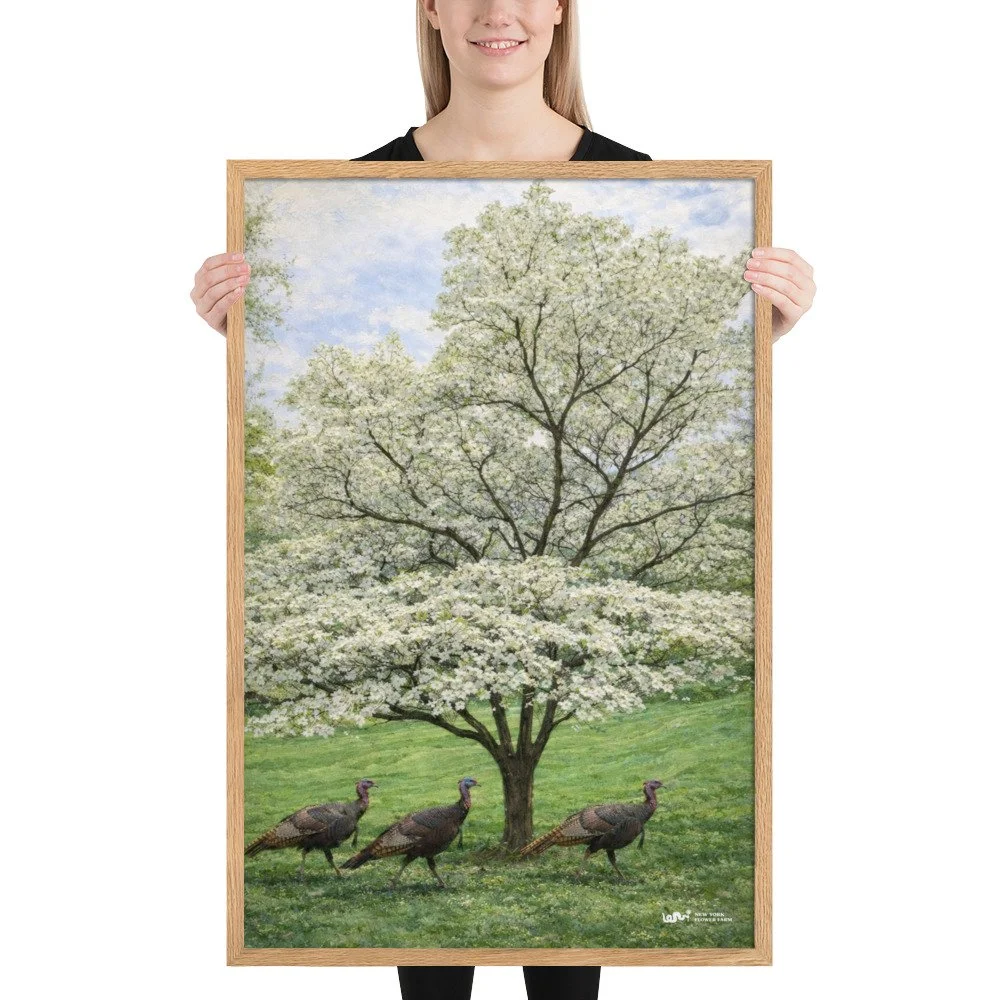
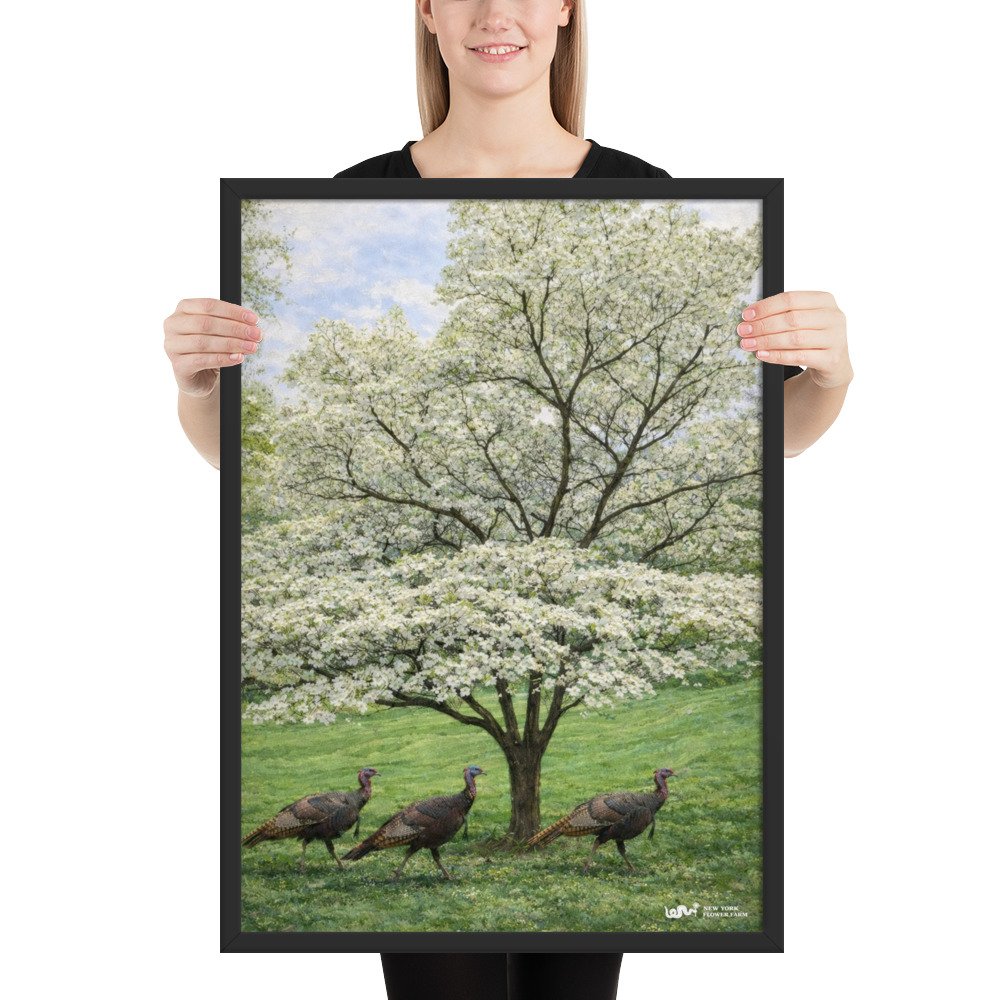
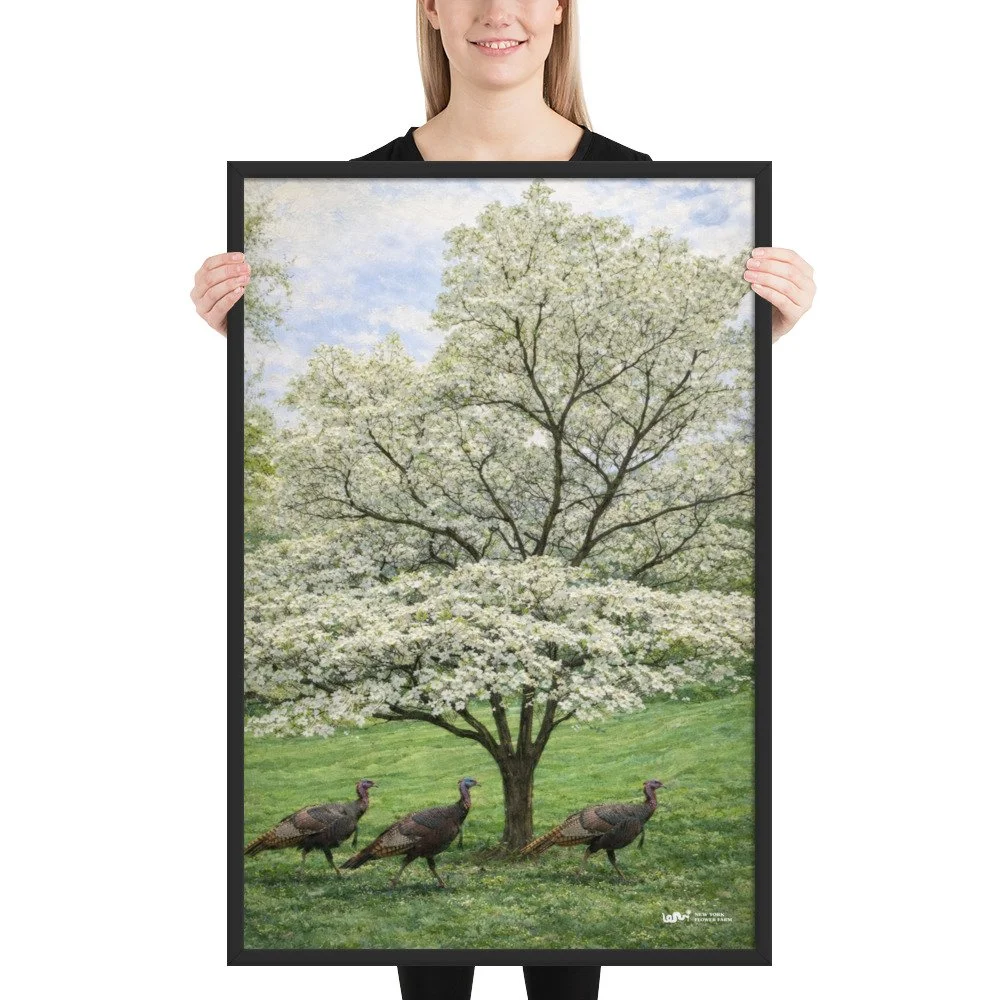
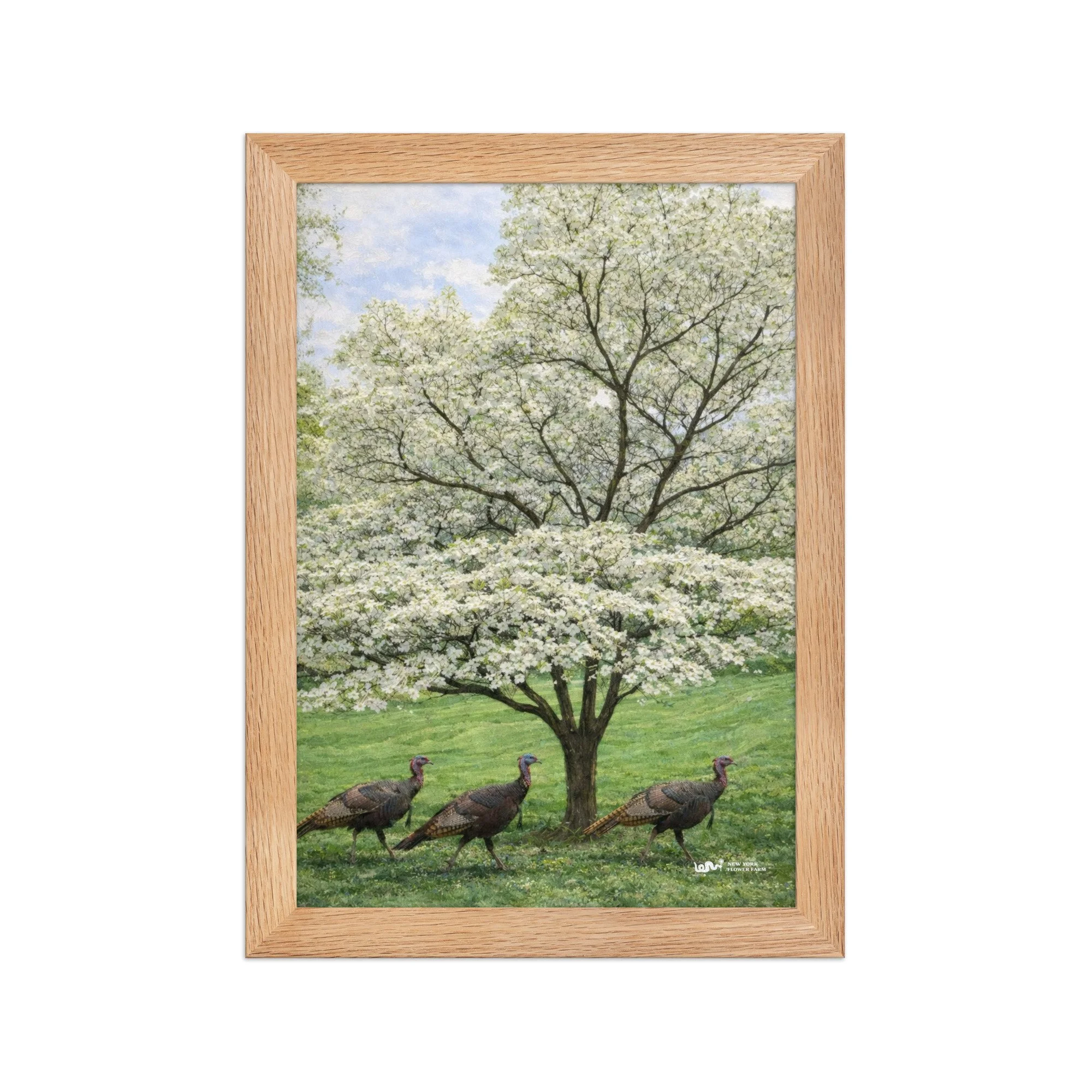
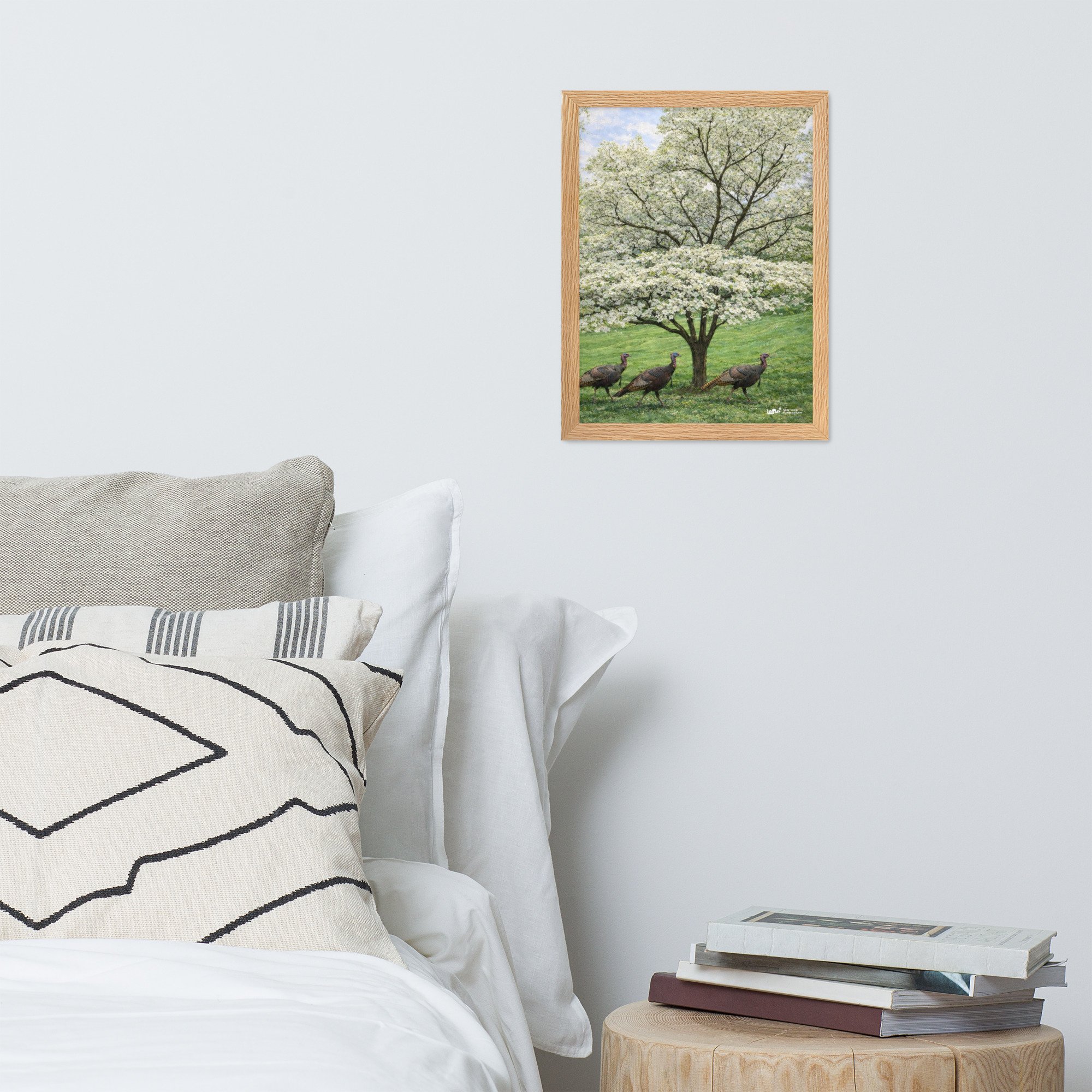
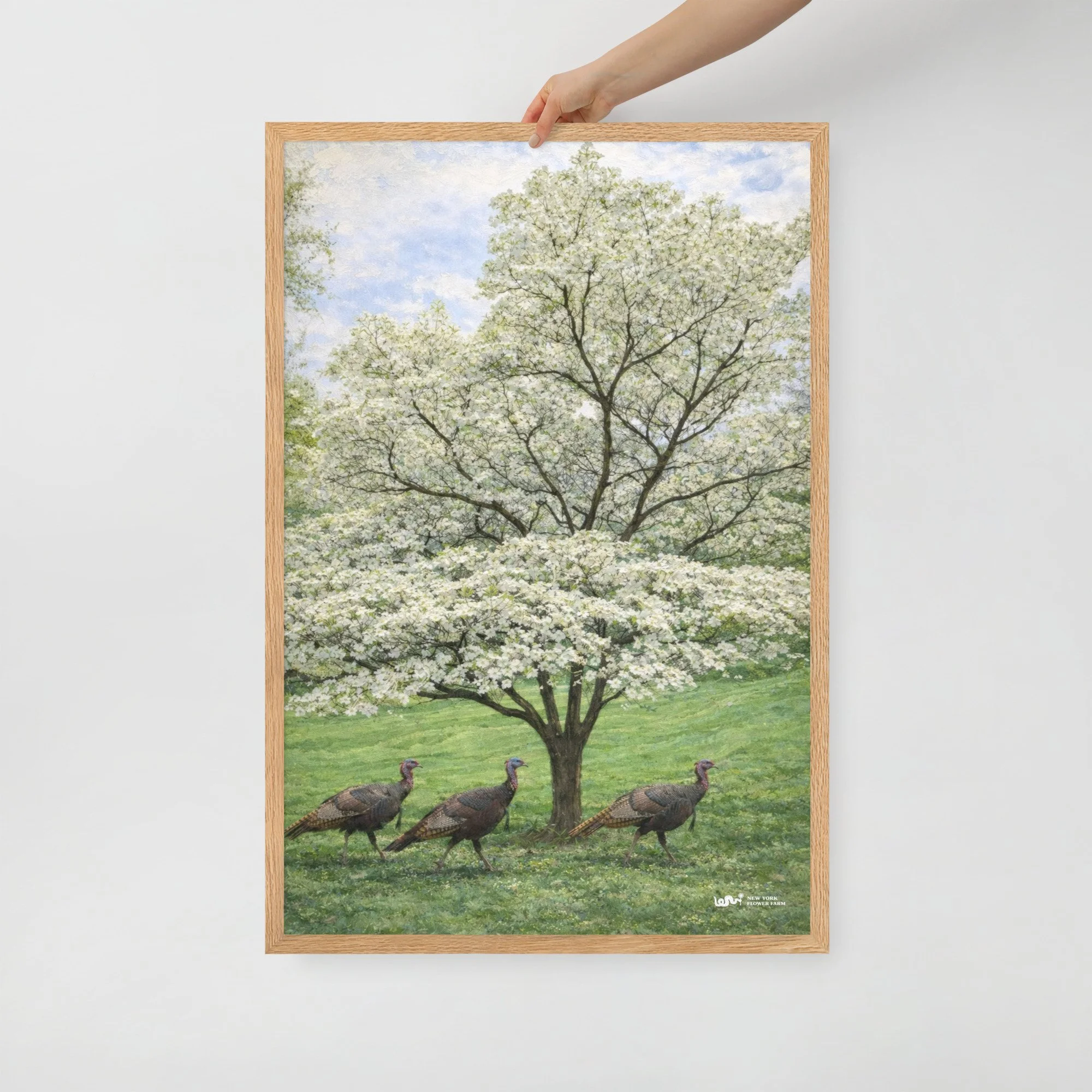
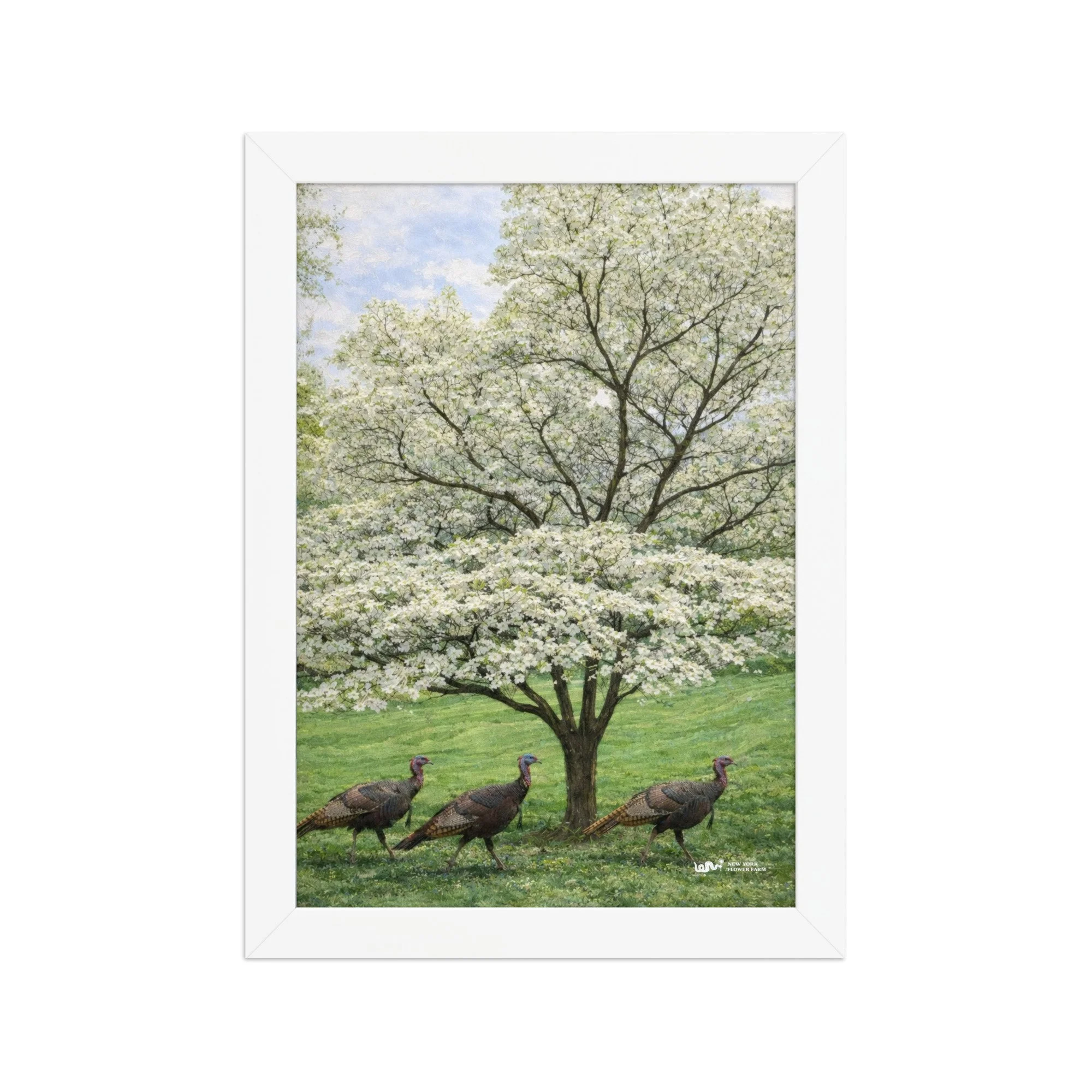
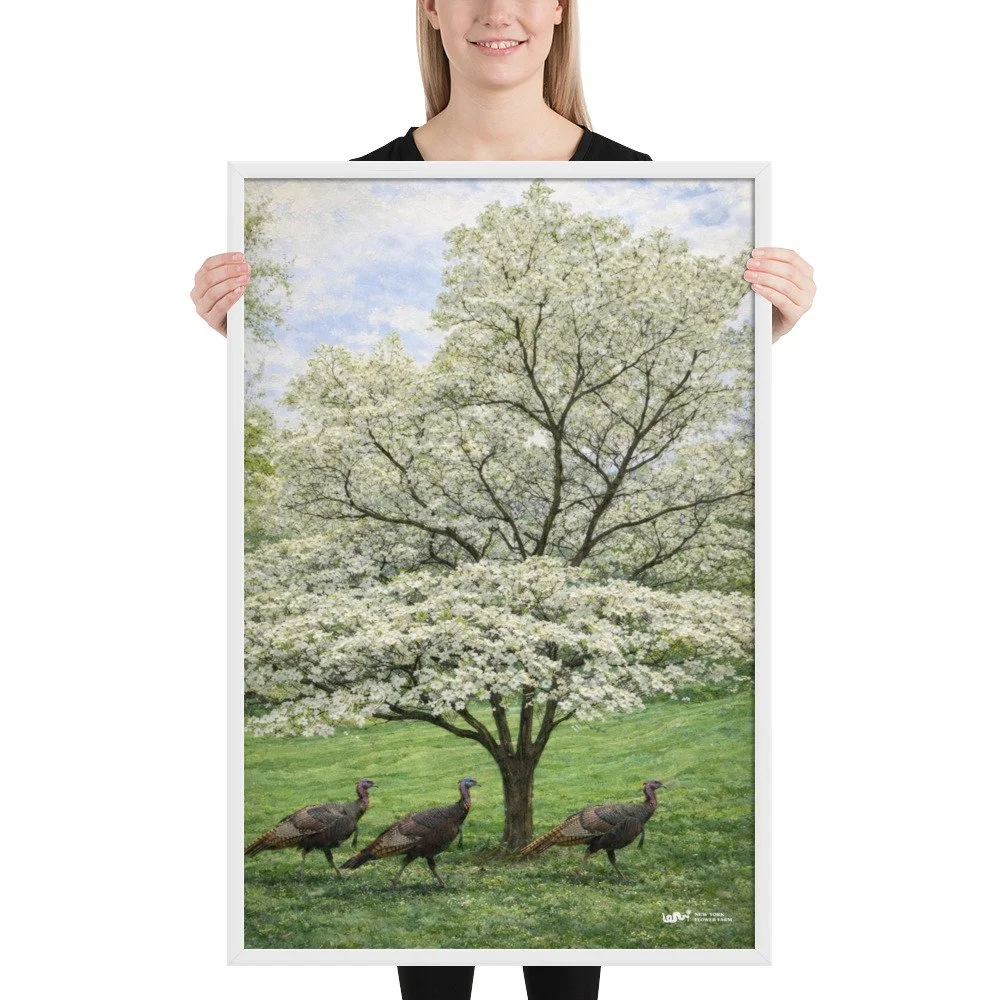
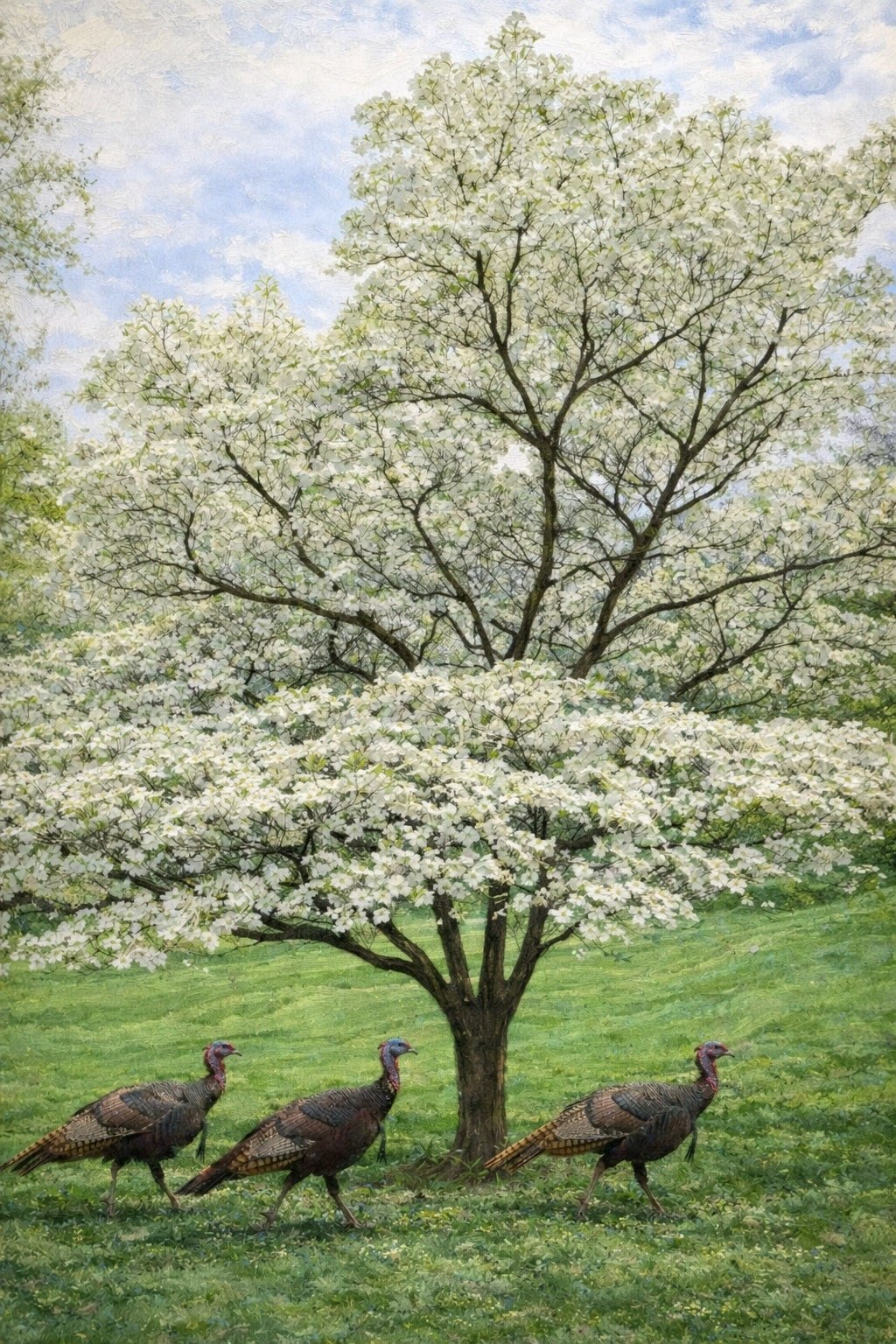
A framed matte paper poster featuring flowering dogwood (Cornus florida) paired with wild turkeys, celebrating the beauty of native trees and wildlife in a shared landscape. This artwork brings a sense of season, place, and quiet movement into your space. Available in multiple sizes and frame options, it’s designed to complement a wide range of interiors—from homes and studios to offices and nature-inspired spaces.
Add a bold statement piece to any room with this framed poster. Printed on quality, thick, matte paper.
• Paper weight: 189 g/m²
• 0.26 mm (10.3 mil) thick
• Black and white frame made from semi-hardwood alder
• Oak frame made from solid oak
• Acrylite front protector
• Hanging hardware included
• 21 × 30cm posters are size A4
• Blank product components in the US sourced from Japan and the US
• Blank product components in the EU sourced from Japan and Latvia
How to attach hooks on 61 × 91 cm horizontal frames:
Place each of the mounting hooks 2.5 cm from frame corners when hanging horizontally.
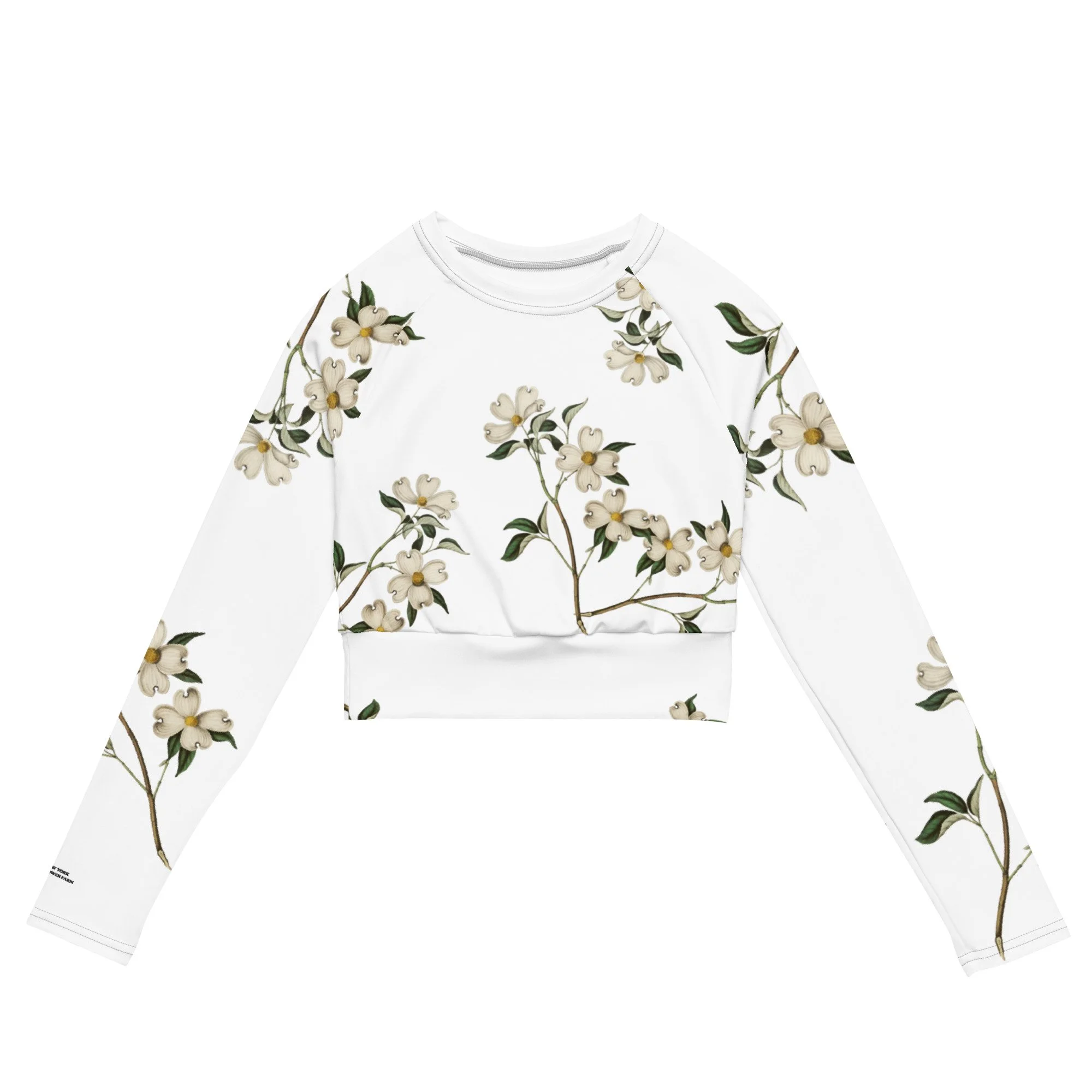
An eco-conscious long-sleeve crop top made from recycled textiles featuring a white flowering dogwood (Cornus florida) pattern, inspired by one of the most iconic native spring-flowering trees. Designed for comfort, stretch, and everyday movement, this crop top blends functional activewear with refined botanical design—perfect for workouts, walks, and casual outdoor days.
This long-sleeve crop top is made of recycled polyester and elastane, making it an eco-friendly choice for swimming, sports, or athleisure outfits. The crop top has a tear-away care label and a wide, double-layered waistline band for a comfortable fit.
• 75% recycled polyester, 25% elastane for production in the US/Mexico
• 88% recycled polyester, 12% elastane for production in Latvia
• Fabric weight: 6.64 oz./yd.² (225 g/m²) in the US/Mexico
• Fabric weight: 6.78 oz./yd.² (230 g/m²) in Latvia
• UPF 50+
• Trendy, cropped fit
• Wide, double-layered waistline band
• Raglan sleeves
• Tear-away care label
• Size up if you’re between sizes as this fabric can be tight on the body
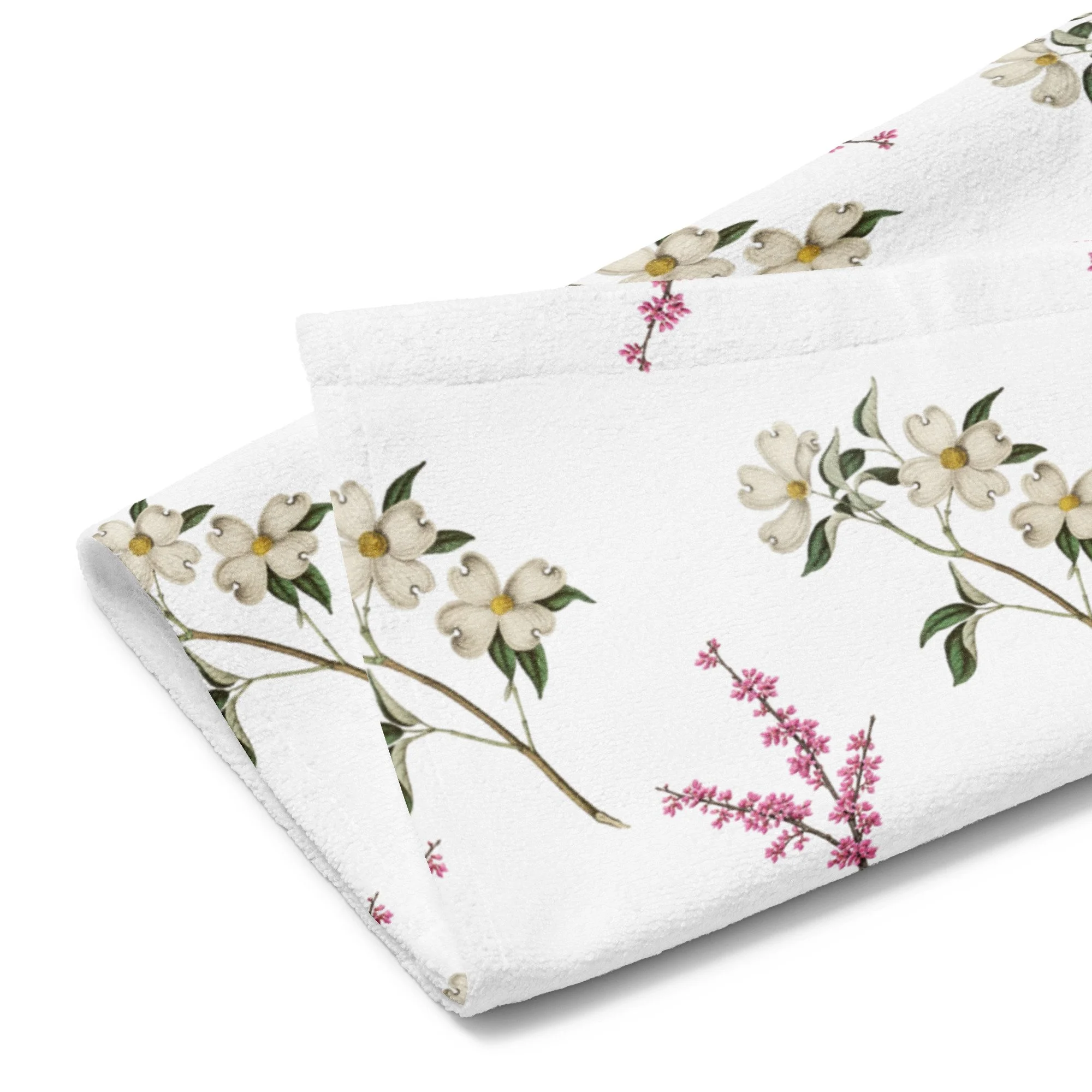
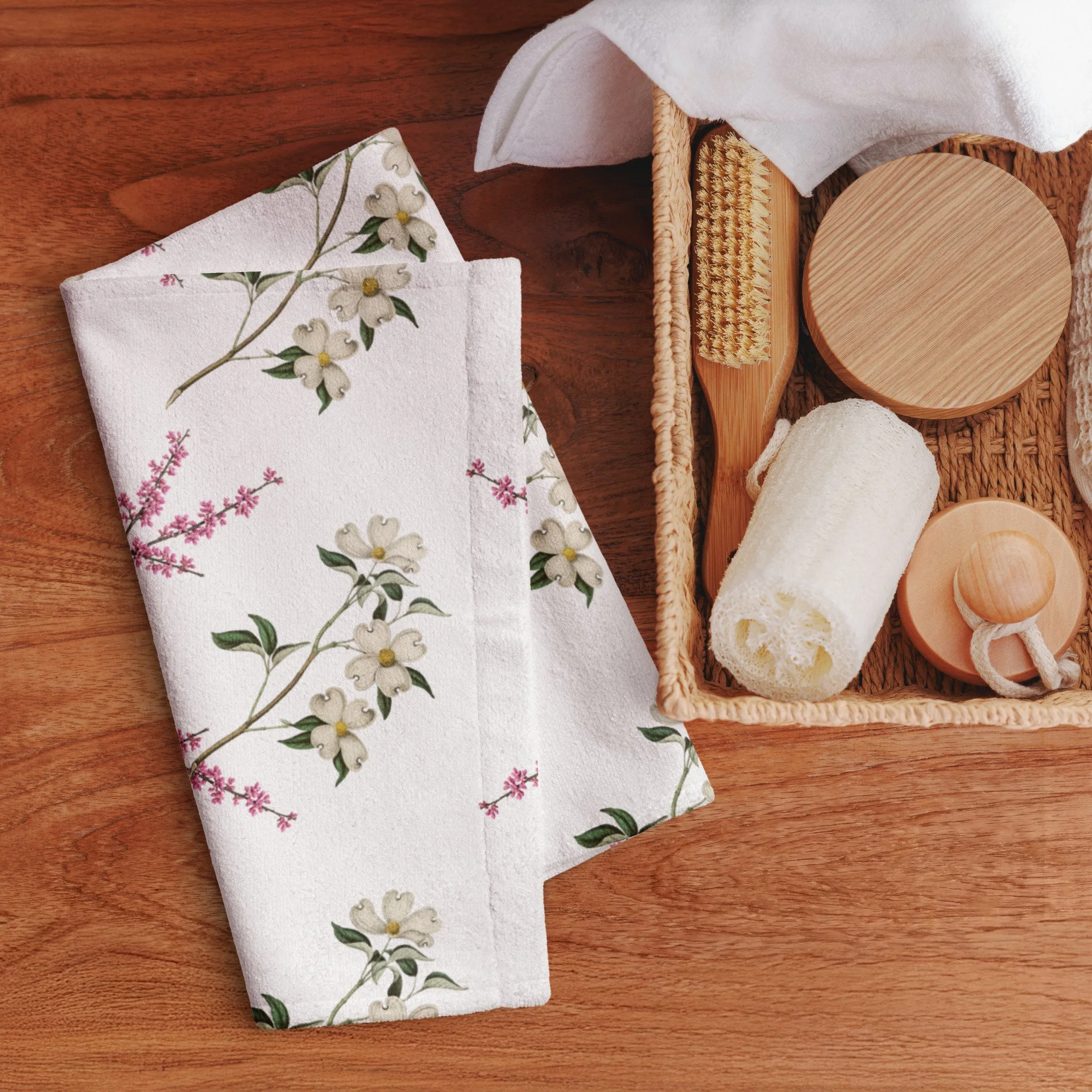
A white hand towel featuring an eastern redbud and flowering dogwood wildflower floral design, inspired by iconic native spring-flowering trees. Soft, absorbent, and made for everyday use, this towel brings subtle woodland beauty into kitchens and bathrooms—timeless, functional, and giftable.
Add a stylish touch to your bathroom with this soft and absorbent hand towel. Vibrant finish on the front, cozy cotton on the back—because details matter.
• 52% polyester, 48% cotton
• Soft polyester front and absorbent white cotton back
• Fabric weight: 14.1 oz./yd.² (400 g/m²)
• Size: 16″ × 28″ (40.6cm × 71.1 cm)
Disclaimer: Machine wash in cold water (max. 90°F / 30°C). Not suitable for bleaching, ironing, dry cleaning, or tumble drying with heat.
Spring flowering shrubs
Bloom period: April-May-June
Even while snow still lingers in the mountains, Mackenzie often recommends designing gardens with a progression of blooms—so that as one plant finishes flowering, another begins. This approach creates continuous seasonal interest and a more dynamic landscape.
The native flowering shrubs below provide color from early spring through late spring, while also adding structure, supporting pollinators, and creating valuable habitat for wildlife.
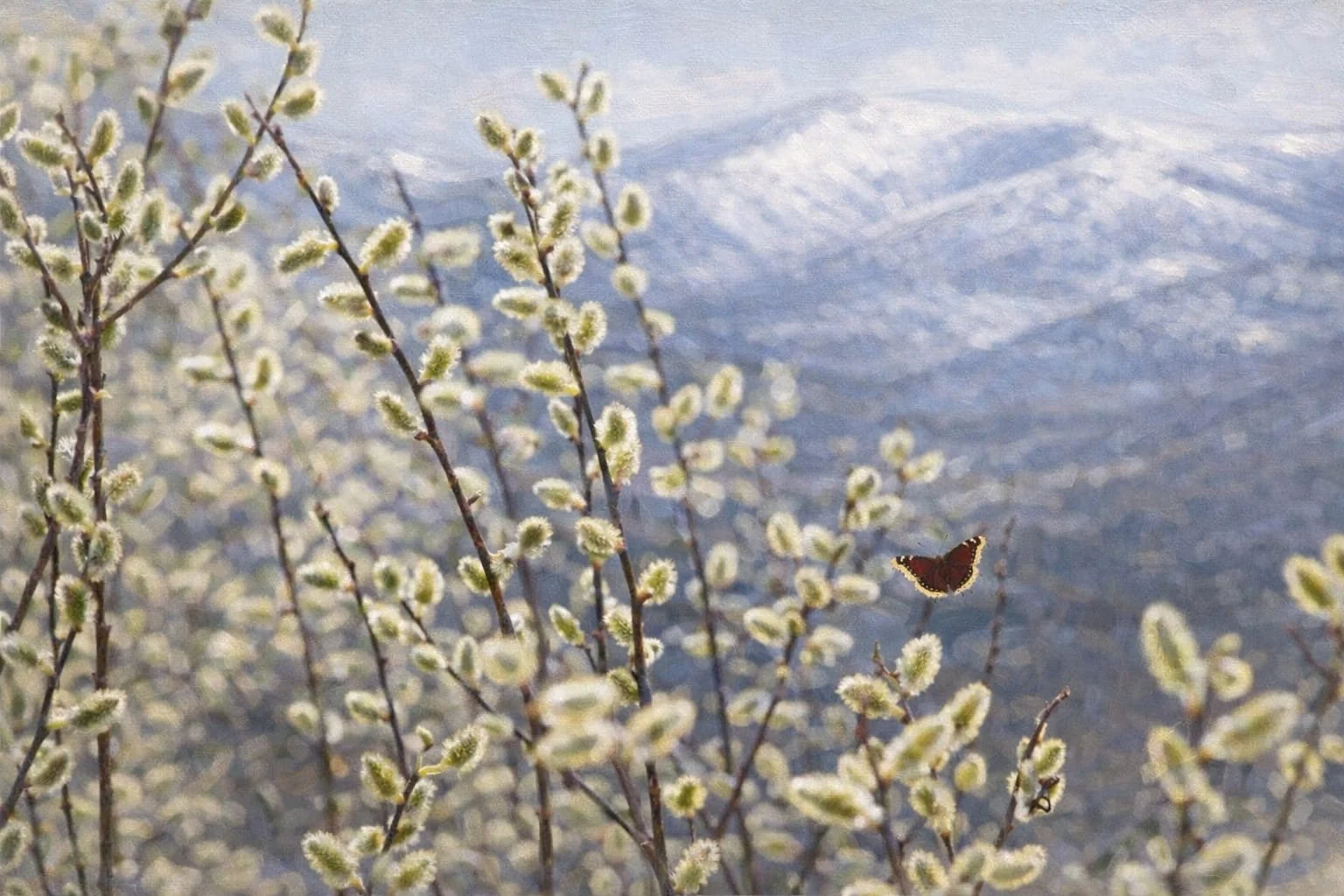
Availability: 10
Pussy Willow (Salix discolor) is a beloved native shrub or small tree valued for its soft silver catkins, early spring interest, and exceptional ecological importance. Native to eastern North America, pussy willow thrives in Hudson Valley and New York landscapes, where it signals the arrival of spring and provides critical early-season resources for pollinators.
In late winter to early spring—often before leaves emerge—Salix discolor produces iconic fuzzy gray catkins that mature to yellow as pollen is released. These catkins are an essential early nectar and pollen source for native bees and other beneficial insects at a time when few plants are in bloom. Narrow green leaves follow in spring, creating a light, airy canopy through summer.
Well suited to Hudson Valley residential landscapes, Pussy Willow thrives in full sun to part shade and prefers moist to wet soils, though it can adapt to average conditions once established. It excels along streambanks, pond edges, rain gardens, and low areas, where it also provides erosion control and wildlife habitat. Its fast growth, flexible form, and seasonal character make it a cornerstone plant for naturalistic, restoration-inspired, and native-forward landscape designs.
Plants Should Be Protected From Deer:
This shrub or tree should be protected from deer while young to prevent browsing. In low to moderate deer pressure areas, applying deer spray monthly is typically effective. Fencing or physical barriers are recommended during establishment where deer pressure is high.
First to bloom
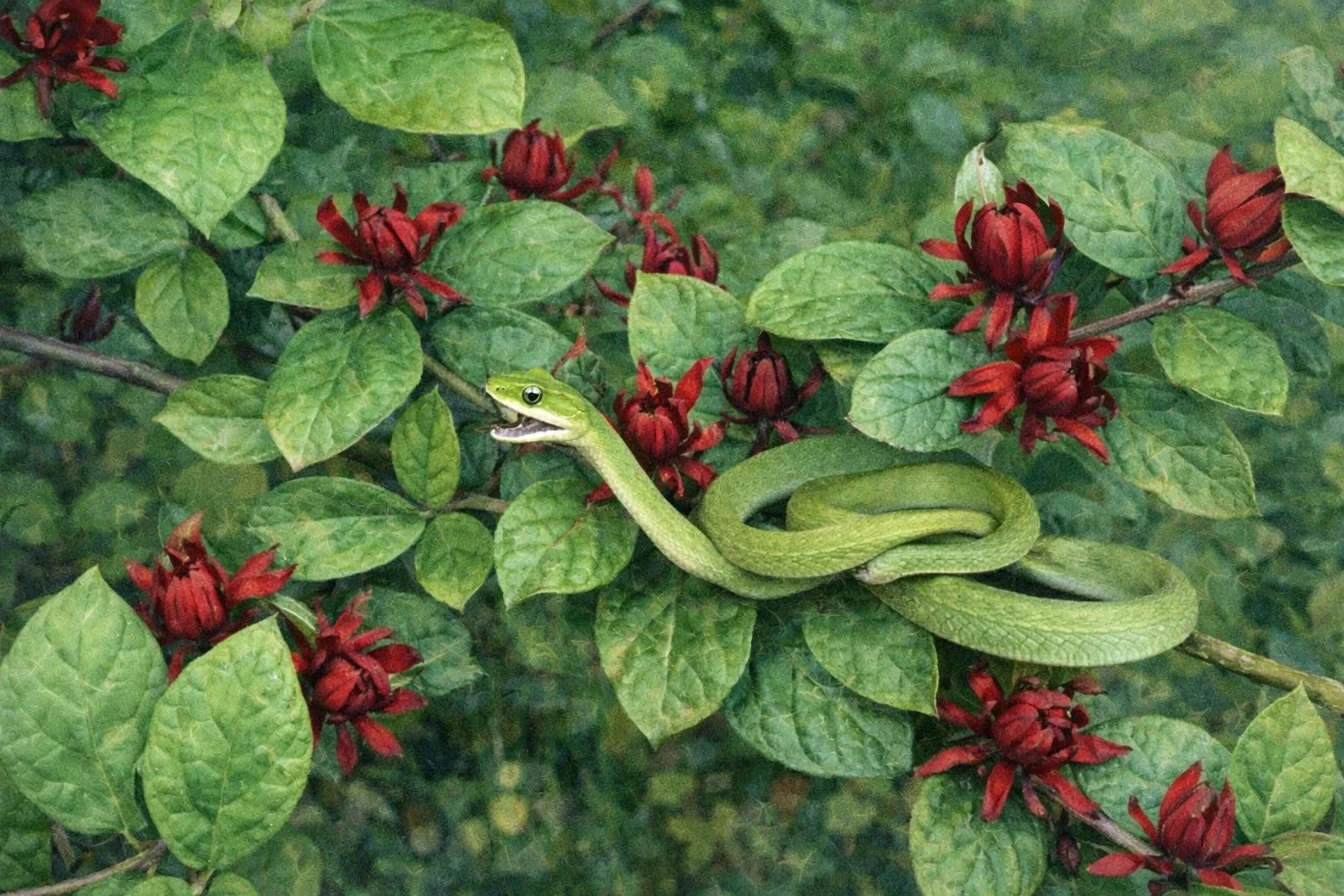
Availability: 50
Carolina Allspice (Calycanthus floridus), is a fragrant native shrub valued for its deep burgundy spring flowers, glossy foliage, and adaptability to a range of garden conditions. Native to the southeastern United States, this species performs well in Hudson Valley and New York State gardens, particularly in part shade to full sun with average to moist soils.
Blooming in mid to late spring, unusual reddish-brown flowers release a rich, spicy fragrance often compared to strawberries and cloves. Carolina Allspice brings multi-sensory appeal to New York landscapes, offering scent, structure, and seasonal interest in native shrub borders, woodland edges, and foundation plantings.
Moderate Deer Resistance
Carolina Allspice is generally avoided by deer and performs best in Hudson Valley gardens with low to moderate deer pressure.
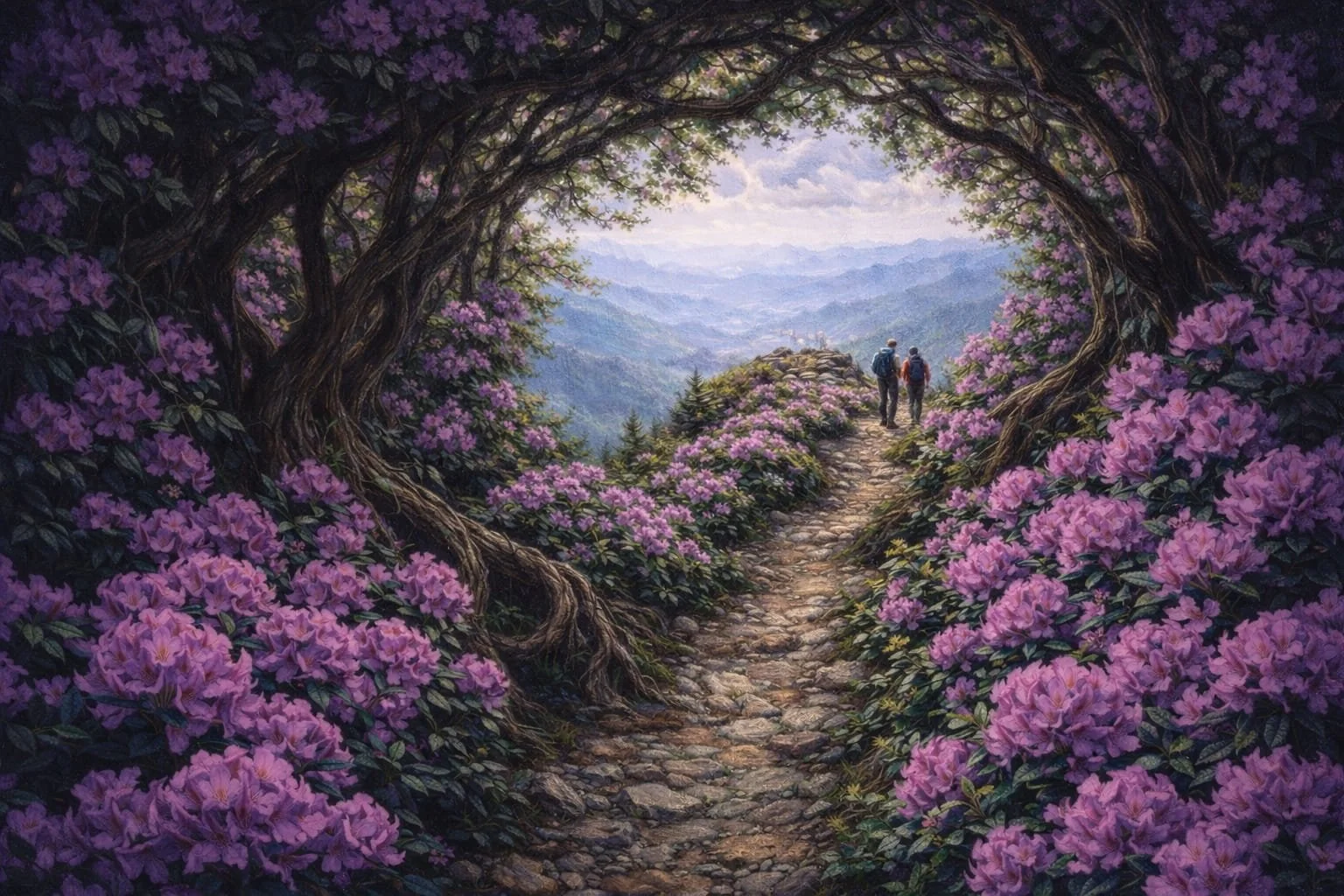
Availability: 15
‘Roseum Elegans’ Catawba Rhododendron (Rhododendron catawbiense ‘Roseum Elegans’) is a classic evergreen shrub prized for its large lavender-pink flower trusses, dense year-round foliage, and excellent cold hardiness. A longtime favorite in northeastern landscapes, ‘Roseum Elegans’ performs reliably in Hudson Valley and New York gardens, providing structure, screening, and dramatic spring bloom.
In late spring, ‘Roseum Elegans’ produces broad, rounded clusters of soft rose-lavender flowers with subtle spotting, creating a bold floral display against dark green, leathery evergreen leaves. The blooms are attractive to native bees and other pollinators, while the foliage offers four-season presence and winter interest. Its broad, rounded habit makes it especially effective as a foundation shrub or woodland backdrop.
Well suited to Hudson Valley residential landscapes, ‘Roseum Elegans’ Catawba Rhododendron thrives in part shade to light shade and prefers acidic, well-drained, organically rich soils. It excels along woodland edges, beneath high tree canopies, and in mixed evergreen borders where year-round structure and spring color are desired. Its durability, classic form, and cold tolerance make it a cornerstone shrub for traditional, woodland, and native-adjacent garden designs.
Moderate Deer Resistance
Rattlesnake Master is generally avoided by deer and performs best in Hudson Valley gardens with low to moderate deer pressure.
Availability: 50
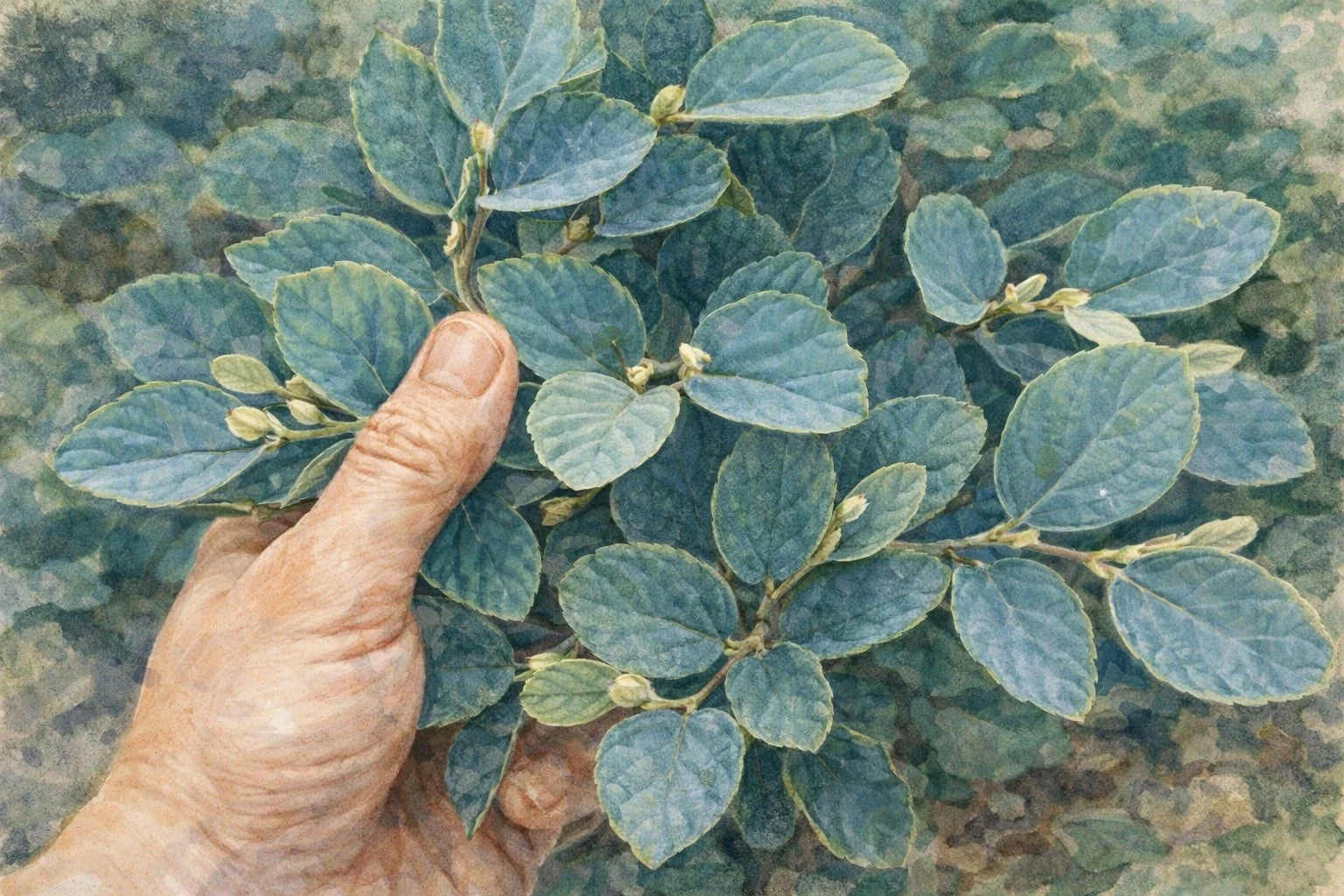
Blue Shadow Fothergilla (Fothergilla × intermedia ‘Blue Shadow’), is a standout native hybrid shrub valued for its smoky blue-green foliage, fragrant spring flowers, and exceptional multi-season interest. A cross between Fothergilla gardenii and Fothergilla major, this cultivar performs beautifully in Hudson Valley and New York State gardens, especially in part shade to full sun with acidic, well-drained soils.
Blooming in early to mid-spring, white bottlebrush flowers appear before the foliage emerges, releasing a sweet, honey-like fragrance that attracts early pollinators common to New York landscapes. The distinctive blue-toned leaves hold their color through summer before turning brilliant shades of orange, red, and purple in fall, making Blue Shadow a true four-season shrub.
Moderate Deer Resistance
Blue Shadow Fothergilla is generally avoided by deer and performs best in Hudson Valley gardens with low to moderate deer pressure.
Late spring–blooming native shrubs
Availability: 50
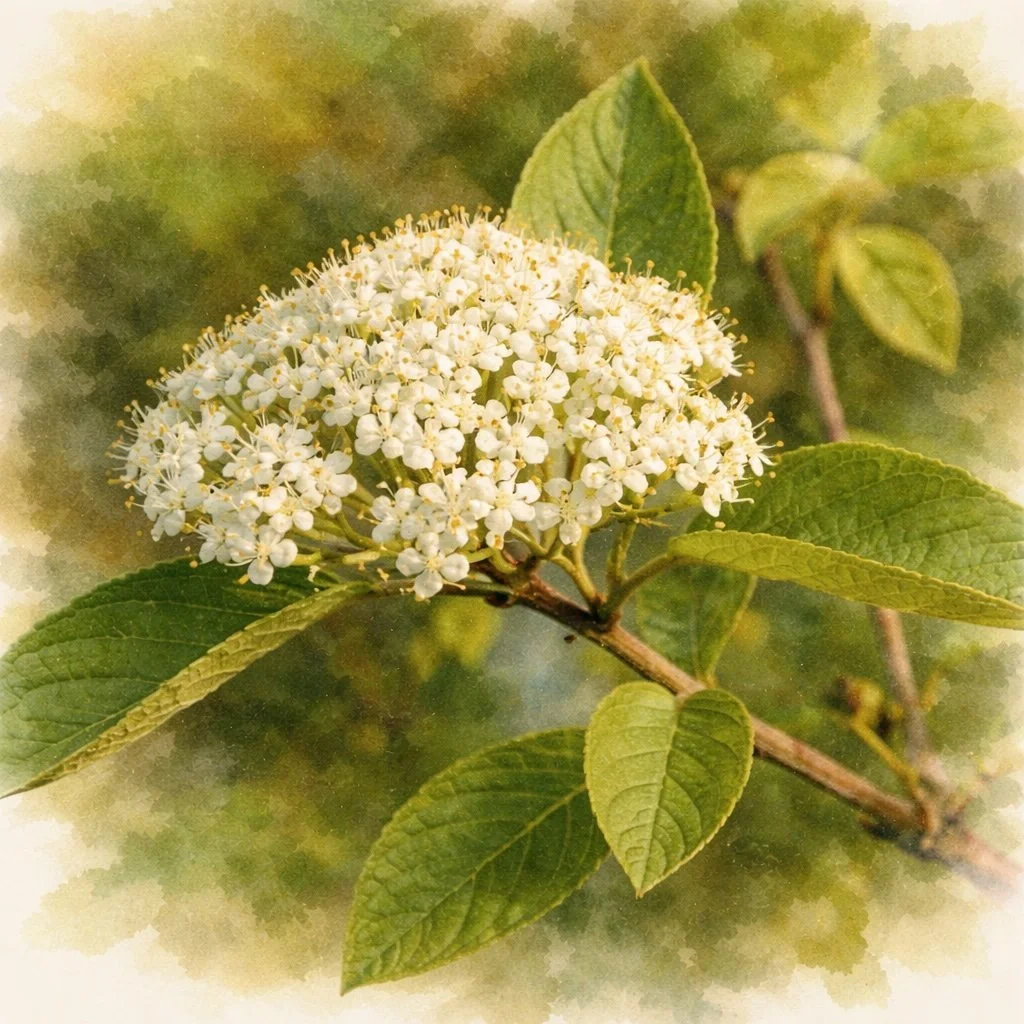
Blackhaw Viburnum (Viburnum prunifolium), is a handsome native shrub or small tree valued for its creamy white spring flowers, blue-black fruit, and outstanding fall color. Native to eastern North America, this species performs exceptionally well in Hudson Valley and New York State gardens, especially in full sun to part shade with average to well-drained soils.
Blooming in mid to late spring, flat-topped clusters of white flowers attract native pollinators common to New York landscapes. These are followed by blue-black berries in late summer that provide important food for birds and wildlife. In fall, the foliage turns rich shades of red, purple, and burgundy, giving Blackhaw Viburnum strong four-season appeal in native borders, hedgerows, and woodland edges.
Moderate Deer Resistance
Blackhaw Viburnum is generally avoided by deer and performs best in Hudson Valley gardens with low to moderate deer pressure.
Great fall color

Availability: 15
Florida Flame Azalea (Rhododendron austrinum) is a spectacular deciduous native shrub prized for its intensely fragrant spring flowers, fiery yellow-to-orange coloration, and strong wildlife value. Native to the southeastern United States, Rhododendron austrinum performs well in protected sites in Hudson Valley and New York landscapes, where it brings dramatic seasonal color and fragrance to woodland and native shrub plantings.
In mid to late spring, Florida flame azalea produces large, showy clusters of tubular flowers in glowing shades of golden yellow, apricot, and soft orange—often lightly flushed with red. The blooms are richly fragrant and highly attractive to native pollinators, especially early-season bees and butterflies. Fresh green foliage emerges after flowering and remains clean through summer, turning warm yellow tones in fall before dropping.
Well suited to Hudson Valley residential landscapes, Florida Flame Azalea thrives in part shade to light shade and prefers acidic, well-drained, organically rich soils. It excels along woodland edges, beneath open tree canopies, and in mixed native shrub borders where spring fragrance and color are celebrated. Its bold floral display, native pedigree, and pollinator value make it a standout choice for woodland-inspired and native-forward garden designs.
Plants Should Be Protected From Deer:
This plant should be fenced or grown within a fenced area to prevent deer browse. In low to moderate deer pressure areas, applying deer spray monthly is typically effective at preventing browsing. For shrubs, physical barriers or temporary fencing are recommended where deer pressure is high.
Availability: 40
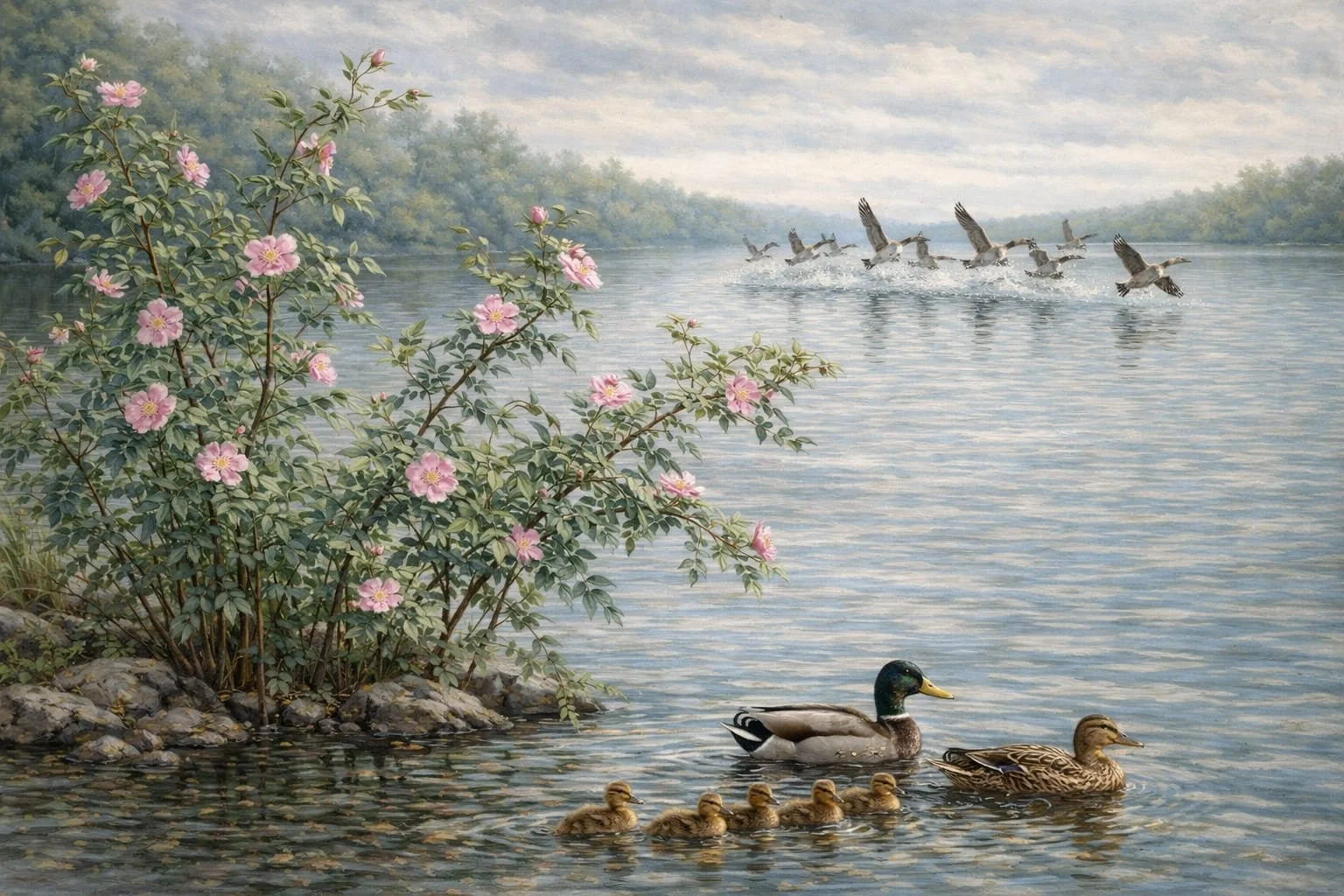
Swamp Rose (Rosa palustris) is a graceful native shrub valued for its soft pink summer flowers, glossy foliage, and exceptional wildlife value. Native to eastern North America, swamp rose performs beautifully in Hudson Valley and New York landscapes, where it brings a natural, meadow-like elegance to moist sites and ecologically rich plantings.
From early to mid-summer, Rosa palustris produces open, five-petaled pink flowers with bright yellow centers, offering a simple, wild beauty that attracts native bees, butterflies, and other pollinators. Blooms are followed by showy red rose hips in fall, providing important food for birds and wildlife while adding seasonal interest. Smooth, glossy green foliage remains attractive through the growing season and often develops subtle fall color.
Well suited to Hudson Valley residential landscapes, Swamp Rose thrives in full sun to part shade and prefers moist to wet soils, though it can adapt to average conditions once established. It excels along pond edges, in rain gardens, wet meadows, and naturalized borders, where it can form loose colonies and provide erosion control. Its native pedigree, wildlife benefits, and relaxed habit make it a cornerstone shrub for restoration-inspired and native-forward landscape designs.
Plants Should Be Protected From Deer:
This plant should be fenced or grown within a fenced area to prevent deer browse. In low to moderate deer pressure areas, applying deer spray monthly is typically effective at preventing browsing. For shrubs, physical barriers or temporary fencing are recommended where deer pressure is high.
Availability: 50
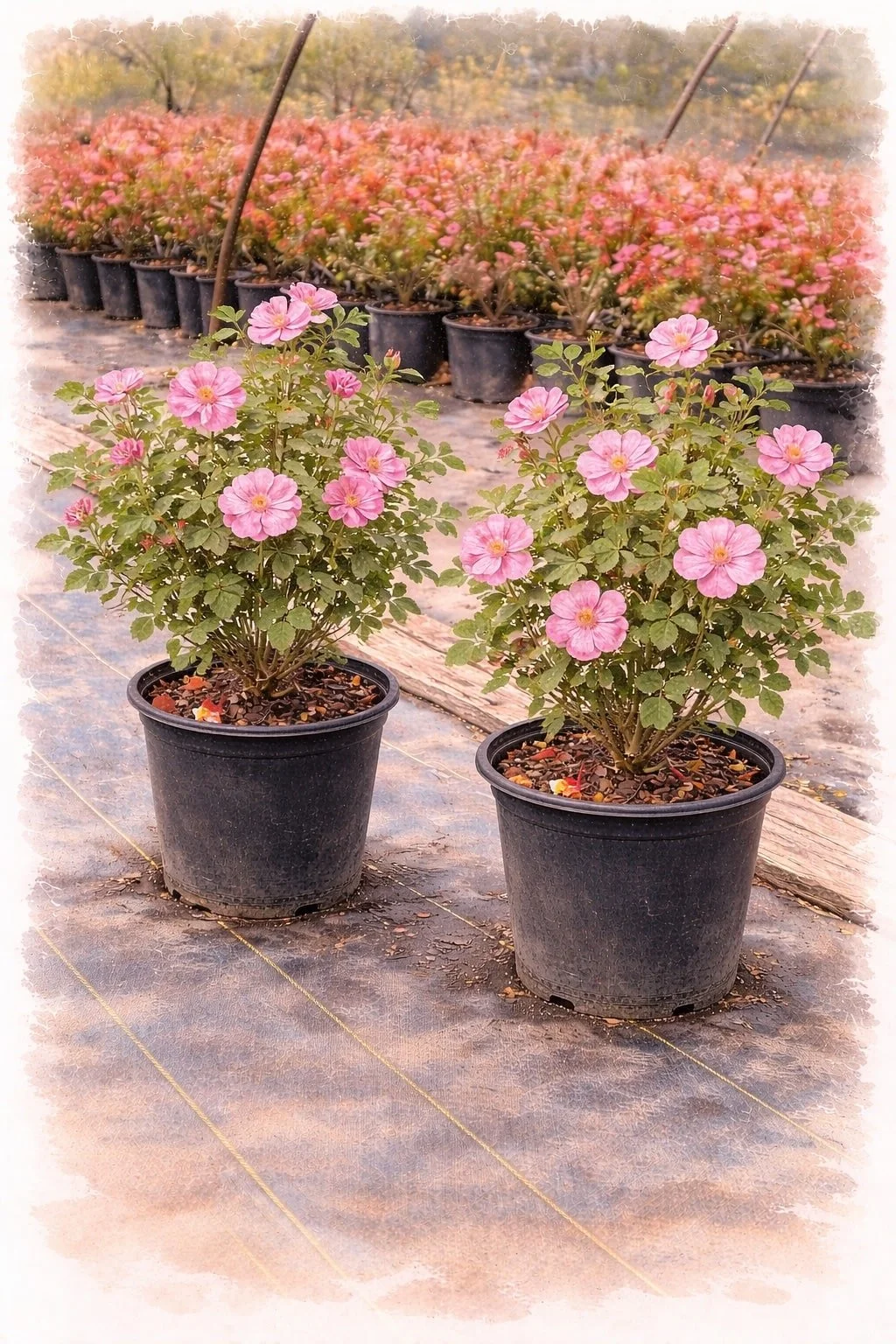
Virginia Rose (Rosa virginiana), is a resilient native shrub valued for its fragrant pink summer flowers, bright red hips, and exceptional wildlife value. Native to eastern North America, this species performs exceptionally well in Hudson Valley and New York State gardens, especially in full sun to part shade with well-drained soils.
Blooming in early to mid-summer, single pink flowers with golden centers attract native bees and other pollinators common to New York landscapes. In fall, the plant produces abundant red rose hips that persist into winter, providing food for birds and adding seasonal interest. Virginia Rose has a naturally dense, thicket-forming habit that works beautifully in native hedgerows, meadows, and naturalized plantings.
Moderate Deer Resistance
Virginia Rose is generally avoided by deer and performs best in Hudson Valley gardens with low to moderate deer pressure.
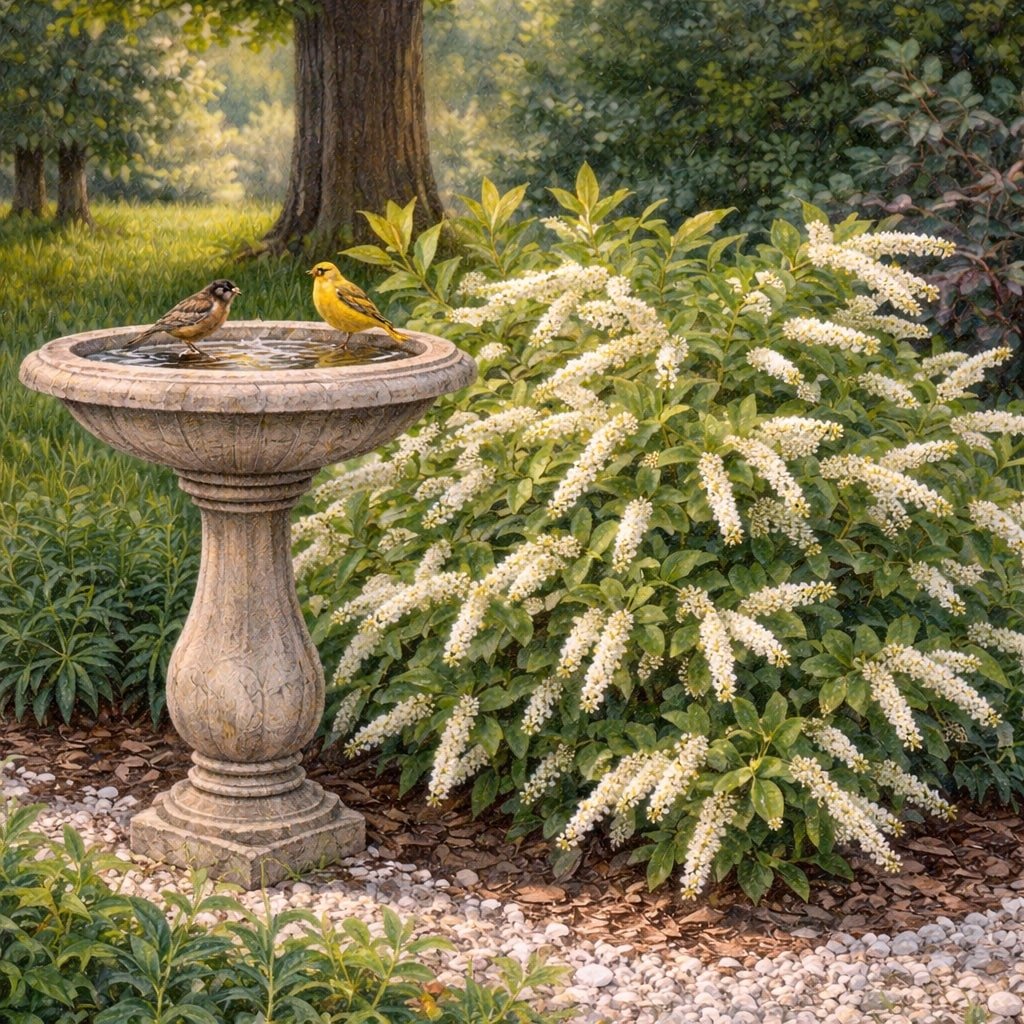
Availability: 100
Virginia Sweetspire 'Henry’s Garnet' (Itea virginica ) is a beloved native shrub valued for its fragrant white spring flowers, graceful arching habit, and exceptional fall color. Native to eastern North America, this cultivar performs beautifully in Hudson Valley and New York State gardens, particularly in part shade to full sun with moist, acidic soils.
Blooming in late spring to early summer, slender white flower racemes drape elegantly along the branches, attracting bees and other pollinators common to New York landscapes. In autumn, the foliage turns deep shades of red, burgundy, and purple, making Henry’s Garnet a standout four-season shrub for native borders, rain gardens, and woodland edges.
Moderate Deer Resistance
Henry’s Garnet Sweetspire is generally avoided by deer and performs best in Hudson Valley gardens with low to moderate deer pressure.
Early spring–blooming native shrubs
Berries birds love
Great fall color
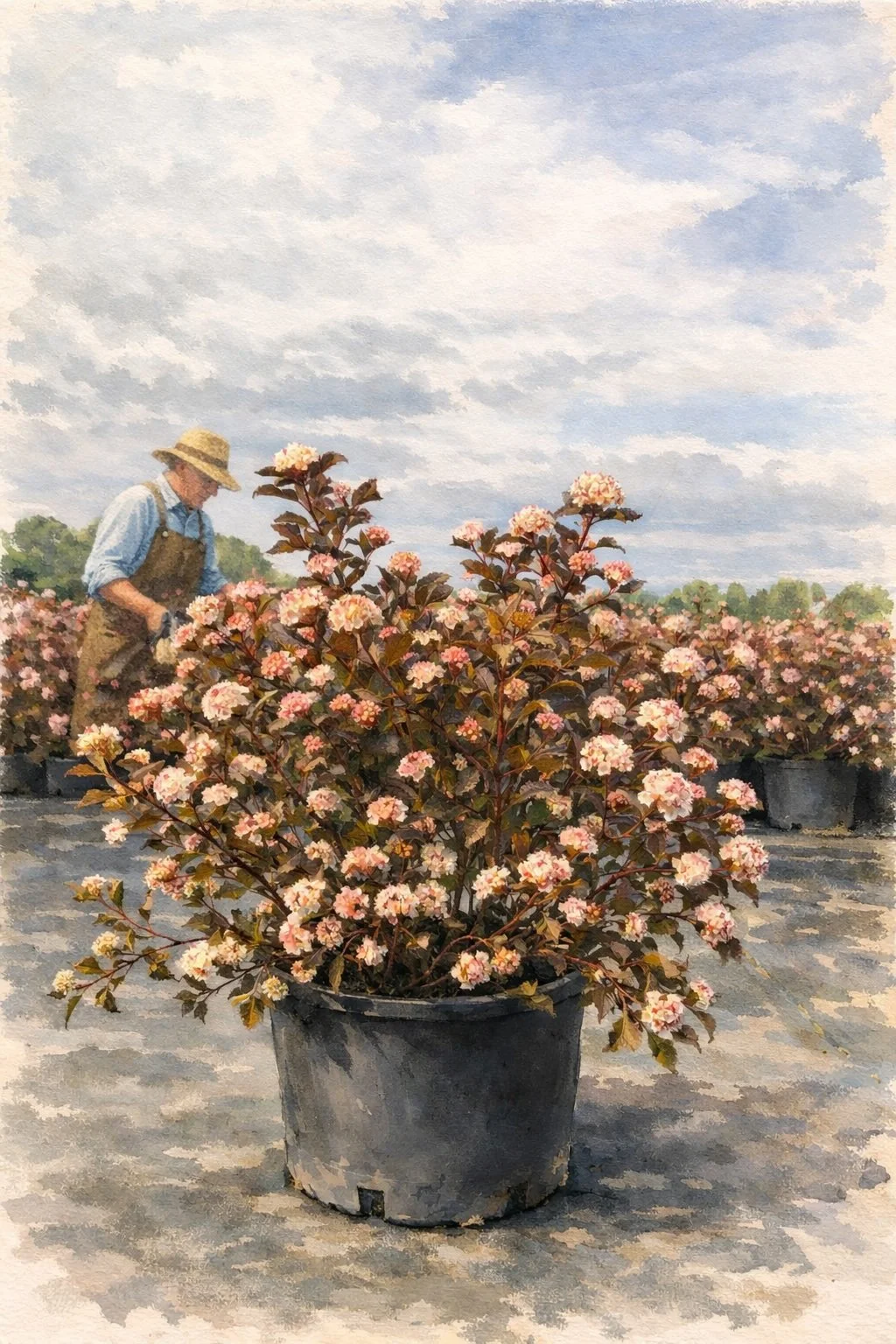
Availability: 40
Ninebark 'Summer Wine' (Physocarpus opulifolius), is a striking native shrub valued for its deep burgundy foliage, compact habit, and excellent seasonal interest. Native to eastern North America, this cultivar performs exceptionally well in Hudson Valley and New York State gardens, especially in full sun to part shade with average, well-drained soils.
Blooming in late spring to early summer, soft pink flower clusters contrast beautifully against dark foliage, attracting bees and other pollinators common to New York landscapes. As the season progresses, exfoliating bark adds texture and winter interest. Summer Wine offers bold color and reliable performance in native shrub borders, foundation plantings, and mixed hedgerows.
Moderate Deer Resistance
Summer Wine Ninebark is generally avoided by deer and performs best in Hudson Valley gardens with low to moderate deer pressure.
Spring flowering perennials
For shady gardens
Bloom period: April-May-June
First to bloom
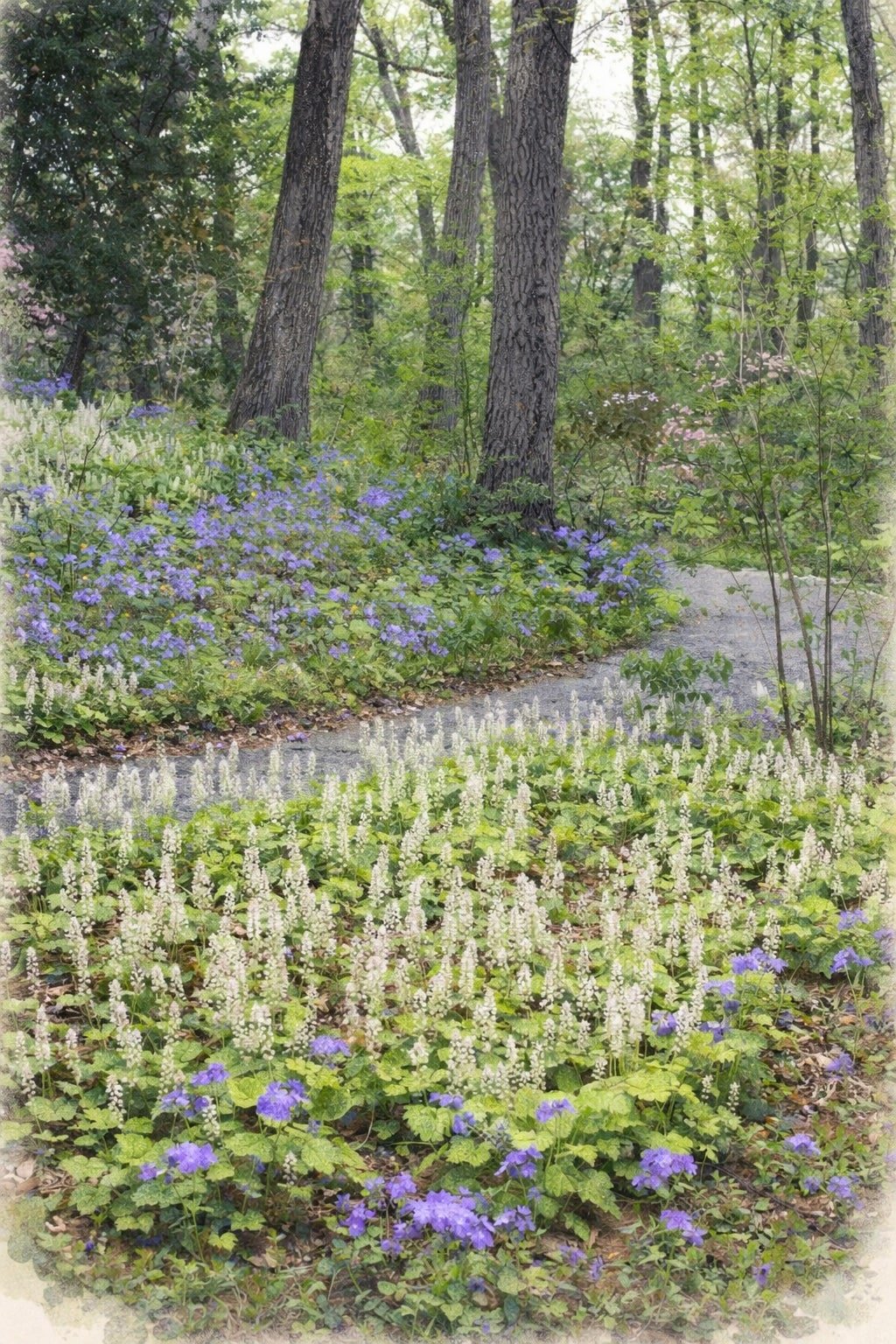
Availability: 200
Foamflower 'Running Tapestry’ (Tiarella cordifolia ), is a versatile native perennial valued for its attractive patterned foliage, spreading habit, and delicate spring flowers. Native to eastern North America, this cultivar performs beautifully in Hudson Valley and New York State gardens, particularly in part shade to full shade with moist, well-drained soils.
Blooming in mid to late spring, airy spikes of soft white flowers rise above richly veined foliage, attracting native bees and other early pollinators common to New York landscapes. Running Tapestry spreads by runners to form a dense, living groundcover, making it an excellent choice for woodland gardens, shaded borders, and naturalized understory plantings.
Moderate Deer Resistance
Running Tapestry Foamflower is generally avoided by deer and performs best in Hudson Valley gardens with low to moderate deer pressure.
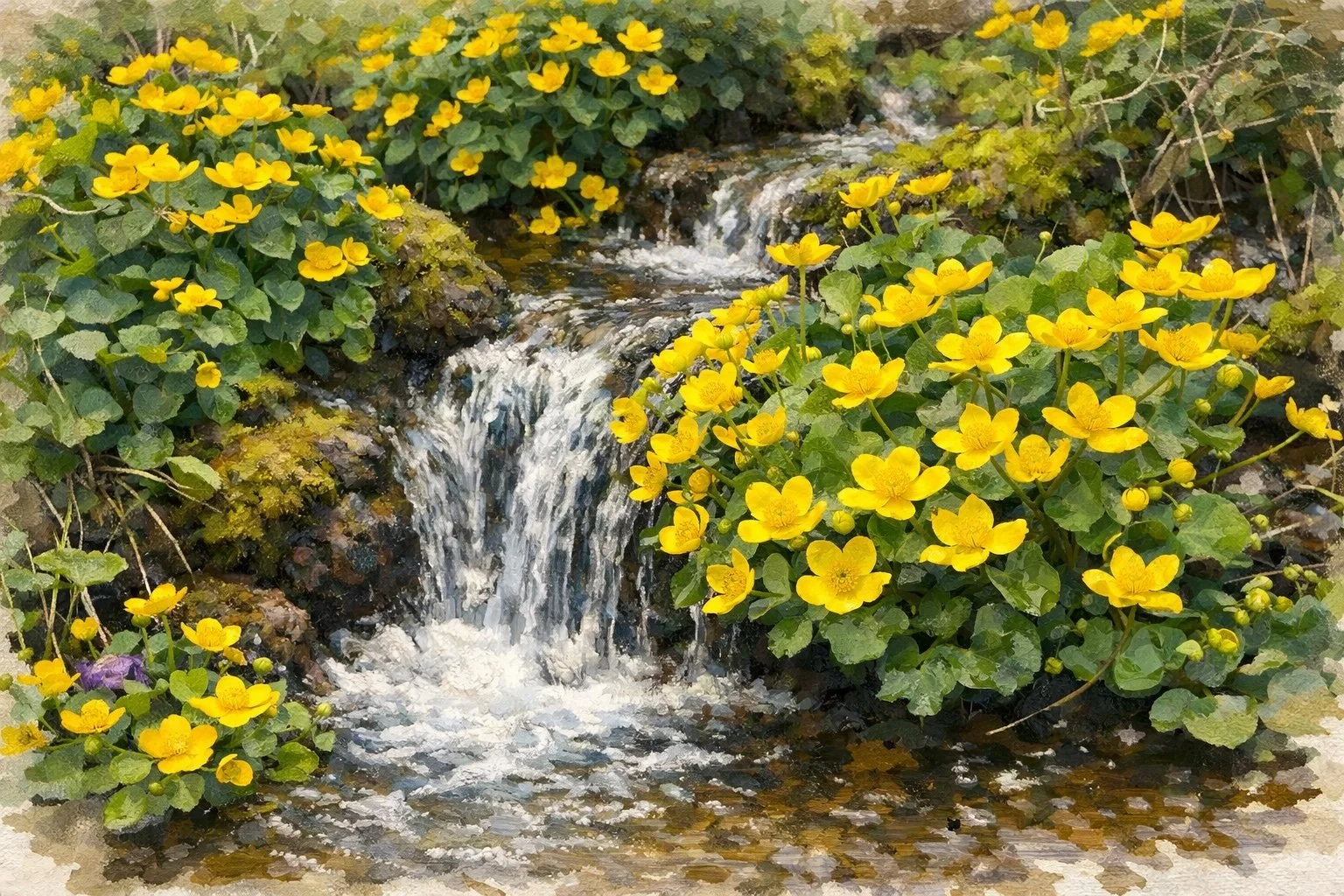
Availability: 100
Marsh Marigold (Caltha palustris), is a cheerful native perennial valued for its bright yellow spring flowers and love of wet soils. Native to much of North America, this early-blooming plant thrives in Hudson Valley and New York State gardens, especially in consistently moist sites such as rain gardens, pond edges, and stream banks.
One of the first to bloom in early spring, glossy golden flowers appear above rich green foliage, providing one of the first nectar sources for emerging pollinators in New York landscapes. Marsh Marigold brings bold color and a classic woodland-wetland feel to naturalized plantings and moisture-loving garden areas.
Moderate Deer Resistance
Marsh Marigold is generally avoided by deer and performs best in Hudson Valley gardens with low to moderate deer pressure.
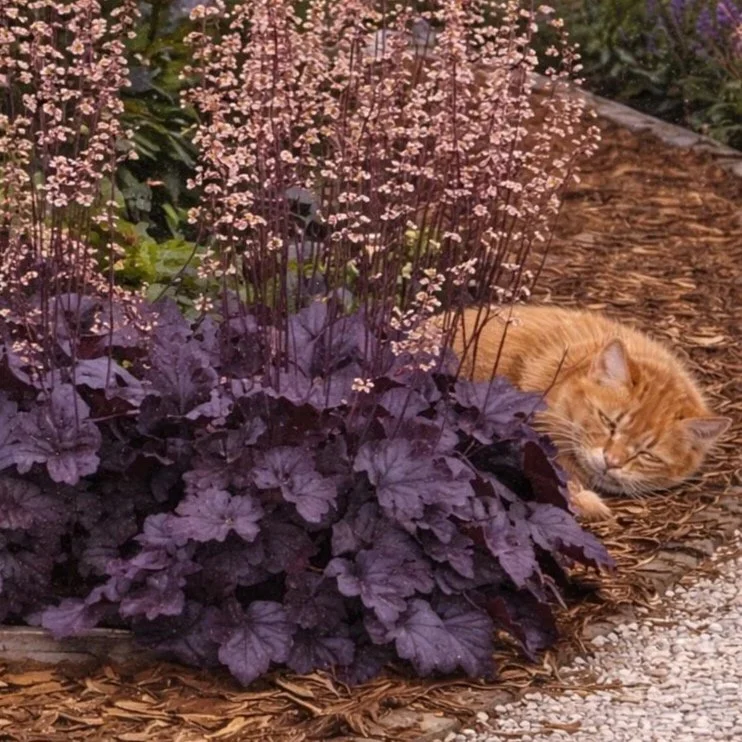
Availability: 50
‘Palace Purple’ Alumroot (Heuchera micrantha ‘Palace Purple’) is an iconic perennial prized for its deep burgundy-purple foliage, refined form, and dependable performance in shaded gardens. A longtime garden classic, ‘Palace Purple’ performs beautifully in Hudson Valley and New York landscapes, where it provides rich color contrast and season-long interest in woodland and part-shade plantings.
From late spring into early summer, airy flower stalks rise above the foliage bearing delicate clusters of small, creamy white flowers. While subtle, the blooms attract native bees and other early-season pollinators. The glossy, scalloped leaves maintain their intense purple coloration through much of the growing season, often deepening to near-black tones in cooler weather.
Well suited to Hudson Valley residential landscapes, ‘Palace Purple’ Alumroot thrives in part shade to light shade and prefers average, well-drained soils. It excels along woodland edges, beneath deciduous trees, and in mixed shade borders, where its dramatic foliage pairs beautifully with ferns, sedges, and lighter-toned perennials. Its durability, classic form, and bold color make it a cornerstone plant for native-adjacent and ornamental shade gardens alike.
Plants Should Be Protected From Deer:
This plant should be fenced or grown within a fenced area to prevent deer browse. In low to moderate deer pressure areas, applying deer spray monthly is typically effective at preventing browsing. For trees with branches above 5 feet, fencing is not required; however, a tree tube is recommended while the tree is young to prevent buck rubbing in the fall.
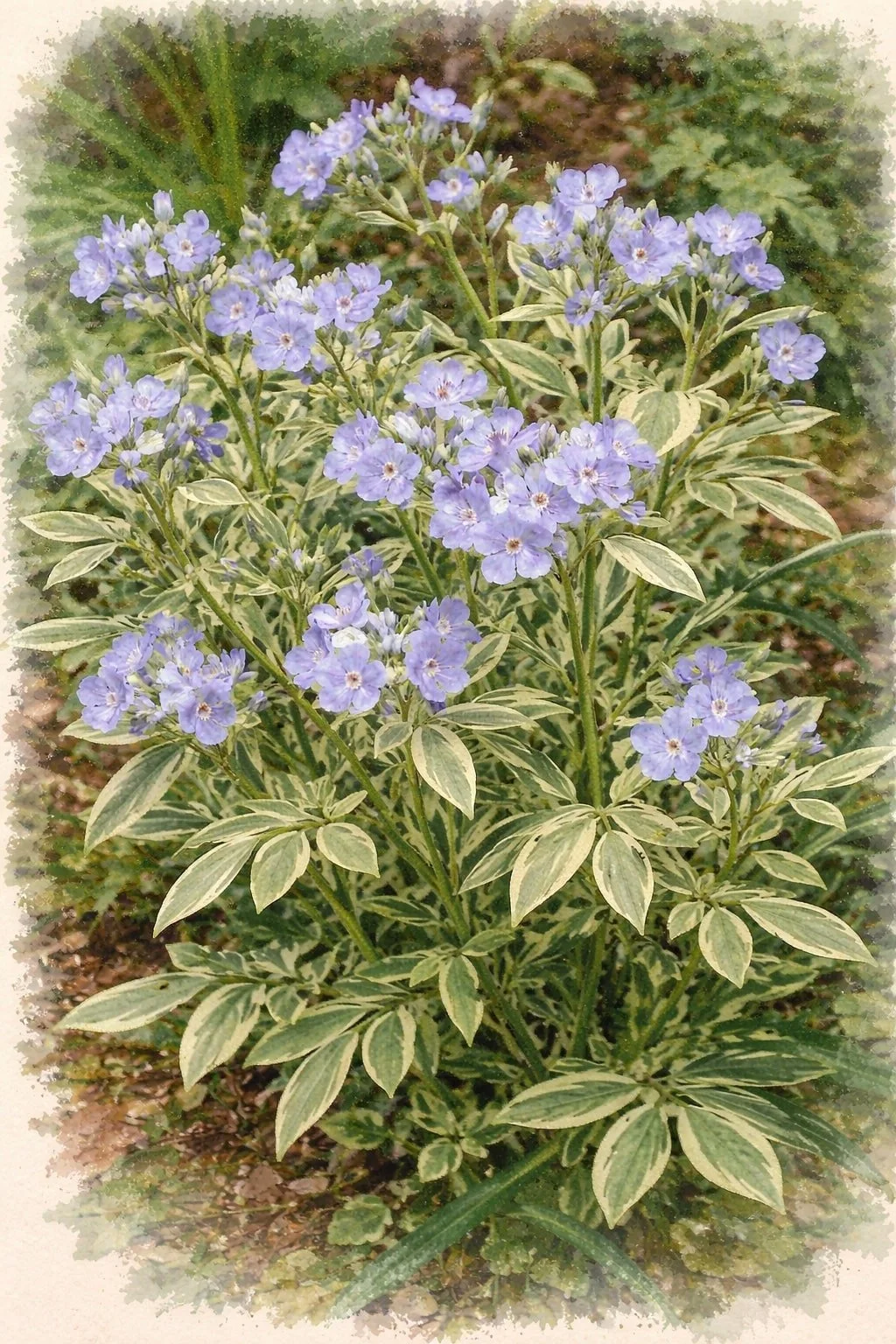
Availability: 50
Jacob’s Ladder ‘Stairway to Heaven’ (Polemonium reptans), is a refined native perennial valued for its creamy white–edged variegated foliage, soft blue spring flowers, and shade tolerance. Native to eastern North America, this cultivar performs beautifully in Hudson Valley and New York State gardens, especially in part shade to full shade with moist, well-drained soils.
Blooming in mid to late spring, clusters of pale blue, bell-shaped flowers rise above the variegated foliage, attracting early pollinators common to New York landscapes. As the season progresses, the foliage often takes on pink and cream tones, adding multi-season interest. Stairway to Heaven brings brightness and elegance to woodland gardens, shaded borders, and native plantings.
Moderate Deer Resistance
Stairway to Heaven Jacob’s Ladder is generally avoided by deer and performs best in Hudson Valley gardens with low to moderate deer pressure.
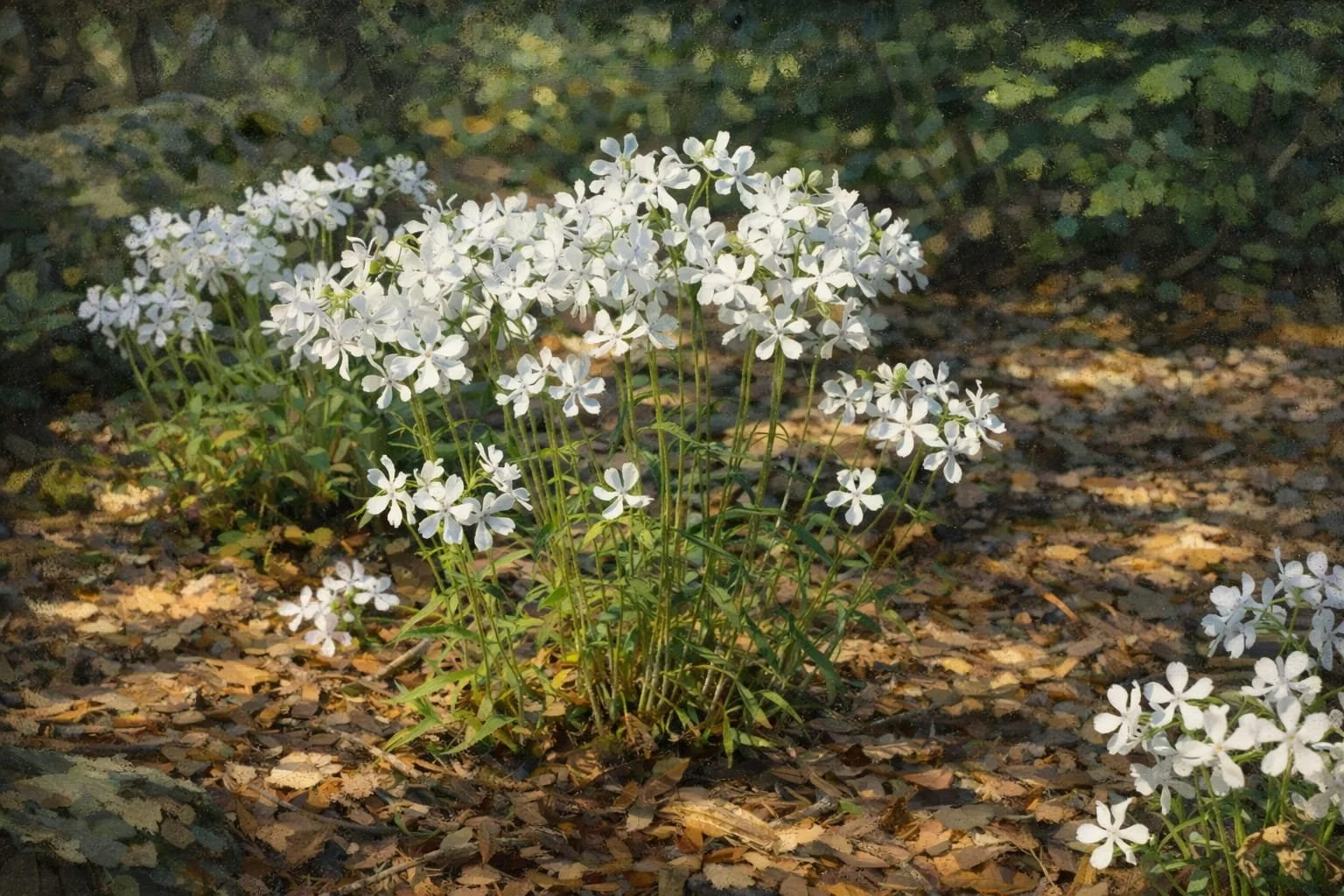
Availability: 50
‘May Breeze’ Woodland Phlox (Phlox divaricata ‘May Breeze’) is a luminous, spring-blooming native perennial valued for its soft white flowers, light fragrance, and excellent performance in shaded gardens. A refined selection of woodland phlox, ‘May Breeze’ thrives in Hudson Valley and New York landscapes, where it brings early-season brightness and strong ecological value to woodland and part-shade plantings.
In mid to late spring, ‘May Breeze’ produces abundant clusters of star-shaped white flowers with a subtle pale blue eye, creating a fresh, airy display beneath trees and along woodland edges. The blooms are gently fragrant and highly attractive to native bees, butterflies, and other early-season pollinators. Soft green foliage forms a low, spreading mat that functions as a graceful spring groundcover before receding later in the season.
Well suited to Hudson Valley residential landscapes, ‘May Breeze’ Woodland Phlox performs best in part shade to light shade and average to moist, well-drained soils rich in organic matter. It excels beneath deciduous trees, in native shade gardens, and along woodland paths, pairing beautifully with ferns, wild geranium, and other spring ephemerals. Its clean white flowers, early bloom time, and natural form make it a cornerstone plant for native woodland-inspired designs.
Plants Should Be Protected From Deer:
This plant should be fenced or grown within a fenced area to prevent deer browse. In low to moderate deer pressure areas, applying deer spray monthly is typically effective at preventing browsing. For trees with branches above 5 feet, fencing is not required; however, a tree tube is recommended while the tree is young to prevent buck rubbing in the fall.
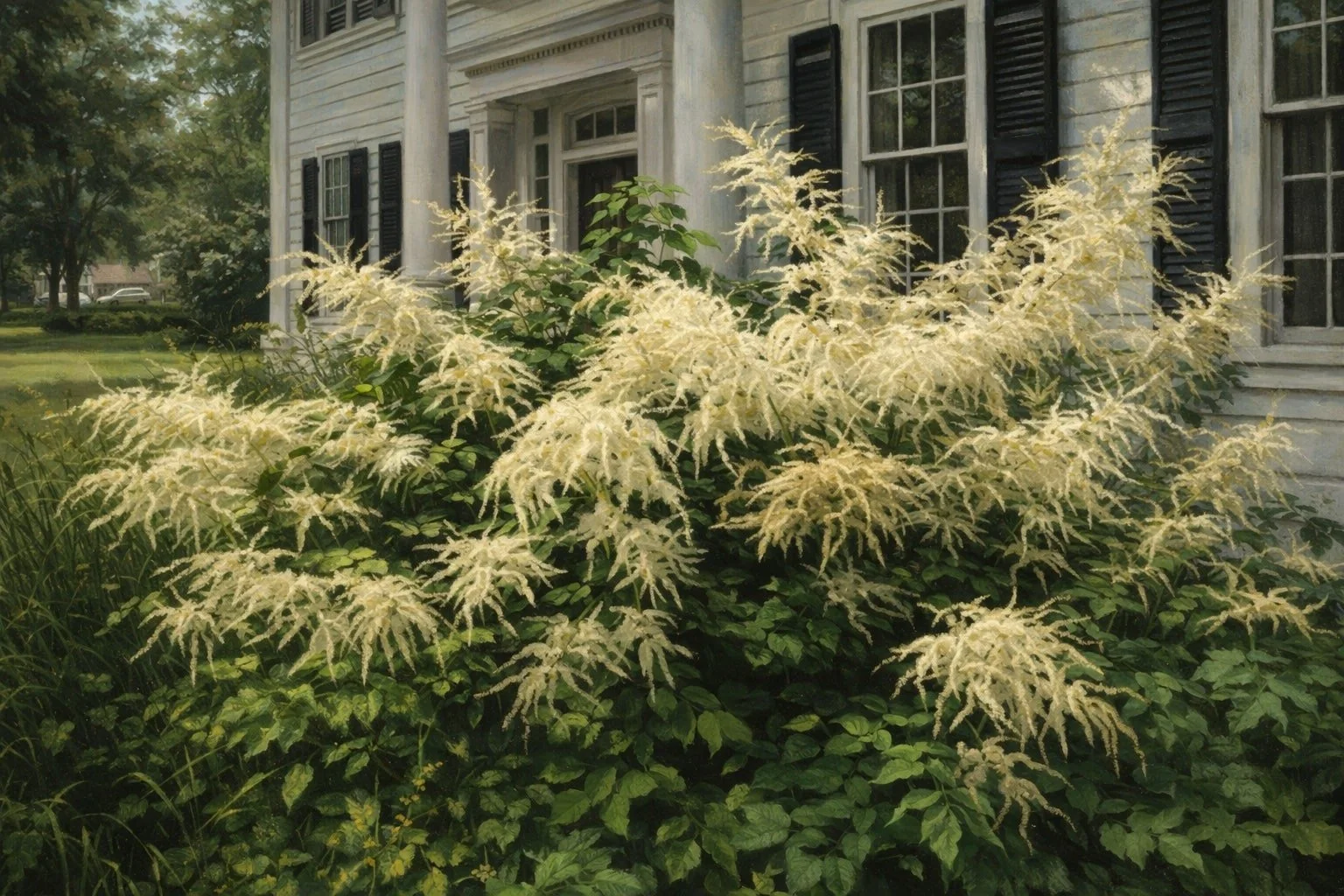
Availability: 50
Goat’s Beard (Aruncus dioicus) is a bold native perennial valued for its large, feathery white flower plumes and dramatic, fern-like foliage. Native to eastern North America, this plant brings a strong, architectural presence to shade and part-shade gardens, especially in rich, woodland soils.
Blooming in late spring to early summer, tall creamy-white plumes rise above the foliage, creating a soft, cloud-like effect. Goat’s Beard has a robust, clump-forming habit and works beautifully as a backdrop plant in woodland gardens, along streams, or in naturalized plantings.
Moderate Deer Resistance
Goat’s Beard is generally avoided by deer and performs best in Hudson Valley gardens with low to moderate deer pressure.
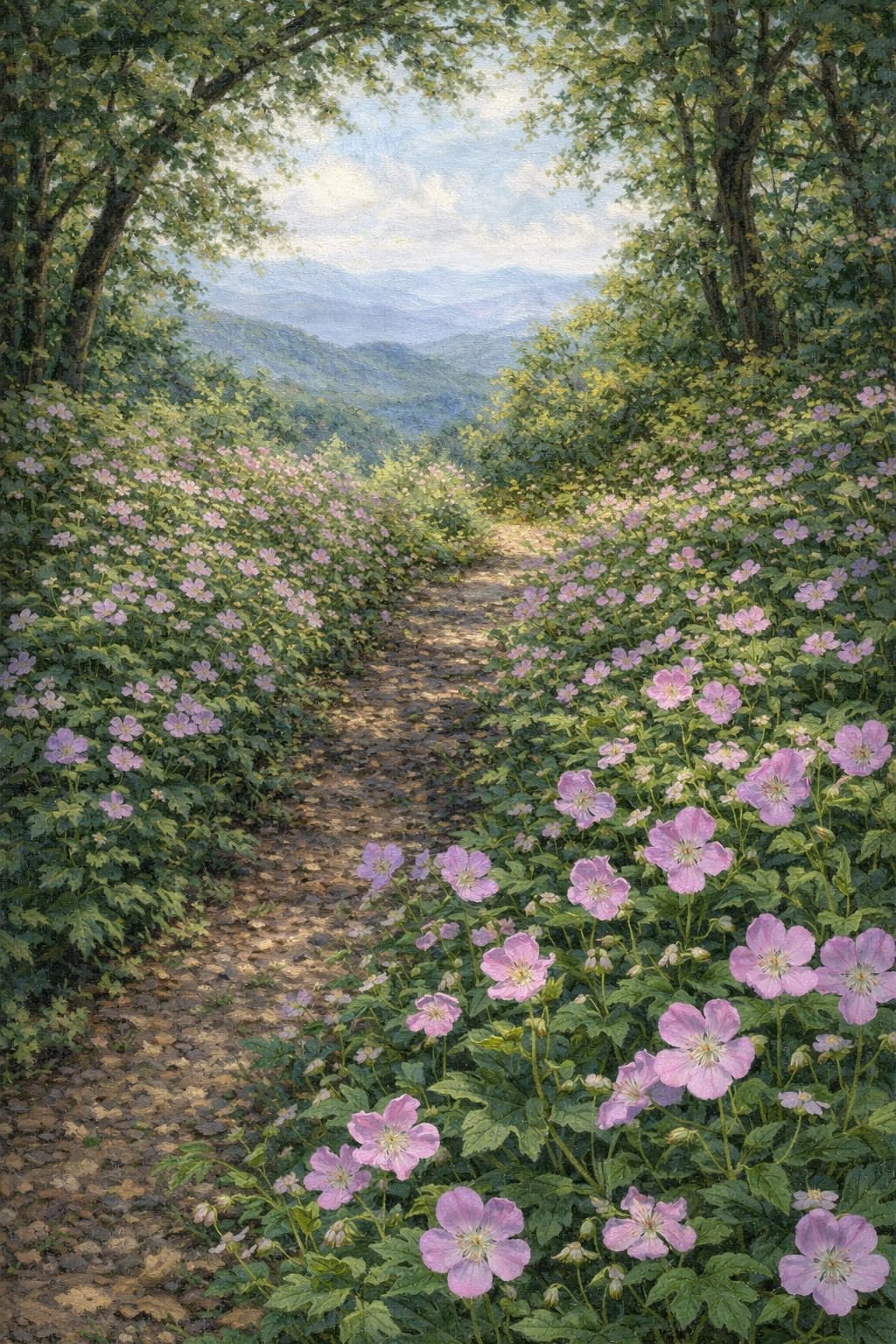
Availability: 150
Wild Geranium (Geranium maculatum) is a graceful, spring-blooming native perennial valued for its soft pink-lavender flowers, deeply cut foliage, and excellent adaptability in shaded landscapes. Native to eastern North America, wild geranium thrives in Hudson Valley and New York gardens, where it brings early-season color, texture, and strong ecological value to woodland and part-shade plantings.
In mid to late spring, Geranium maculatum produces delicate, five-petaled flowers in shades of pale pink to lavender, held above mounds of softly textured foliage. The blooms are highly attractive to native bees and early-season pollinators. Attractive, deeply lobed leaves remain lush through early summer, often taking on subtle red tones in fall and helping to fill gaps beneath trees and shrubs.
Well suited to Hudson Valley residential landscapes, Wild Geranium performs best in part shade to light shade and average to moist, well-drained soils. It excels along woodland edges, beneath deciduous trees, and in native shade gardens, where it pairs beautifully with ferns, sedges, and spring ephemerals. Its adaptability, early bloom time, and natural form make it a cornerstone species for native woodland-inspired designs.
Plants Should Be Protected From Deer:
This plant should be fenced or grown within a fenced area to prevent deer browse. In low to moderate deer pressure areas, applying deer spray monthly is typically effective at preventing browsing. For trees with branches above 5 feet, fencing is not required; however, a tree tube is recommended while the tree is young to prevent buck rubbing in the fall.
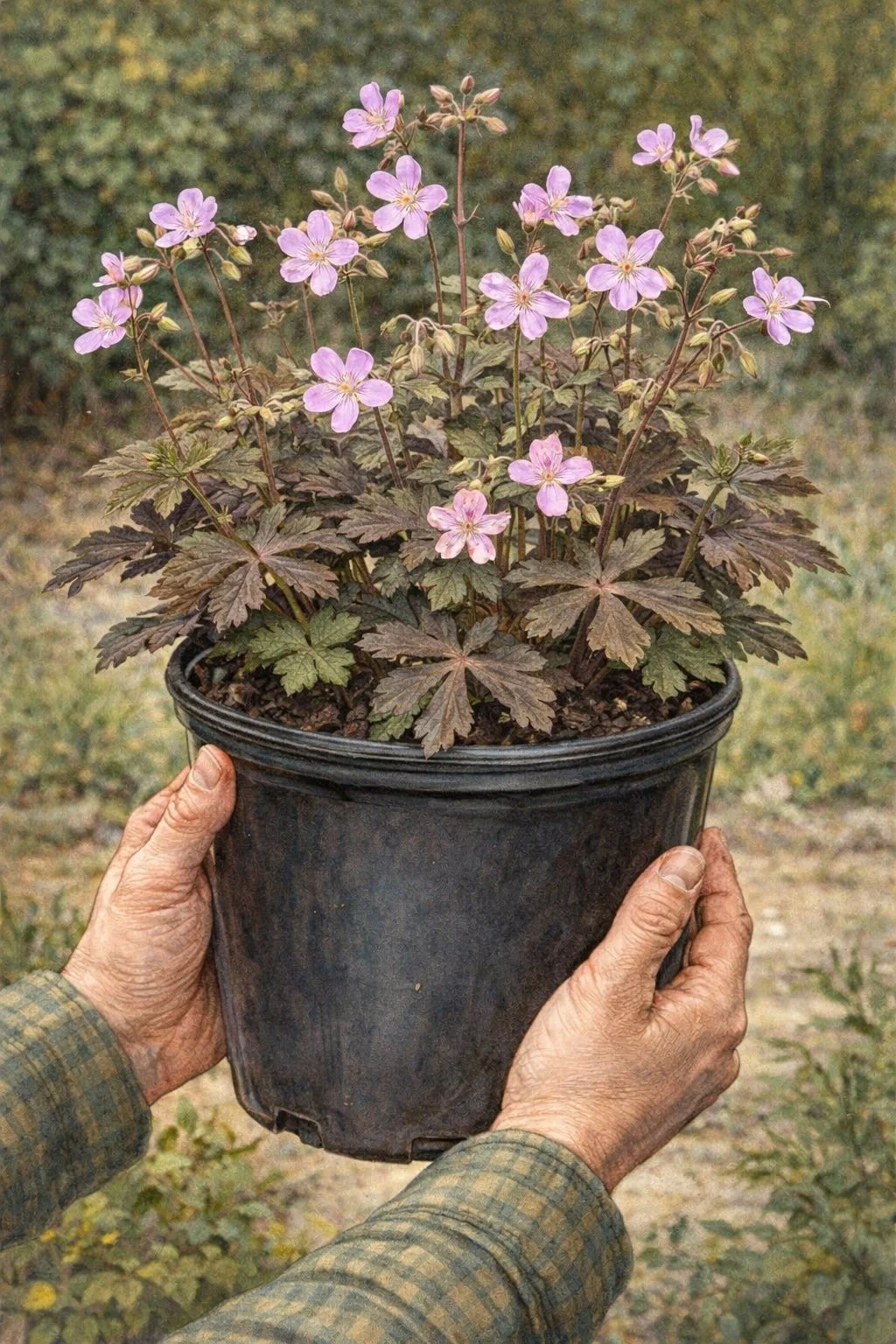
Availability: 70
Geranium ‘Espresso’ (Geranium maculatum ), is a refined native perennial valued for its deep burgundy spring foliage, soft lavender-pink flowers, and shade tolerance. Native to eastern North America, this cultivar performs beautifully in Hudson Valley and New York State gardens, especially in part shade to full shade with well-drained, woodland soils.
Blooming in mid to late spring, delicate cup-shaped flowers rise above dark foliage, attracting native bees and other early pollinators common to New York landscapes. As the season progresses, the foliage softens to green, providing a calm, textural groundcover beneath trees and shrubs. Espresso Wild Geranium blends effortlessly into woodland gardens, native borders, and naturalized plantings.
Moderate Deer Resistance
Espresso Wild Geranium is generally avoided by deer and performs best in Hudson Valley gardens with low to moderate deer pressure.
Berries birds love
Native plants look best planted in groups.
This spring, we’re offering curated sets of 12 quart-size native plants—an easy way to create bold, beautiful plantings at an accessible price.
Set of 12 plants
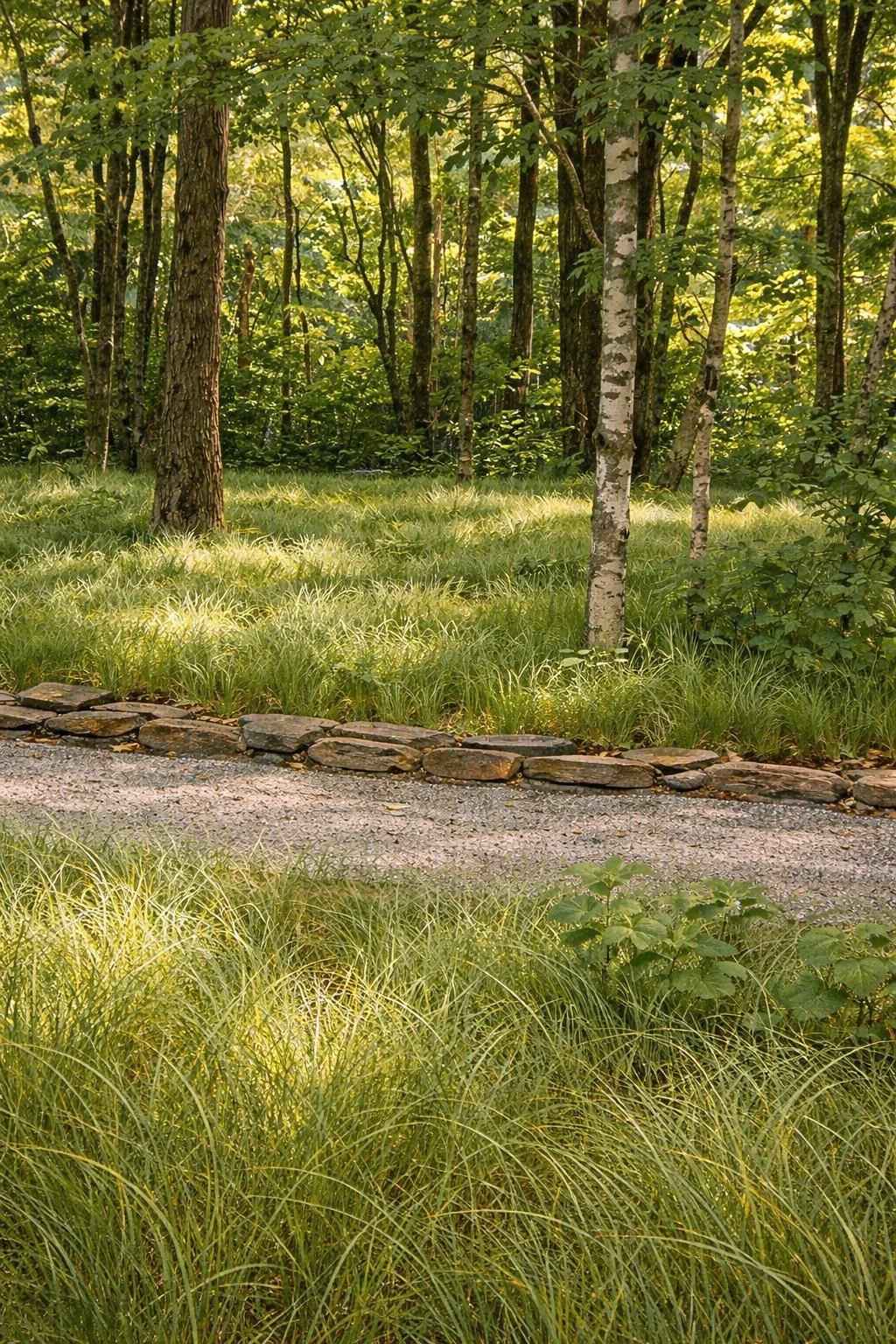
Pennsylvania Sedge (Carex pensylvanica) is a versatile, low-growing native sedge ideal for New York gardens and Hudson Valley landscapes. Commonly used as a lawn alternative, this fine-textured sedge forms soft, spreading mats that thrive in dry shade where traditional turf grasses struggle.
Well adapted to New York State growing conditions, Pennsylvania Sedge performs best in part shade to full shade and tolerates dry soils once established. It can handle light foot traffic and occasional mowing, making it an excellent choice for woodland paths, understory plantings, and naturalized lawn areas.
Low maintenance and deer resistant, Carex pensylvanica is a favorite among gardeners and landscape designers seeking sustainable, native groundcovers and eco-friendly lawn alternatives for New York landscapes.
Deer resistant, low maintenance, and extremely durable, Juncus tenuis is an excellent choice for gardeners and designers seeking resilient native plants for sustainable New York landscapes.
Berries birds love
Availability: 16 packages of 12 plants each
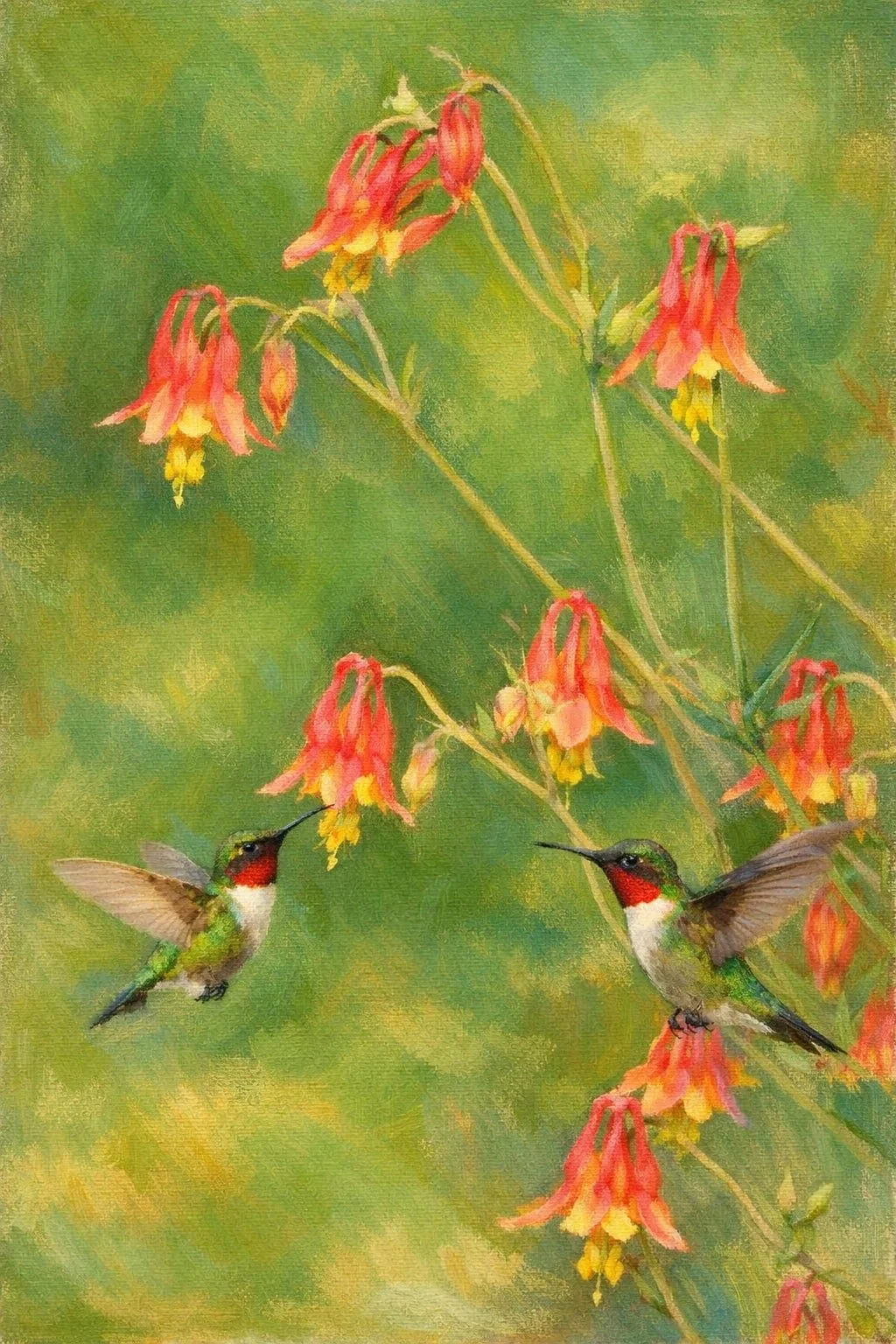
Eastern Red Columbine (Aquilegia canadensis), commonly known simply as Columbine, is a delicate yet resilient native perennial valued for its nodding red and yellow spring flowers and airy, fern-like foliage. Native to eastern North America, this plant brings early-season color and a soft, woodland character to shade gardens, rock outcrops, and naturalized landscapes.
Blooming in mid to late spring, the tubular red and yellow flowers are a favorite of hummingbirds and early pollinators. Eastern Red Columbine readily self-sows in the right conditions, creating a natural, relaxed look that blends beautifully into woodland edges and informal gardens.
Moderate Deer Resistance
Eastern Red Columbine is generally avoided by deer and performs best in Hudson Valley gardens with low to moderate deer pressure.
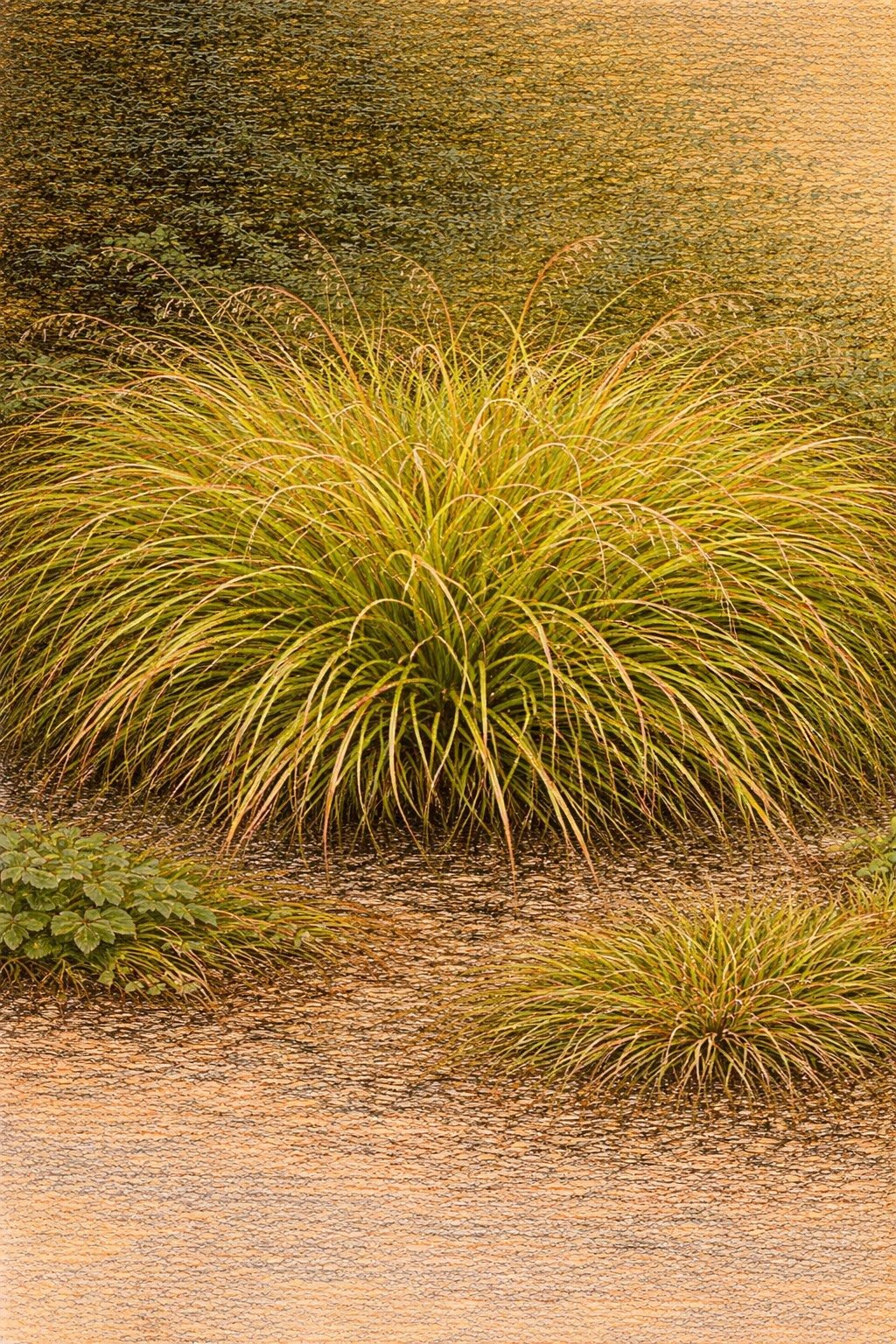
Cherokee Sedge (Carex cherokeensis) is a graceful, clump-forming native sedge well suited to New York gardens, especially shaded to partly shaded landscapes. With its soft, arching green foliage, this adaptable perennial brings a natural, woodland feel to borders, understory plantings, and shaded garden beds throughout the Hudson Valley.
Thriving in average to moist soils, Cherokee Sedge performs beautifully in rain gardens, along woodland edges, and in mixed native plantings. Its fine texture provides contrast alongside flowering perennials while offering year-round structure and seasonal interest.
Low maintenance and deer resistant, Carex cherokeensis is an excellent native alternative to ornamental grasses and a reliable choice for gardeners and landscape designers across New York State seeking durable, shade-tolerant native plants.
Availability: 20 packages
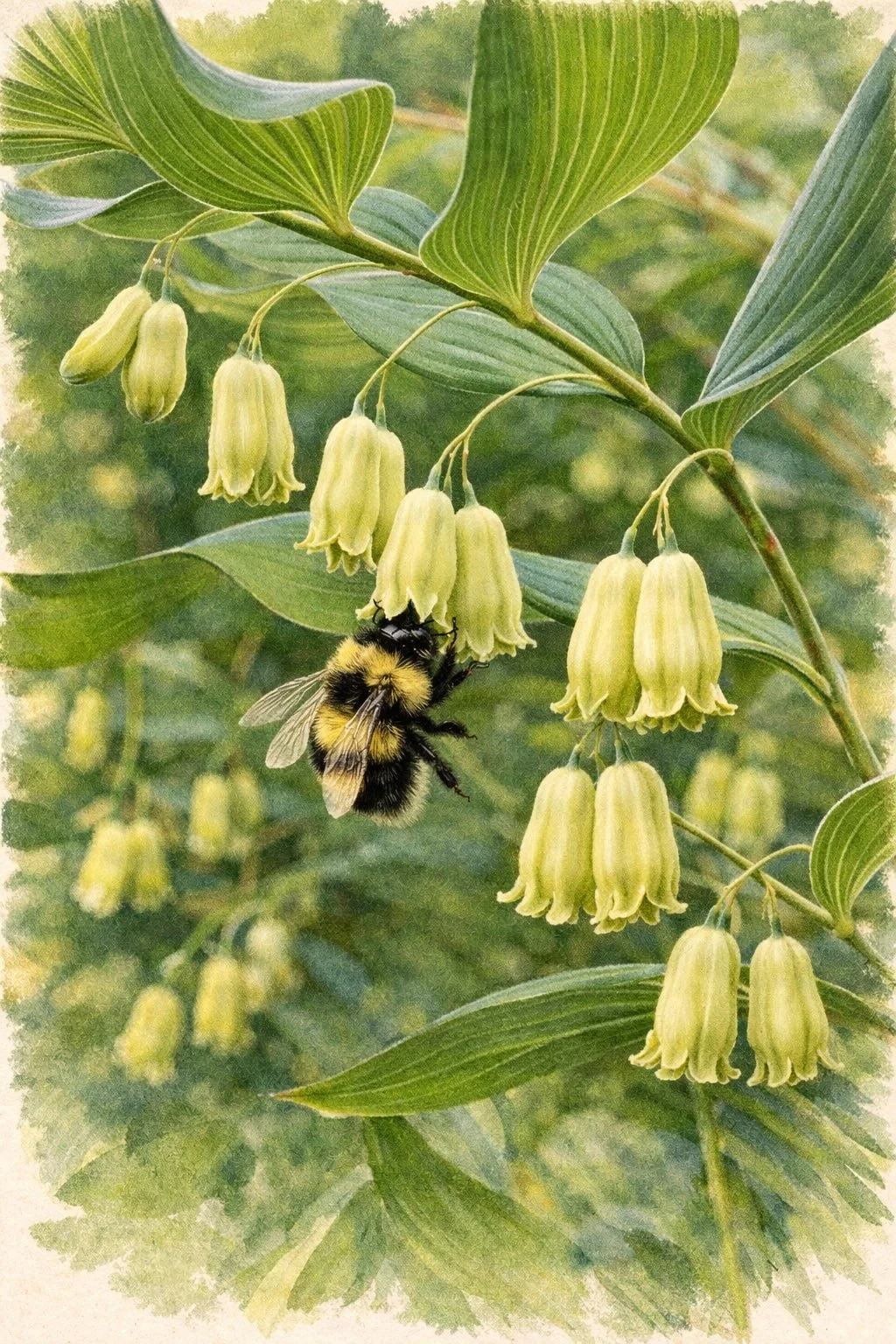
Smooth Solomon’s Seal (Polygonatum biflorum), commonly known as Smooth Solomon’s Seal, is a graceful native perennial valued for its arching stems, soft green foliage, and delicate spring flowers. Native to eastern North America, this woodland species thrives in Hudson Valley and New York State gardens, particularly in part shade to full shade with rich, well-drained soils.
Blooming in mid to late spring, small white, bell-shaped flowers hang neatly beneath the arching stems, followed by blue-black berries later in the season. Smooth Solomon’s Seal brings elegant structure and a calm, woodland feel to New York landscapes, making it an excellent choice for shaded borders, native understory plantings, and naturalized woodland gardens.
Moderate Deer Resistance
Smooth Solomon’s Seal is generally avoided by deer and performs best in Hudson Valley gardens with low to moderate deer pressure.
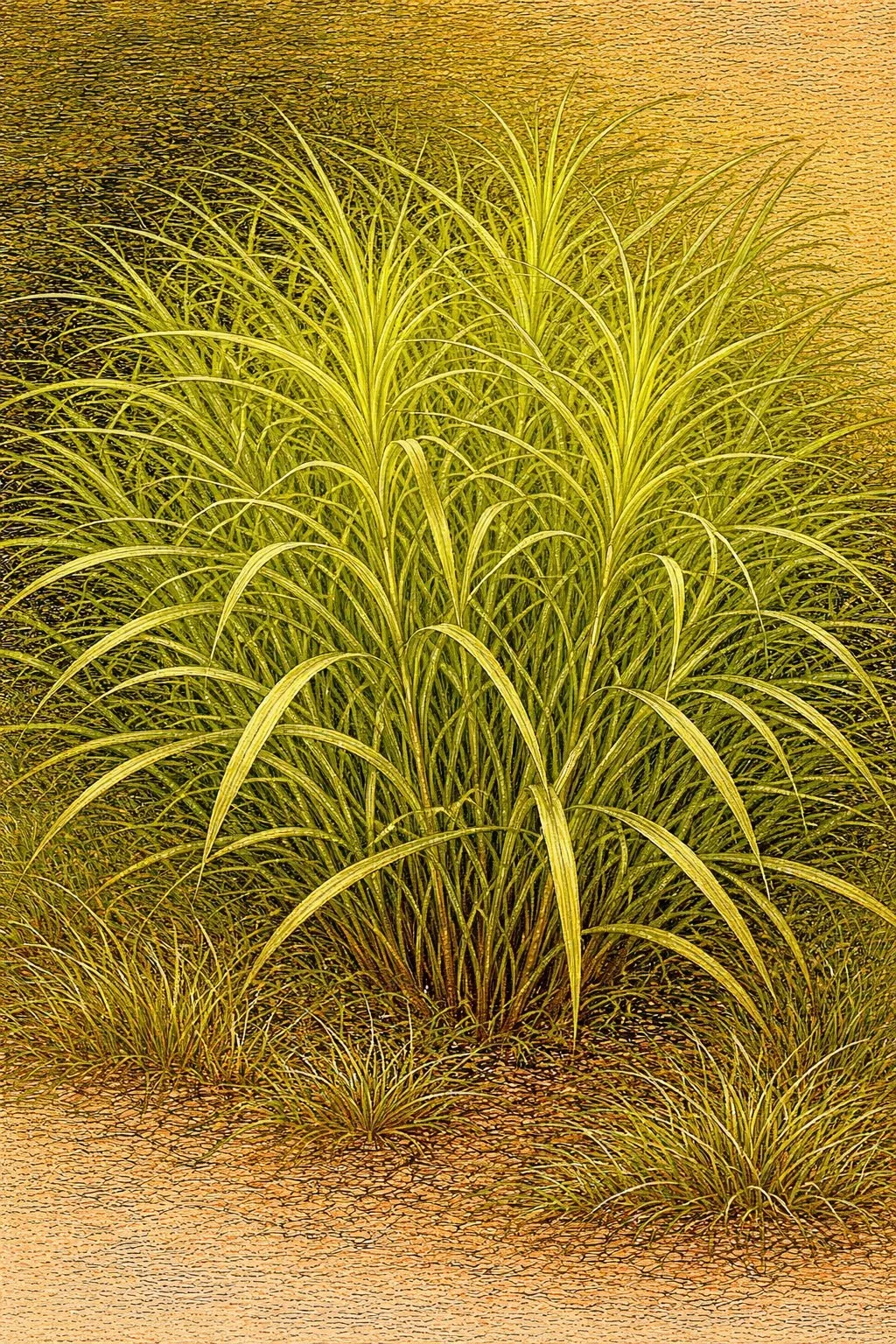
Palm Sedge (Carex muskingumensis) is a distinctive native sedge well suited to New York gardens and Hudson Valley landscapes. Known for its upright, palm-like foliage arranged in layered tiers, this clump-forming sedge adds strong texture and architectural interest to shade and part-shade plantings.
Well adapted to New York State growing conditions, Palm Sedge thrives in moist to average soils and performs especially well in rain gardens, along pond edges, and in shaded borders. Its bold foliage pairs beautifully with flowering perennials and other woodland plants, providing structure and interest throughout the growing season.
Low maintenance and deer resistant, Carex muskingumensis is an excellent native alternative to ornamental grasses and a reliable choice for gardeners seeking durable, shade-tolerant native plants for New York landscapes.
Deer resistant, low maintenance, and long-lived, Matteuccia struthiopteris is an excellent choice for gardeners and landscape designers seeking dependable native ferns and timeless woodland beauty in New York landscapes.
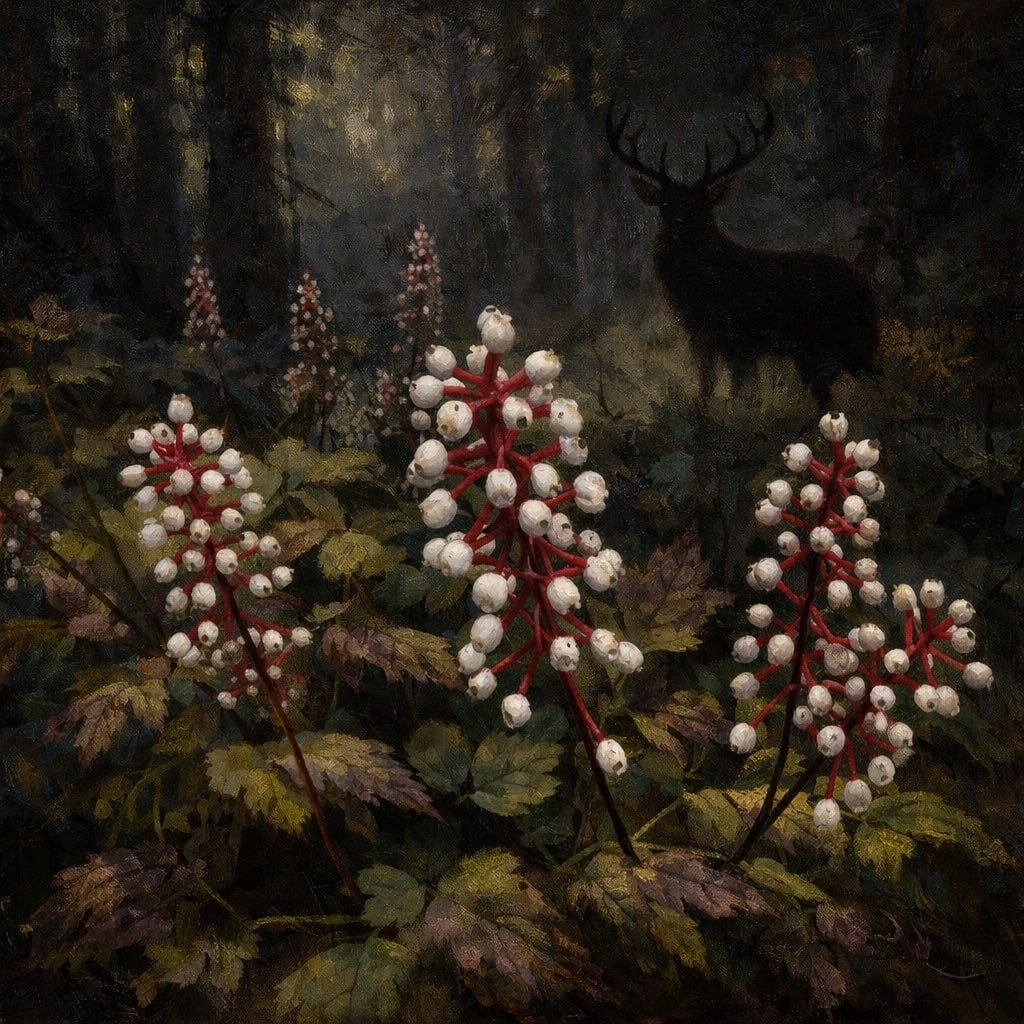
White Baneberry (Actaea pachypoda), commonly known as Doll’s Eyes, is a striking native woodland perennial prized for its bold foliage, spring flowers, and unforgettable white berries with black “eyes.” Native to eastern North America, this shade-loving plant brings dramatic texture and seasonal interest to forest gardens, native landscapes, and shaded borders.
Blooming in late spring, airy white flower clusters give way to showy berries in late summer and fall, making this plant a true four-season woodland standout.
Moderate Deer Resistance
White Baneberry is generally avoided by deer and performs best in Hudson Valley gardens with low to moderate deer pressure.
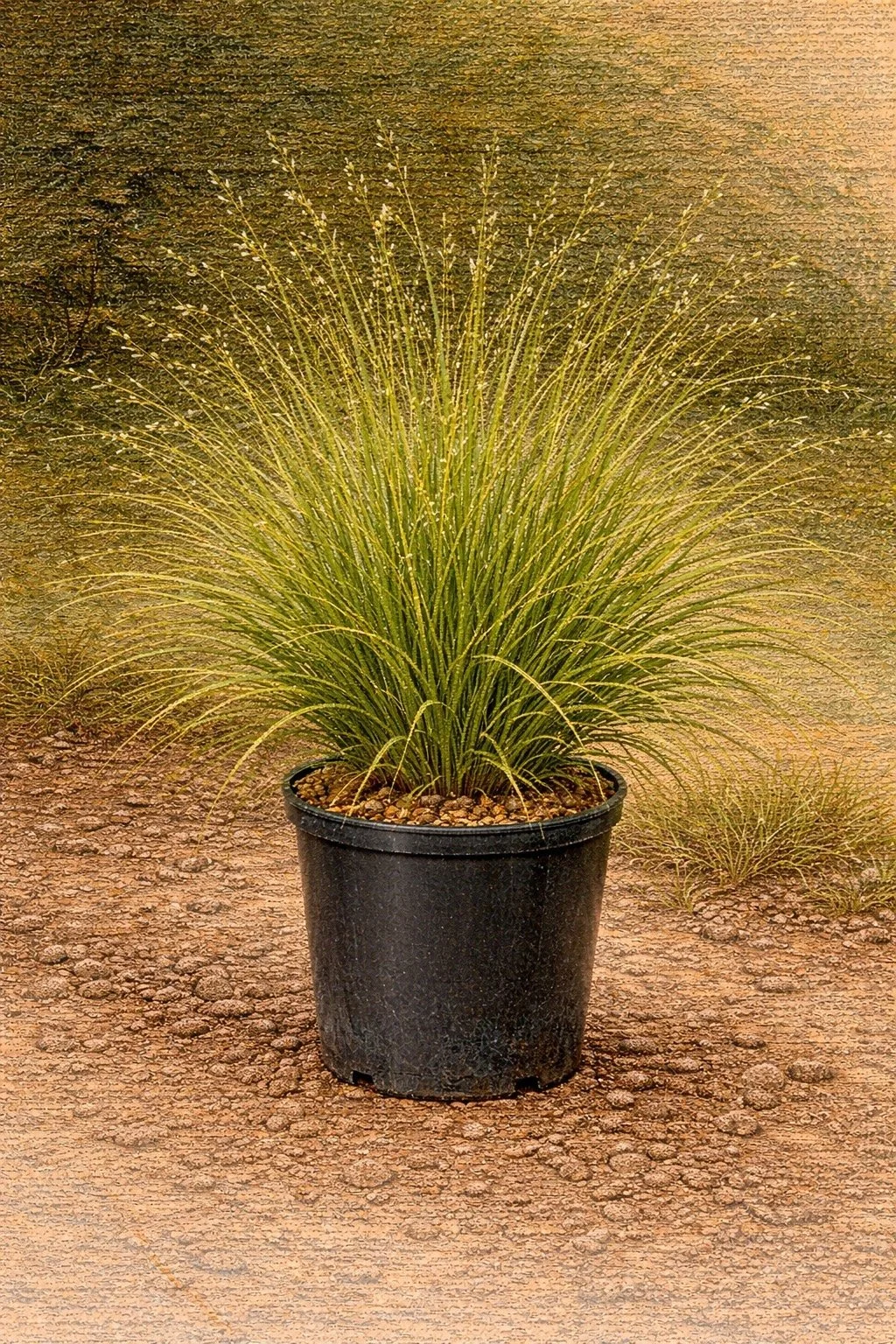
Appalachian Sedge (Carex appalachica) is a fine-textured, clump-forming native sedge ideal for New York State gardens, especially dry, shady woodlands and shaded landscapes throughout the Hudson Valley. Well adapted to Northeast growing conditions, this low-maintenance native grass alternative thrives in shade where traditional turf struggles.
With its soft, fountain-like green foliage, Appalachian Sedge adds movement and texture to understory plantings, woodland gardens, and shaded borders. We offer Appalachian Sedge in value sets of 12—planting in groups creates a lush, natural look and makes a strong visual impact in shaded New York landscapes.
Deer resistant and easy to grow, Appalachian Sedge is an excellent choice for homeowners and landscape designers across New York State looking for reliable native plants for shade.
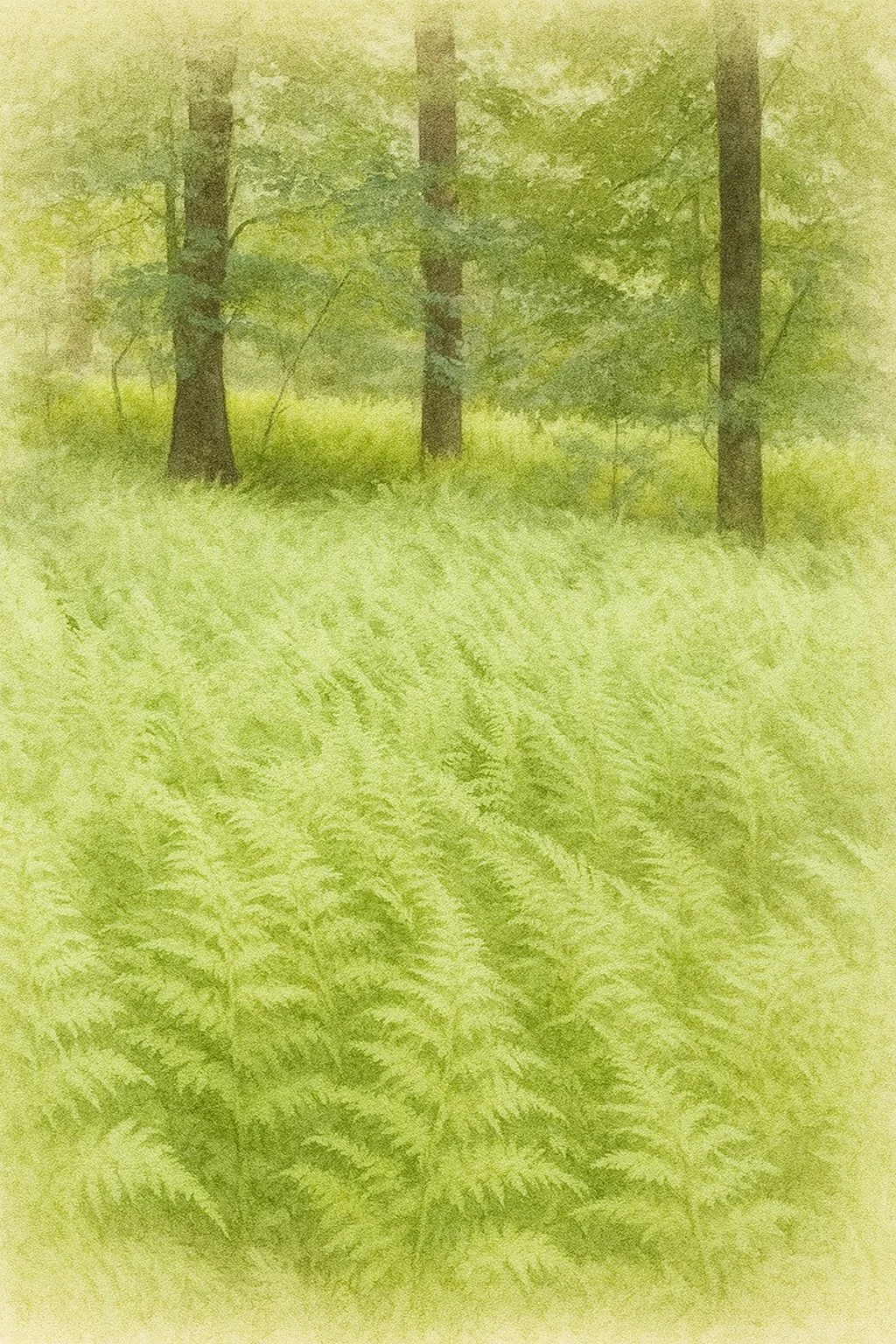
Hay-scented Fern (Dennstaedtia punctilobula) is a fast-growing native fern well suited to New York gardens and Hudson Valley landscapes. Known for its soft, bright green fronds and fresh, hay-like fragrance when brushed, this woodland fern quickly forms a dense, natural groundcover in shaded areas.
Well adapted to New York State growing conditions, Hay-scented Fern thrives in part shade to full shade and tolerates a wide range of soils, including dry woodland conditions once established. It is especially effective for erosion control, naturalizing large areas, and filling understory spaces beneath trees.
Low maintenance and deer resistant, Dennstaedtia punctilobula is an excellent choice for gardeners and land stewards seeking reliable native ferns for woodland gardens and shaded landscapes in New York.
Availability: 16 packages of 12 plants each
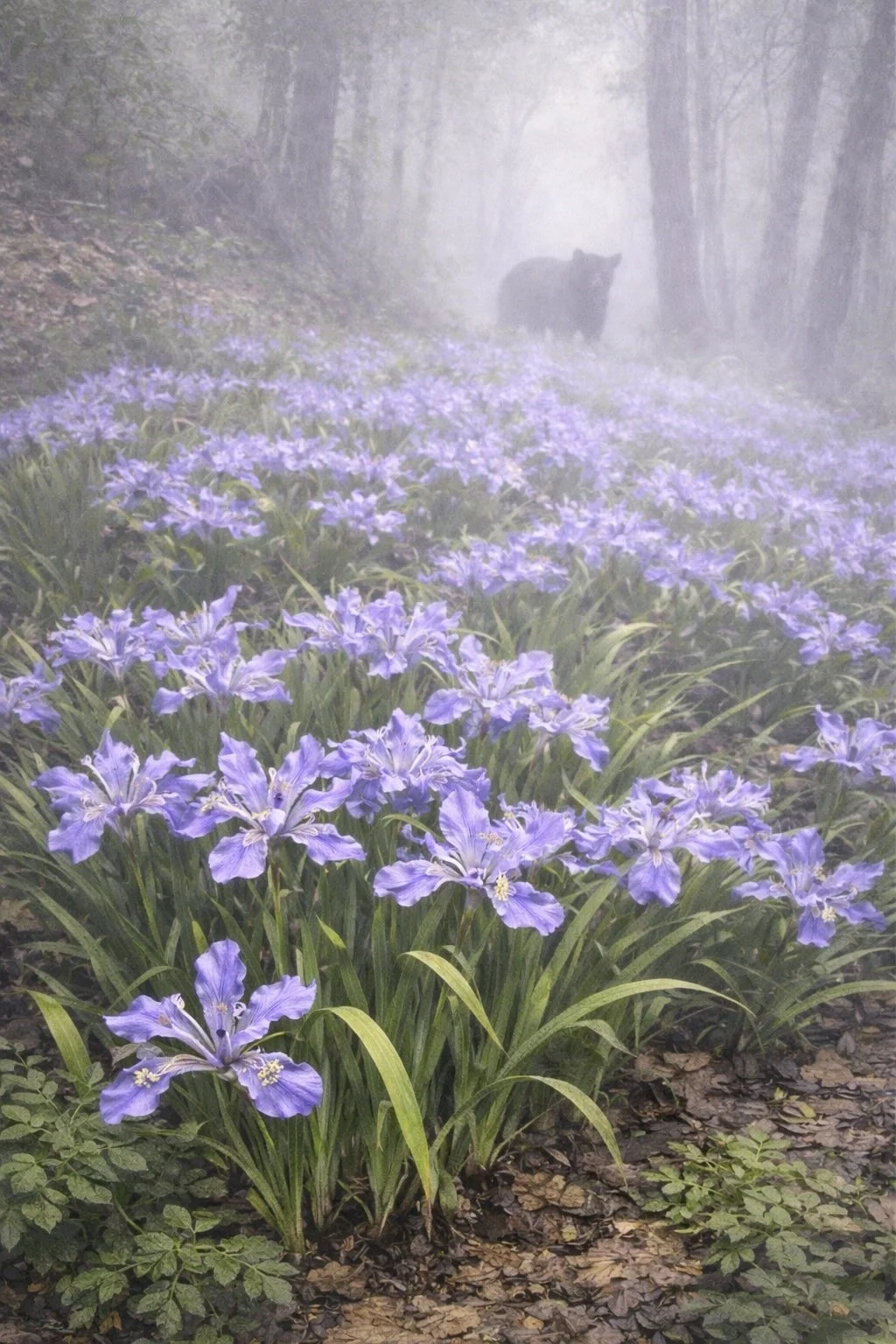
Dwarf Crested Iris (Iris cristata), is a charming native perennial valued for its soft blue spring flowers, low-growing habit, and woodland adaptability. Native to eastern North America, this species thrives in Hudson Valley and New York State gardens, particularly in part shade to full shade with well-drained, humus-rich soils.
Blooming in early to mid-spring, delicate blue to lavender flowers appear just above the foliage, creating a beautiful carpet of color in woodland gardens and shaded borders. Dwarf Crested Iris spreads slowly by rhizomes, making it an excellent choice for naturalized groundcover in New York landscapes beneath trees and shrubs.
Moderate Deer Resistance
Dwarf Crested Iris is generally avoided by deer and performs best in Hudson Valley gardens with low to moderate deer pressure.
Availability: 20 packages
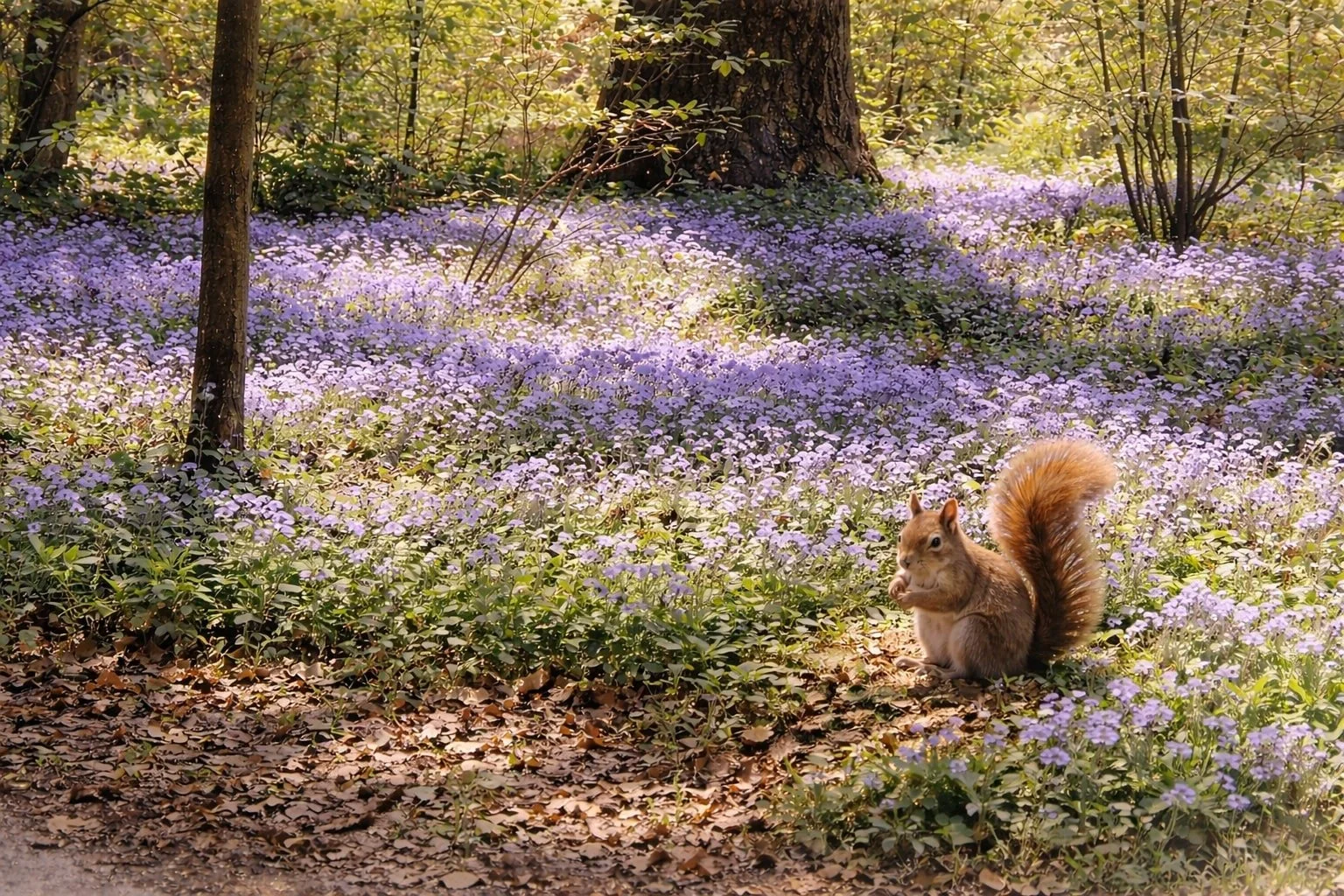
Sherwood Purple Creeping Phlox (Phlox stolonifera ), commonly known as Sherwood Purple Creeping Phlox, is a beautiful native groundcover valued for its rich purple spring flowers, spreading habit, and shade tolerance. Native to eastern North America, this cultivar performs exceptionally well in Hudson Valley and New York State gardens, especially in part shade to full shade with moist, well-drained soils.
Blooming in mid to late spring, dense clusters of deep purple flowers blanket the foliage, attracting native bees and other early pollinators common to New York landscapes. Sherwood Purple spreads gently by stolons, making it an excellent choice for woodland gardens, shaded borders, and naturalized groundcover beneath trees and shrubs.
Moderate Deer Resistance
Sherwood Purple Creeping Phlox is generally avoided by deer and performs best in Hudson Valley gardens with low to moderate deer pressure.
Spring flowering perennials
For sunny gardens
Availability: 200
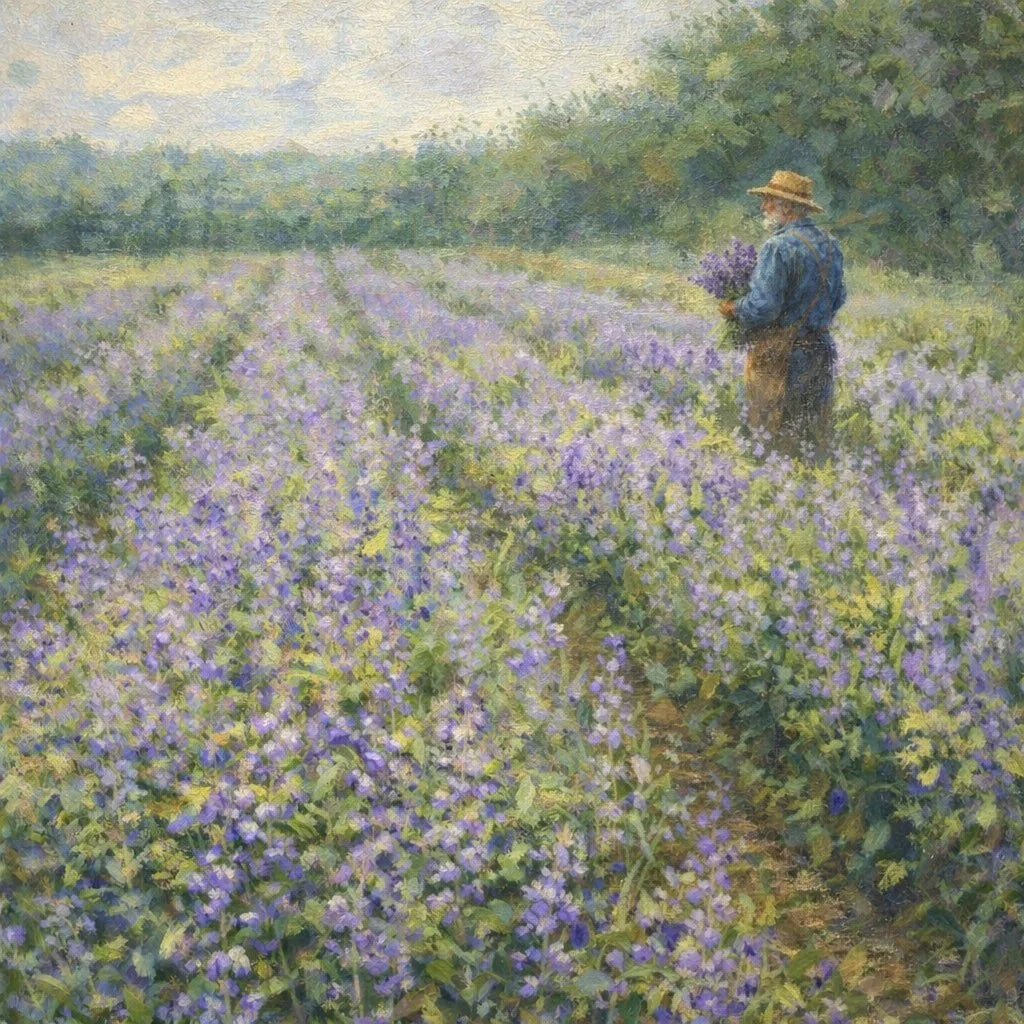
Blue Wild Indigo (Baptisia australis), commonly known as simply as Baptisia, a long-lived native perennial valued for its deep blue spring flowers, shrubby form, and exceptional durability. Native to much of eastern North America, this plant thrives in Hudson Valley and New York State gardens, where it performs reliably in full sun and well-drained soils.
Blooming in late spring to early summer, tall spikes of rich blue, pea-like flowers rise above soft blue-green foliage, attracting native bees and other pollinators common to New York landscapes. After flowering, decorative seed pods add texture and interest through summer and fall. Blue Wild Indigo develops a deep root system, making it highly drought tolerant and extremely long-lived once established.
Moderate Deer Resistance
Blue Wild Indigo is generally avoided by deer and performs best in Hudson Valley gardens with low to moderate deer pressure.
Bloom period: May-June
Availability: 30
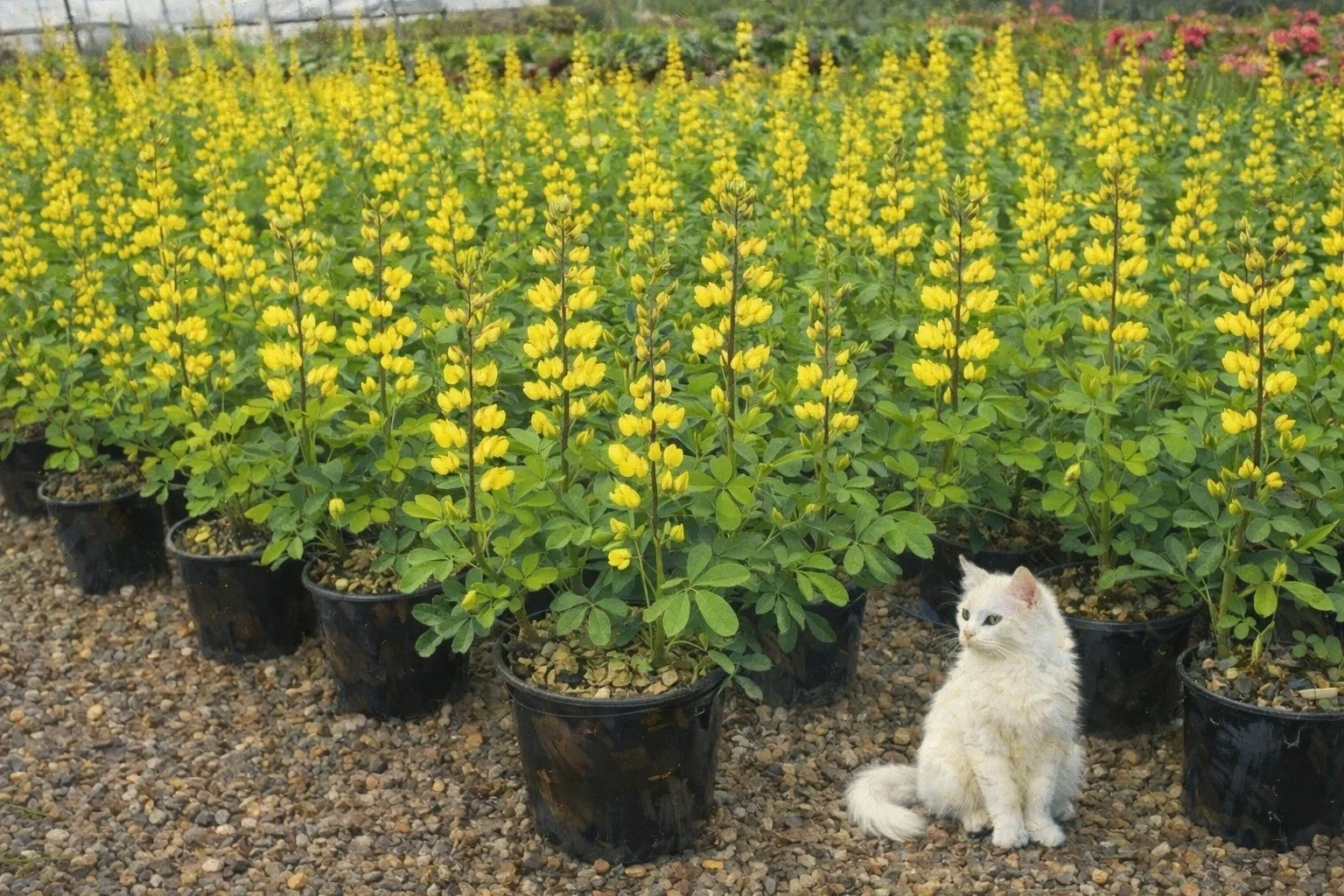
Yellow Wild Indigo (Baptisia sphaerocarpa), commonly known as Large Yellow Indigo, is a robust native perennial valued for its bright yellow spring flowers, blue-green foliage, and strong architectural form. Native to central and southeastern North America, this species adapts well to Hudson Valley and New York State gardens, especially in sunny sites with well-drained soil.
Blooming in late spring to early summer, upright spikes of cheerful yellow, pea-like flowers rise above the foliage, attracting native bees and other pollinators common to New York landscapes. Like other baptisias, Yellow Wild Indigo develops a deep root system, making it drought tolerant, long-lived, and low maintenance once established.
Moderate Deer Resistance
Yellow Wild Indigo is generally avoided by deer and performs best in Hudson Valley gardens with low to moderate deer pressure.
Availability: 40
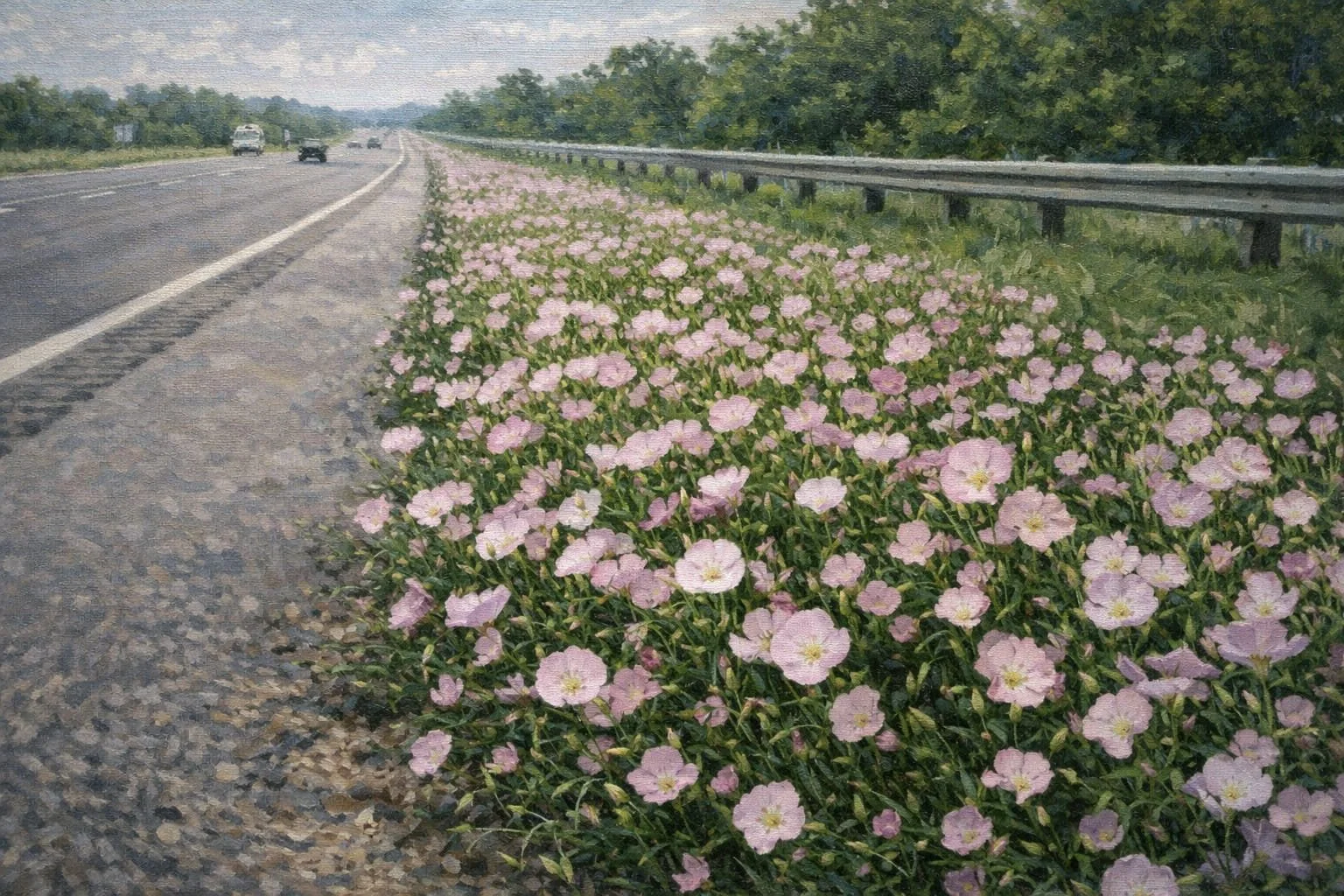
‘Siskiyou’ Evening Primrose (Oenothera speciosa ‘Siskiyou’) is a low-growing, long-blooming perennial valued for its soft pink flowers, spreading habit, and exceptional drought tolerance. A refined selection of evening primrose, ‘Siskiyou’ performs reliably in Hudson Valley and New York landscapes when given sun and well-drained soil, bringing an extended season of color to open, informal plantings.
From late spring through summer, ‘Siskiyou’ produces masses of delicate, cup-shaped pale pink flowers with darker pink veining that gradually fade to near white. Blooms open freely over a long period and are attractive to bees and other pollinators. Narrow green foliage forms a loose, spreading groundcover that knits plantings together and softens edges, making it especially useful in naturalistic designs.
Well suited to Hudson Valley residential landscapes, ‘Siskiyou’ Evening Primrose thrives in full sun and dry to average, well-drained soils, including sandy or gravelly sites. It excels along pathways, in meadow-style plantings, on slopes, and in pollinator gardens where toughness and long bloom time are valued. Its adaptability and informal beauty make it an excellent choice for low-maintenance, native-adjacent landscapes.
Plants Should Be Protected From Deer:
This plant may be browsed by deer and should be protected in areas with moderate to high deer pressure. In low to moderate deer pressure areas, applying deer spray monthly is typically effective at preventing browsing. Fencing or physical barriers are recommended where deer pressure is high.
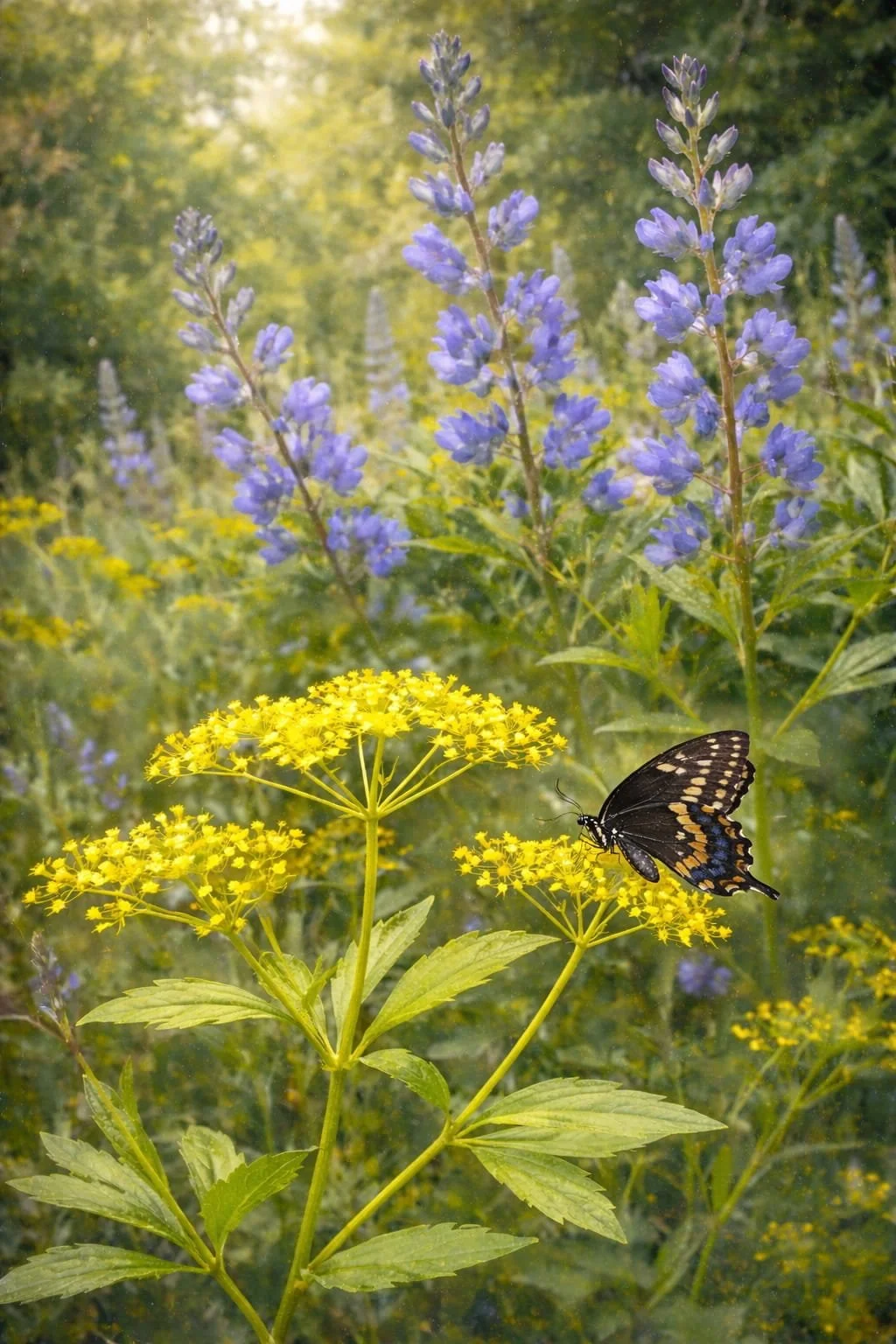
Availability: 60
Golden Alexanders (Zizia aurea) is an early-blooming native perennial valued for its bright yellow flower clusters, compact habit, and exceptional ecological importance. Native to eastern North America, golden alexanders thrives in Hudson Valley and New York landscapes, where it provides critical early-season nectar and serves as a foundational plant for pollinator gardens.
In mid to late spring, Zizia aurea produces flat-topped clusters of vivid golden-yellow flowers held above fresh green foliage. These blooms are a vital nectar source for native bees and butterflies, including early-emerging pollinators. The plant also serves as a larval host for black swallowtail butterflies. Clean, toothed foliage remains attractive through early summer and often develops subtle golden tones in fall.
Well suited to Hudson Valley residential landscapes, Golden Alexanders thrives in full sun to part shade and prefers average to moist, well-drained soils. It excels in native borders, meadow plantings, rain garden edges, and pollinator-focused designs where early color and ecological function are priorities. Its manageable size, early bloom time, and wildlife value make it a cornerstone species for native-forward and seasonally layered garden designs.
Plants Should Be Protected From Deer:
This plant should be fenced or grown within a fenced area to prevent deer browse. In low to moderate deer pressure areas, applying deer spray monthly is typically effective at preventing browsing.
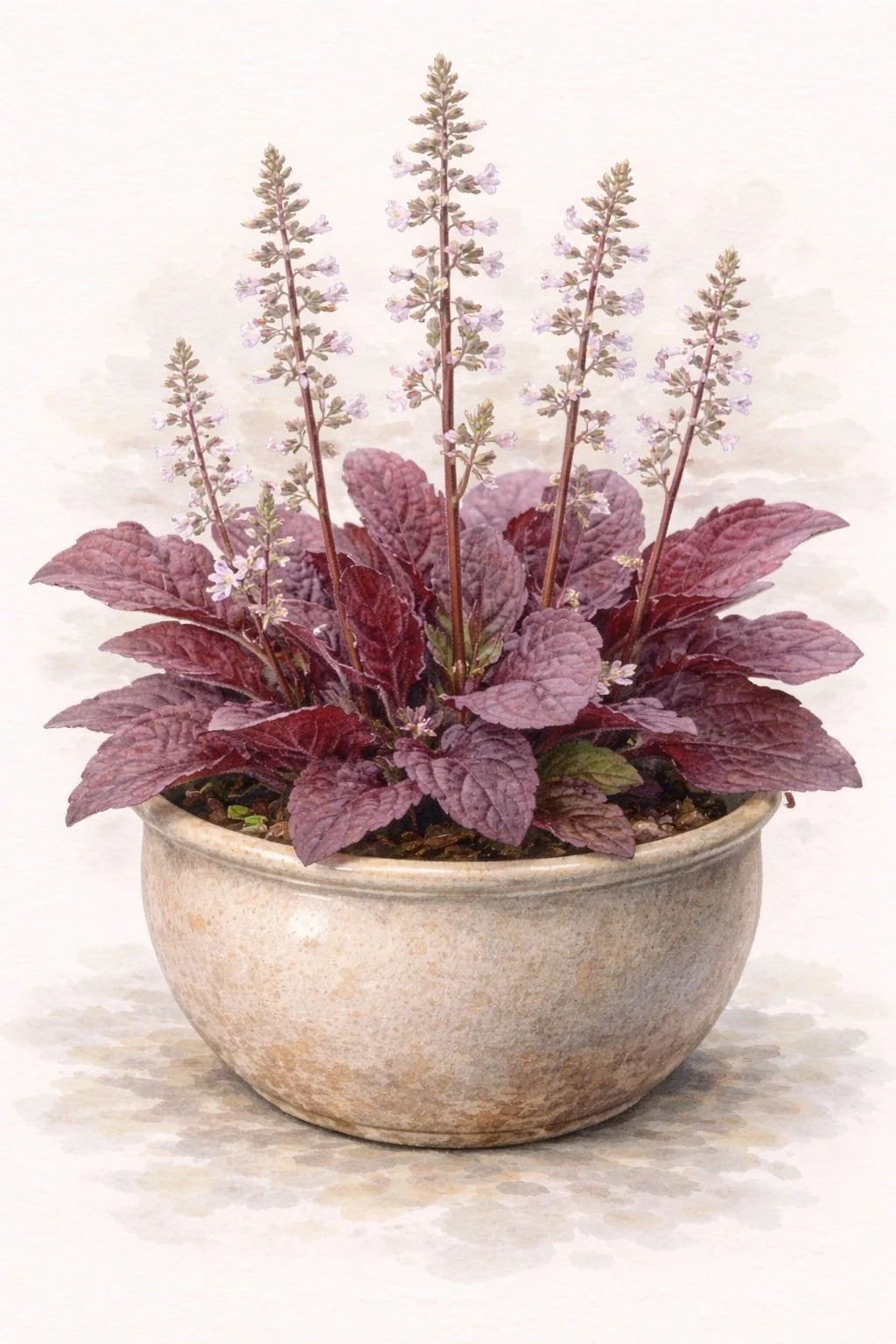
Availability: 70
Lyreleaf Sage 'Purple Knockout' (Salvia lyrata), commonly known as native Salvia , is a striking native perennial valued for its deep purple foliage, soft blue spring flowers, and low-growing rosette form. Native to eastern North America, this cultivar performs exceptionally well in Hudson Valley and New York State gardens, especially in full sun to part shade with well-drained soils.
Blooming in mid to late spring, slender spikes of pale blue flowers rise above dark purple leaves, attracting native bees and other early pollinators common to New York landscapes. Purple Knockout provides bold foliage color from spring through fall and works beautifully as a groundcover, edging plant, or accent in native borders and pollinator gardens.
Moderate Deer Resistance
Purple Knockout Lyreleaf Sage is generally avoided by deer and performs best in Hudson Valley gardens with low to moderate deer pressure.
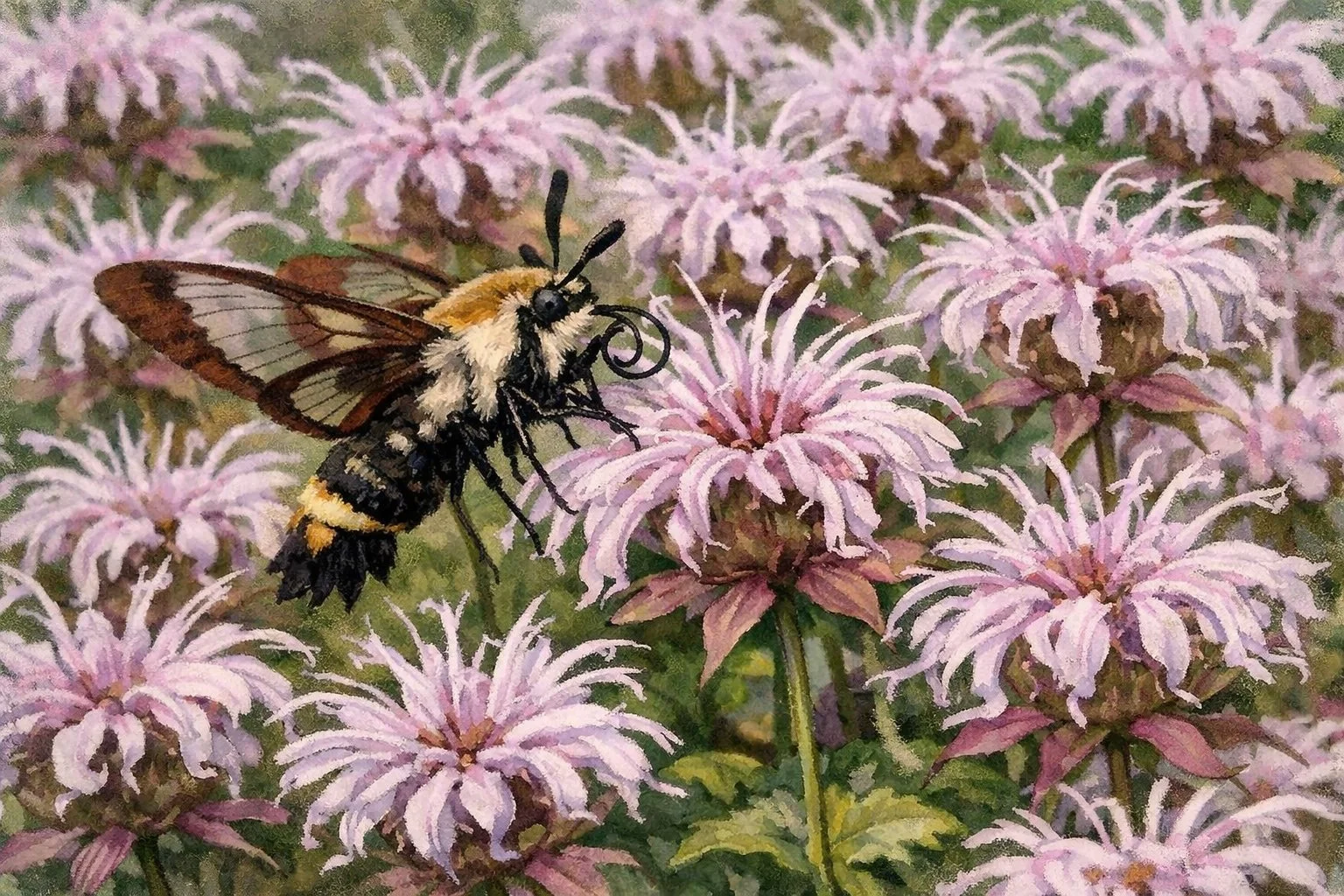
Availability: 100
Eastern Bee Balm (Monarda bradburiana), commonly known as Early Bee Balm, is an early-blooming native perennial valued for its pale lavender-pink flowers, tidy habit, and excellent pollinator value. Native to central and eastern North America, this species performs beautifully in Hudson Valley and New York State gardens, especially in full sun to part shade with well-drained soils.
Blooming in late spring to early summer, soft pastel flower clusters attract native bees, butterflies, and other beneficial insects common to New York landscapes. Eastern Bee Balm has strong resistance to powdery mildew and a more restrained growth habit than many other monardas, making it an excellent choice for borders, pollinator gardens, and native plantings.
Moderate Deer Resistance
Eastern Bee Balm is generally avoided by deer and performs best in Hudson Valley gardens with low to moderate deer pressure
Availability: 30
Lanceleaf Coreopsis (Coreopsis lanceolata), commonly known as Lanceleaf Coreopsis, is a cheerful native perennial valued for its bright golden-yellow flowers, long bloom period, and adaptability to a wide range of sites. Native to eastern and central North America, this species performs exceptionally well in Hudson Valley and New York State gardens, especially in full sun and well-drained soils.
Blooming from late spring into early summer, daisy-like yellow flowers rise above low, narrow foliage, attracting native bees, butterflies, and other pollinators common to New York landscapes. Lanceleaf Coreopsis is drought tolerant once established and ideal for meadows, pollinator gardens, and sunny borders.
Moderate Deer Resistance
Lanceleaf Coreopsis is generally avoided by deer and performs best in Hudson Valley gardens with low to moderate deer pressure.
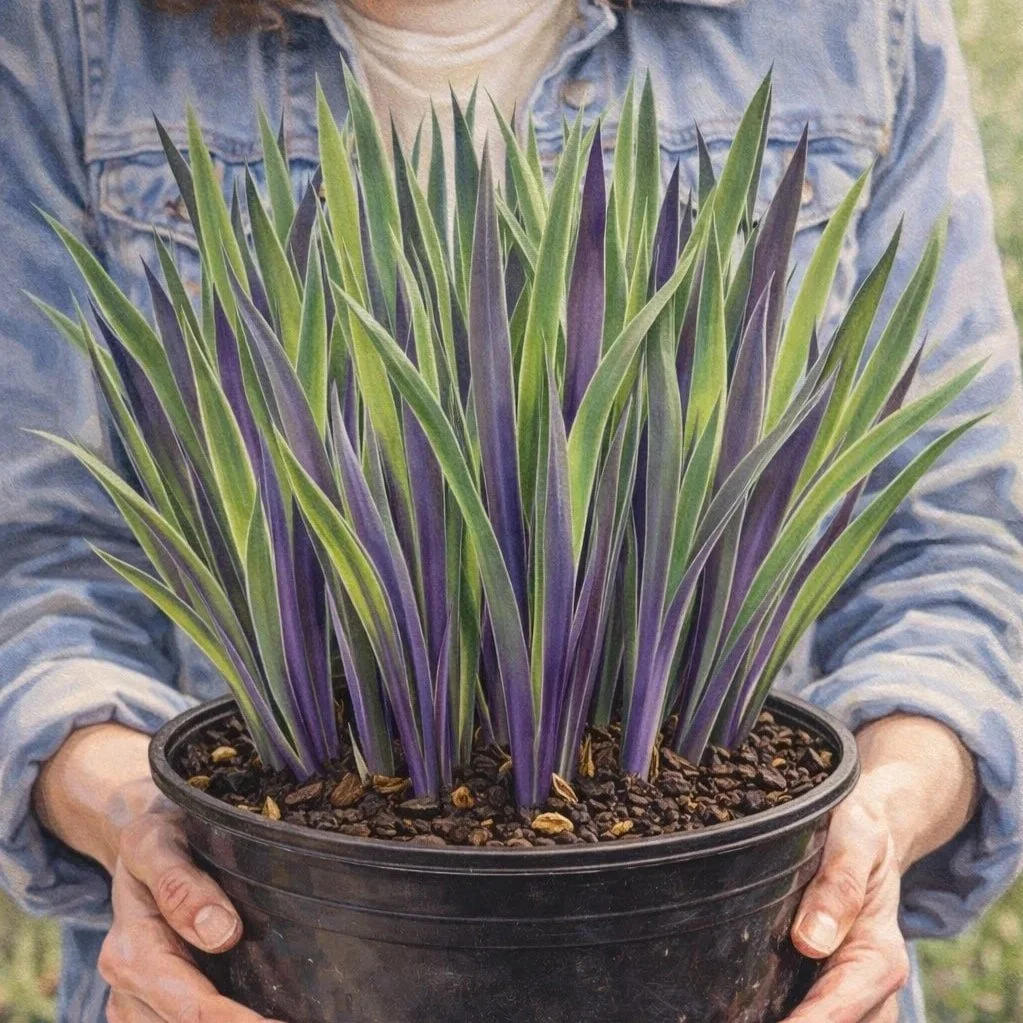
Availability: 70
Blue Flag Iris ‘Purple Flame’ (Iris versicolor ), is a striking native perennial valued for its rich purple flowers, bold yellow markings, and strong upright foliage. Native to eastern North America, this cultivar performs beautifully in Hudson Valley and New York State gardens, especially in consistently moist soils and wet garden settings.
Blooming in late spring to early summer, dramatic purple-blue flowers rise above sword-like foliage, attracting native bees and other pollinators common to New York landscapes. Purple Flame adds vibrant color and structure to rain gardens, pond edges, and naturalized wetland plantings, while maintaining the toughness and adaptability of the species.
Moderate Deer Resistance
Purple Flame Blue Flag Iris is generally avoided by deer and performs best in Hudson Valley gardens with low to moderate deer pressure.
Availability: 30
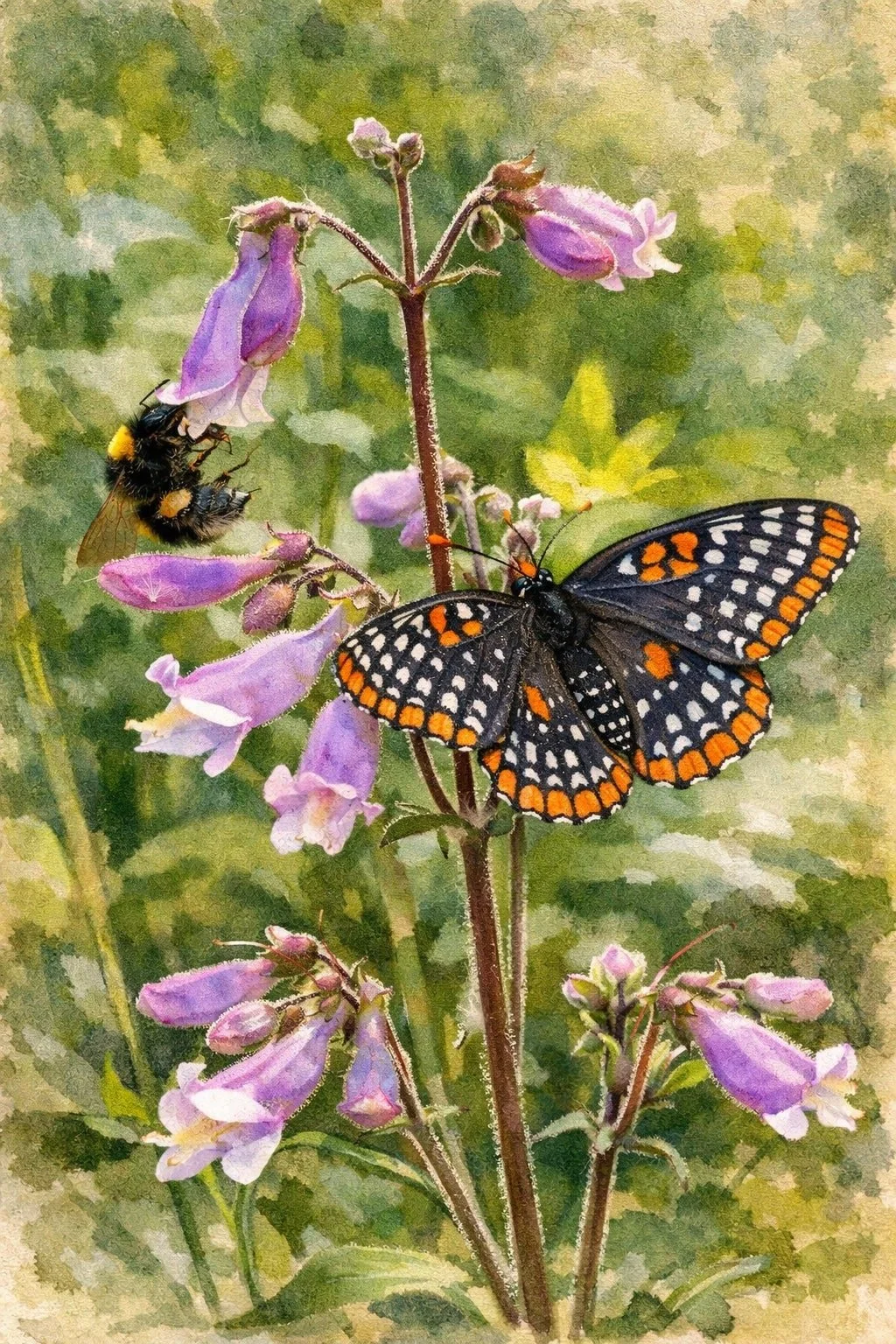
Hairy Beardtongue (Penstemon hirsutus), is a tough, adaptable native perennial valued for its pale lavender spring flowers, compact habit, and tolerance of dry, rocky soils. Native to eastern North America, this species performs exceptionally well in Hudson Valley and New York State gardens, especially in full sun to part shade with well-drained soils.
Blooming in late spring to early summer, slender spikes of tubular lavender flowers attract native bees, butterflies, and other early-season pollinators common to New York landscapes. Hairy Beardtongue is drought tolerant once established and well suited for dry slopes, meadow plantings, and naturalized native borders.
Moderate Deer Resistance
Hairy Beardtongue is generally avoided by deer and performs best in Hudson Valley gardens with low to moderate deer pressure.
First to bloom
Availability: 100
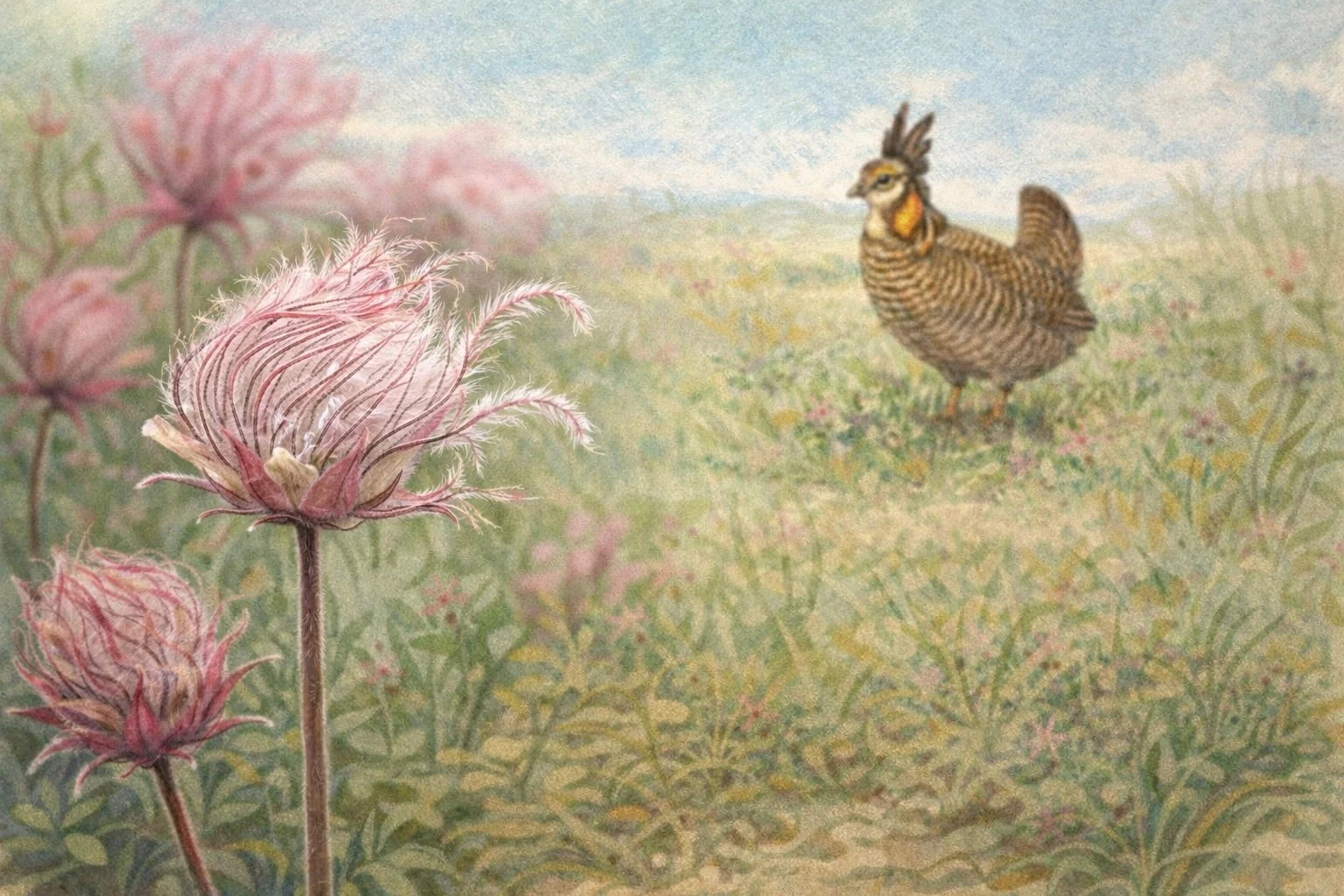
Prairie Smoke (Geum triflorum), commonly known as Prairie Smoke, is a distinctive native perennial valued for its nodding pink spring flowers, silky seed heads, and drought-tolerant nature. Native to North America, this species performs well in Hudson Valley and New York State gardens, particularly in full sun with well-drained, sandy, or rocky soils.
Blooming in mid to late spring, three-petaled pink flowers hang delicately above finely textured foliage, followed by dramatic, feathery seed heads that resemble drifting smoke. Prairie Smoke adds early-season interest and unique texture to New York landscapes, making it an excellent choice for native meadows, rock gardens, and dry borders.
Moderate Deer Resistance
Prairie Smoke is generally avoided by deer and performs best in Hudson Valley gardens with low to moderate deer pressure.
Availability: 150
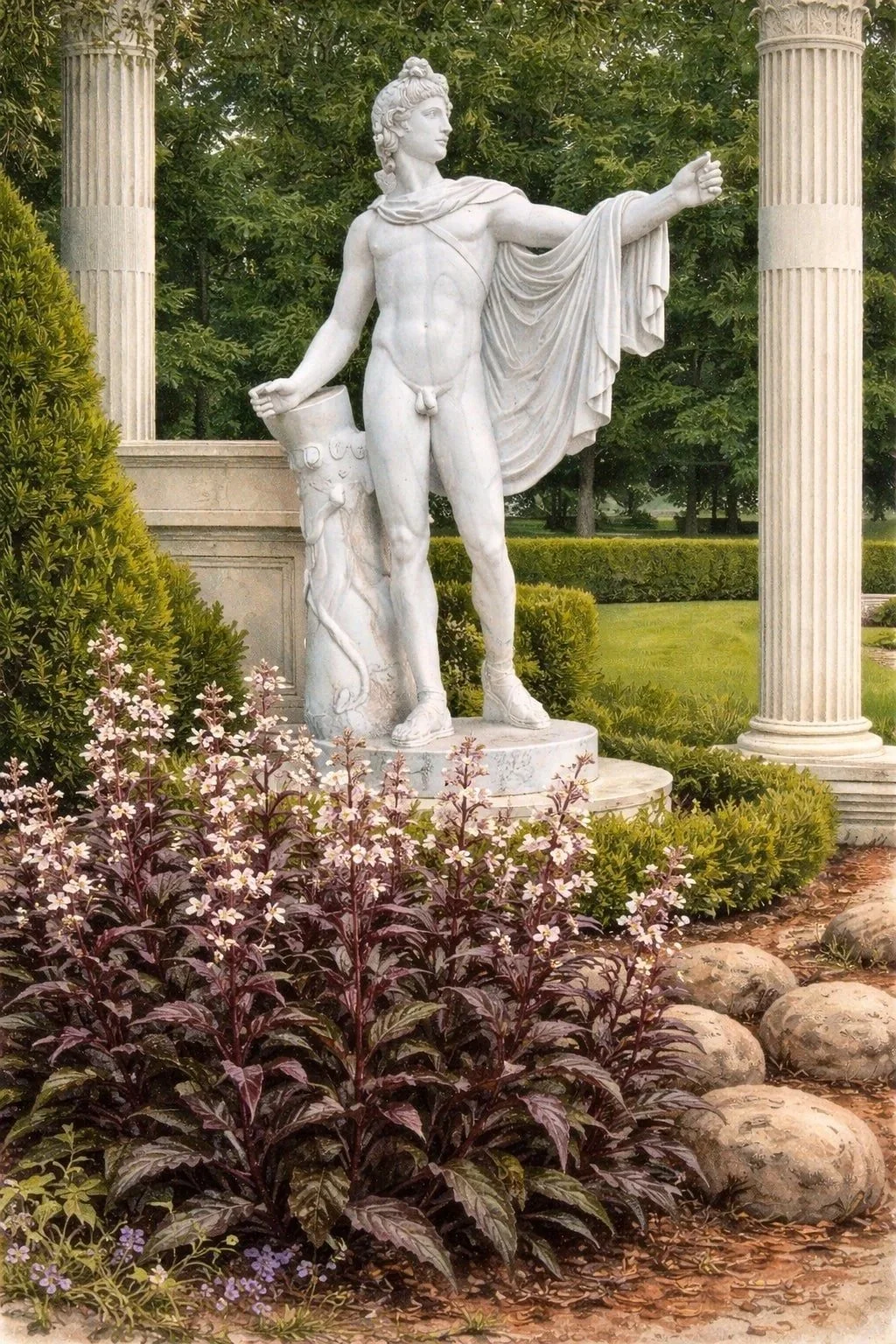
Beardtongue 'Husker Red' (Penstemon digitalis), is a striking native perennial valued for its deep burgundy foliage, upright flower spikes, and excellent garden performance. Native to central and eastern North America, this cultivar performs exceptionally well in Hudson Valley and New York State gardens, especially in full sun to part shade with well-drained soils.
Blooming in late spring to early summer, tall spikes of tubular white flowers rise above dark foliage, attracting native bees, butterflies, and other pollinators common to New York landscapes. Husker Red provides strong color contrast, early-season interest, and a clean architectural look in native borders, pollinator gardens, and perennial plantings.
Moderate Deer Resistance
Husker Red Beardtongue is generally avoided by deer and performs best in Hudson Valley gardens with low to moderate deer pressure.
Availability: 40
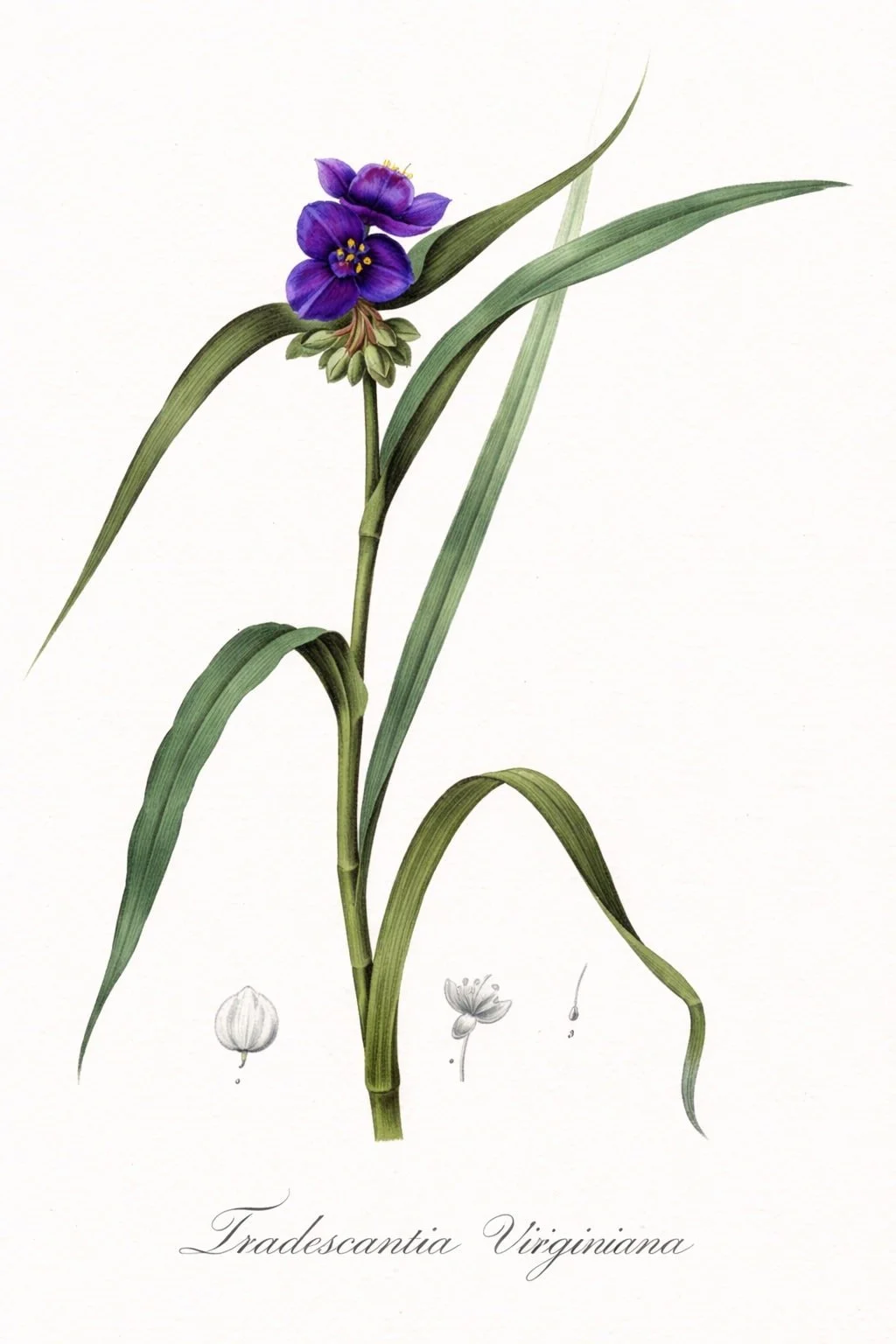
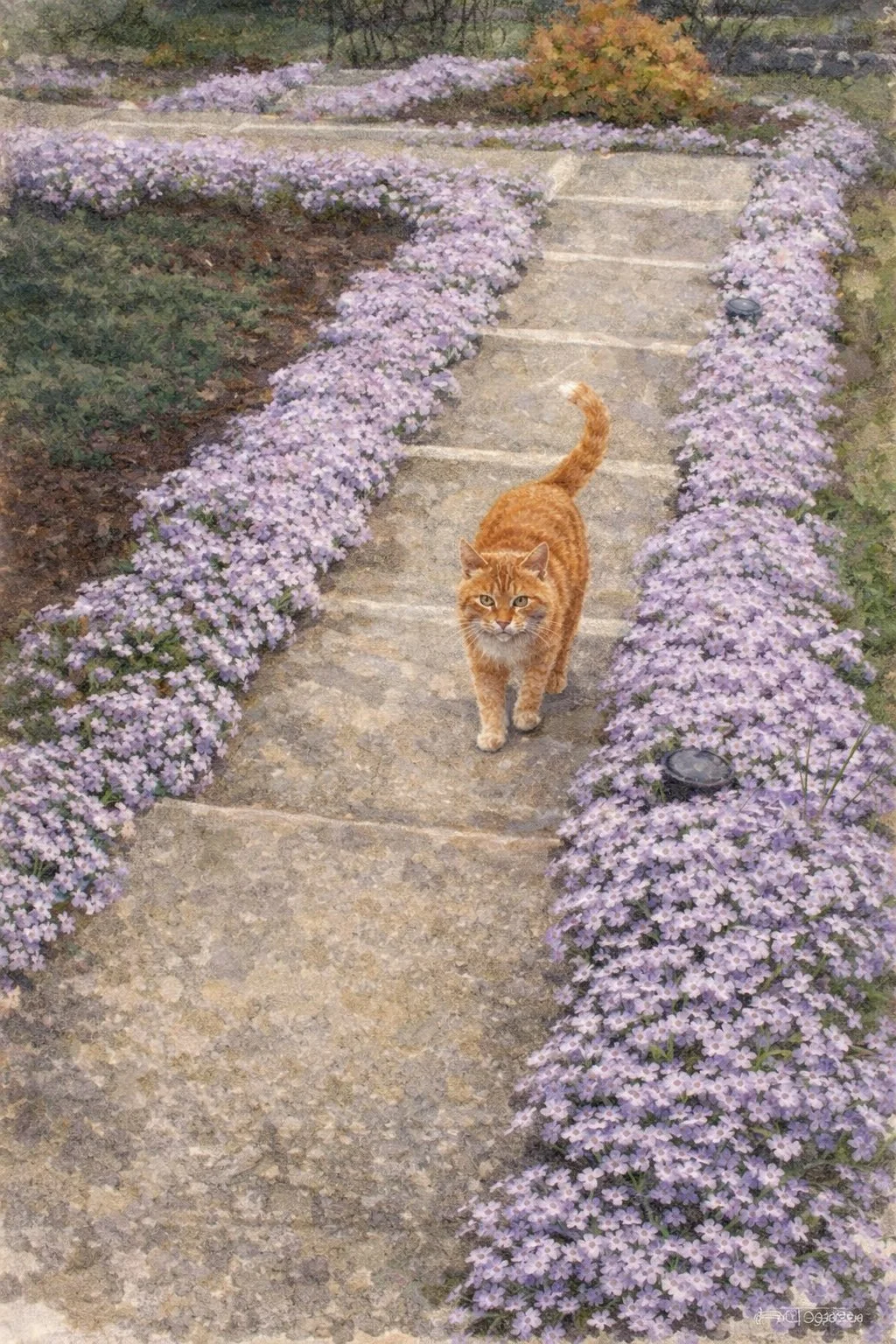
Virginia Spiderwort (Tradescantia virginiana), is a classic native perennial valued for its vibrant blue to purple flowers, upright grassy foliage, and dependable garden performance. Native to eastern North America, this species thrives in Hudson Valley and New York State gardens, particularly in full sun to part shade with average to moist, well-drained soils.
Blooming from late spring into early summer, clusters of three-petaled flowers open in the morning and attract native bees and other pollinators common to New York landscapes. Virginia Spiderwort brings bold color and an easy, natural look to perennial borders, pollinator gardens, and meadow-style plantings, and often reblooms if lightly cut back after flowering.
Moderate Deer Resistance
Virginia Spiderwort is generally avoided by deer and performs best in Hudson Valley gardens with low to moderate deer pressure.
Availability: 100
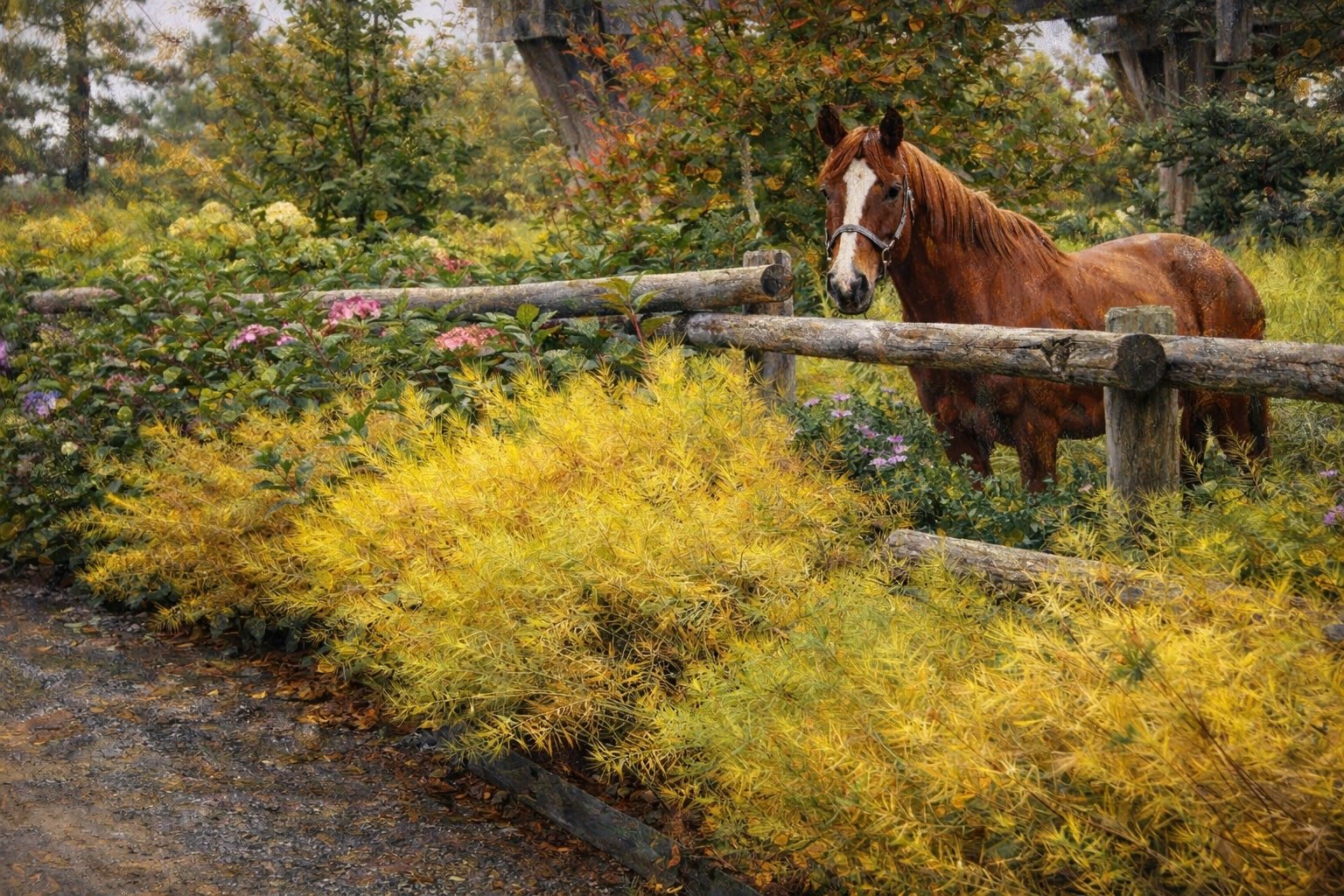
Moss Phlox ‘Emerald Blue’ (Phlox subulata ), commonly known as Creeping Phlox, is a low-growing native perennial valued for its vibrant blue spring flowers and dense, evergreen mat of foliage. Native to eastern North America, this cultivar performs beautifully in Hudson Valley and New York State gardens, especially in full sun with well-drained, rocky, or sandy soils.
Blooming in early to mid-spring, masses of bright blue flowers create a stunning carpet of color, attracting early pollinators common to New York landscapes. Emerald Blue is drought tolerant once established and ideal for slopes, rock gardens, edging, and sunny borders where a durable, flowering groundcover is desired.
Moderate Deer Resistance
Emerald Blue Moss Phlox is generally avoided by deer and performs best in Hudson Valley gardens with low to moderate deer pressure.
Threadleaf Amsonia (Amsonia hubrichtii), commonly known as Threadleaf Bluestar, is a graceful native perennial valued for its fine, threadlike foliage, soft blue spring flowers, and outstanding fall color. Native to the south-central United States, this long-lived plant forms a rounded, airy clump that adds texture and movement to perennial borders and naturalistic plantings.
In late spring, pale blue star-shaped flowers appear above the foliage, followed by a season of soft green texture that turns a brilliant golden yellow in fall. Threadleaf Bluestar has a light, flowing habit that works beautifully in both formal gardens and meadow-inspired landscapes.
Moderate Deer Resistance
Threadleaf Amsonia is generally avoided by deer and performs best in Hudson Valley gardens with low to moderate deer pressure.
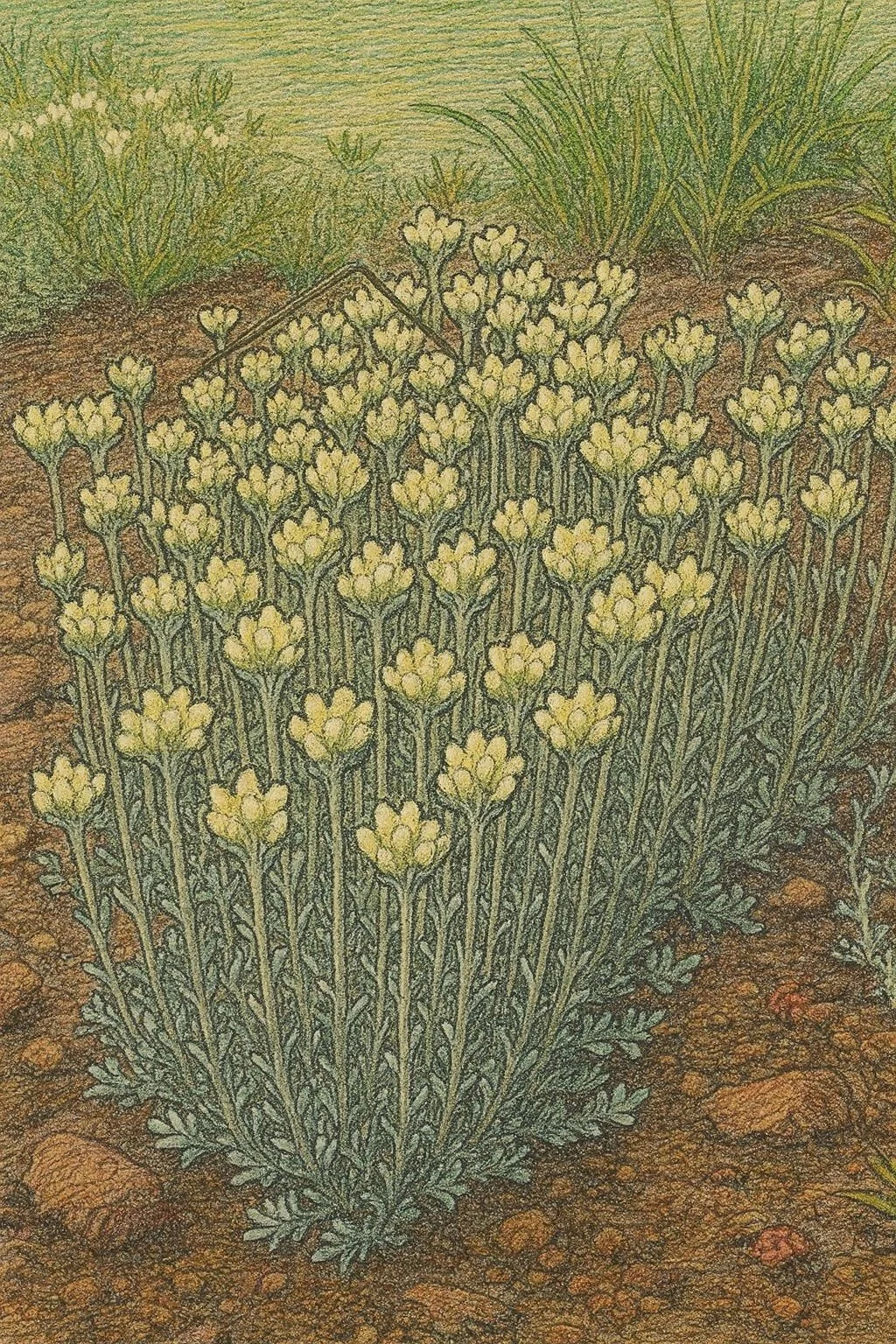
Pussy Toes (Antennaria plantaginifolia) is a low-growing native perennial ideal for sunny, dry locations in New York gardens and Hudson Valley landscapes. Valued for its soft, silvery-green foliage and springtime white flowers, this charming groundcover spreads gently to form a durable, natural carpet where turf and other plants often struggle.
Well adapted to New York State growing conditions, Pussy Toes thrives in poor, well-drained soils and tolerates drought, mowing, and light foot traffic. It is commonly used as a lawn alternative, along pathways, in rock gardens, and in containers. A relative of Pearly Everlasting, it also serves as a host plant for the American Lady butterfly.
Low maintenance and deer resistant, Antennaria plantaginifolia is an excellent choice for gardeners seeking resilient native groundcovers and pollinator-supporting plants for New York landscapes.
Availability: 30
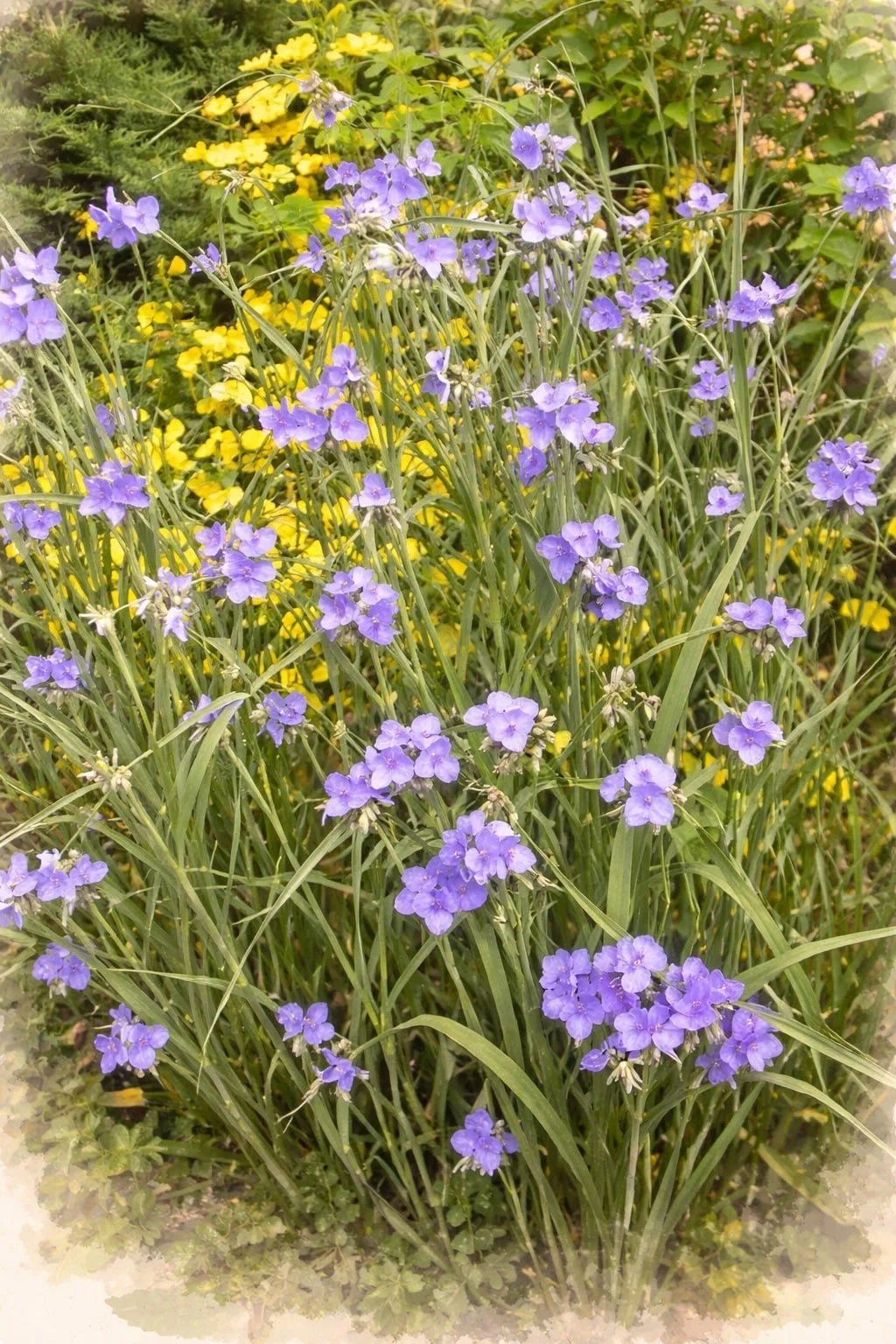
Ohio Spiderwort (Tradescantia ohiensis), is a resilient native perennial valued for its clear blue summer flowers, grass-like foliage, and easy-going nature. Native to central and eastern North America, this species performs exceptionally well in Hudson Valley and New York State gardens, especially in full sun to part shade with well-drained soils.
Blooming from late spring into early summer, clusters of three-petaled blue flowers open in the morning and attract native bees and other pollinators common to New York landscapes. Ohio Spiderwort adds movement, color, and a relaxed meadow feel to pollinator gardens, native borders, and naturalized plantings.
Moderate Deer Resistance
Ohio Spiderwort is generally avoided by deer and performs best in Hudson Valley gardens with low to moderate deer pressure.
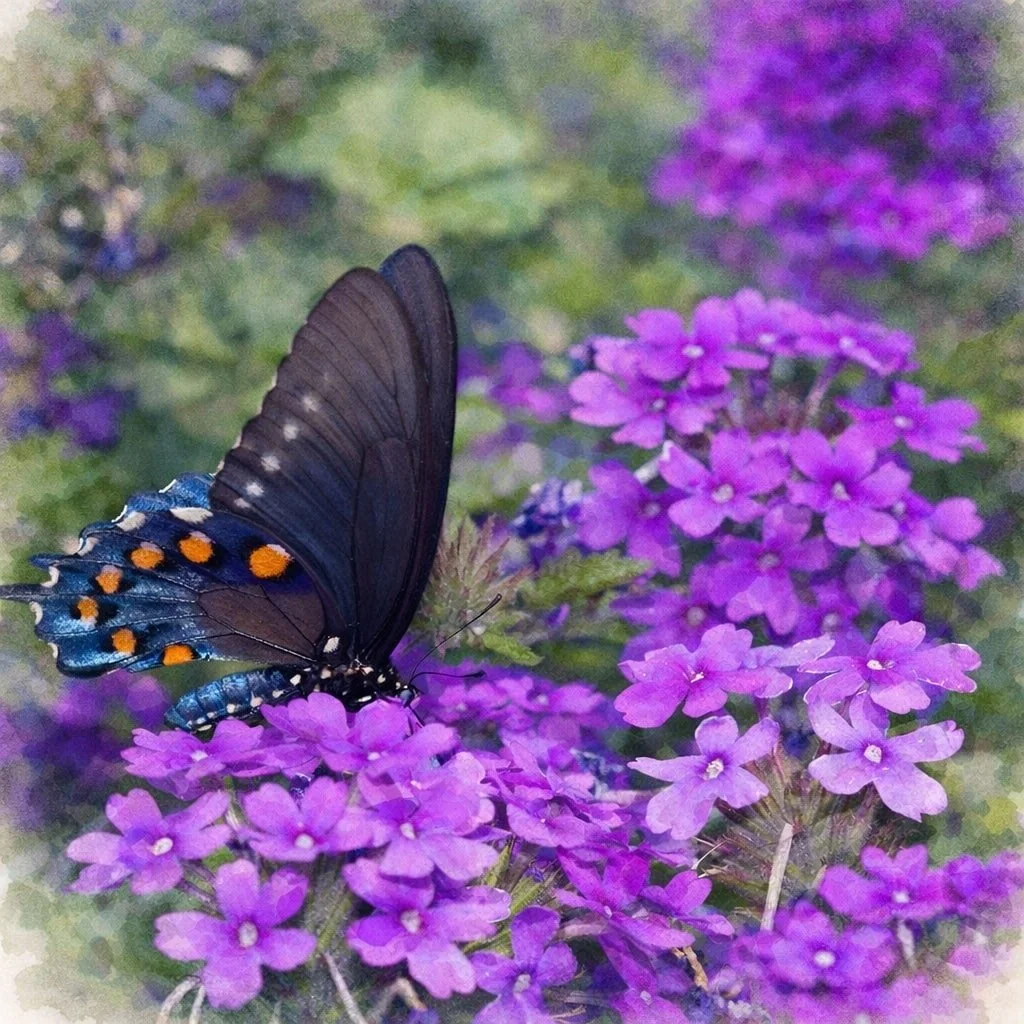
Availability: 40
Verbena ‘Homestead Purple (Verbena canadensis ), is a long-blooming native perennial valued for its vivid purple flower clusters, spreading habit, and exceptional heat tolerance. Native to North America, this cultivar performs reliably in Hudson Valley and New York State gardens, especially in full sun with well-drained soils.
Blooming from late spring through fall, masses of rich purple flowers attract butterflies, native bees, and other pollinators common to New York landscapes. Homestead Purple forms a low, mounding groundcover that works beautifully in borders, slopes, containers, and pollinator gardens, offering months of color with minimal maintenance.
Moderate Deer Resistance
Homestead Purple Verbena is generally avoided by deer and performs best in Hudson Valley gardens with low to moderate deer pressure.
12 Packs for sun gardens
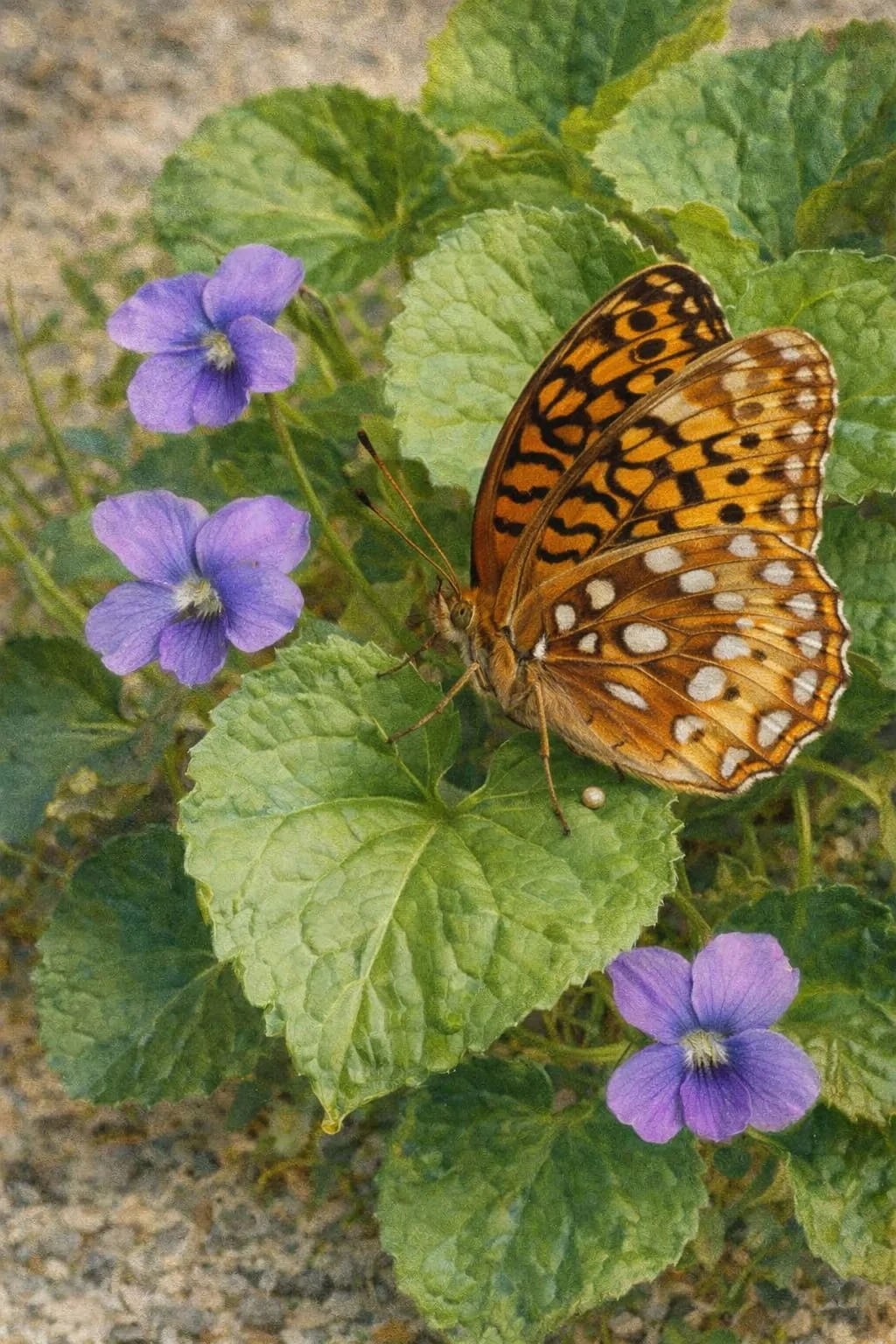
Availability: 40
Common Blue Violet (Viola sororia) is a charming, early-blooming native perennial valued for its cheerful purple-blue flowers, adaptability, and exceptional ecological value. Native to eastern North America, common blue violet thrives in Hudson Valley and New York landscapes, where it provides critical early-season nectar and functions as a resilient woodland groundcover.
In early to mid-spring, Viola sororia produces masses of five-petaled violet-blue flowers with delicate white and yellow markings. The blooms are an important nectar source for early-emerging native bees and serve as a host plant for fritillary butterfly caterpillars. Heart-shaped green leaves form a low, spreading mat that remains attractive through much of the growing season and helps suppress weeds beneath trees and shrubs.
Well suited to Hudson Valley residential landscapes, Common Blue Violet thrives in part shade to light shade but is highly adaptable and tolerates full sun with adequate moisture. It performs well in average to moist soils and excels in woodland gardens, lawns managed as meadow, shaded borders, and naturalized plantings. Its toughness, early bloom time, and ecological importance make it a cornerstone plant for native-forward and pollinator-supportive landscapes.
Plants Should Be Protected From Deer:
This plant should be fenced or grown within a fenced area to prevent deer browse. In low to moderate deer pressure areas, applying deer spray monthly is typically effective at preventing browsing.
Palm Sedge (Carex muskingumensis) is a distinctive native sedge well suited to New York gardens and Hudson Valley landscapes. Known for its upright, palm-like foliage arranged in layered tiers, this clump-forming sedge adds strong texture and architectural interest to shade and part-shade plantings.
Well adapted to New York State growing conditions, Palm Sedge thrives in moist to average soils and performs especially well in rain gardens, along pond edges, and in shaded borders. Its bold foliage pairs beautifully with flowering perennials and other woodland plants, providing structure and interest throughout the growing season.
Low maintenance and deer resistant, Carex muskingumensis is an excellent native alternative to ornamental grasses and a reliable choice for gardeners seeking durable, shade-tolerant native plants for New York landscapes.
Deer resistant, low maintenance, and long-lived, Matteuccia struthiopteris is an excellent choice for gardeners and landscape designers seeking dependable native ferns and timeless woodland beauty in New York landscapes.
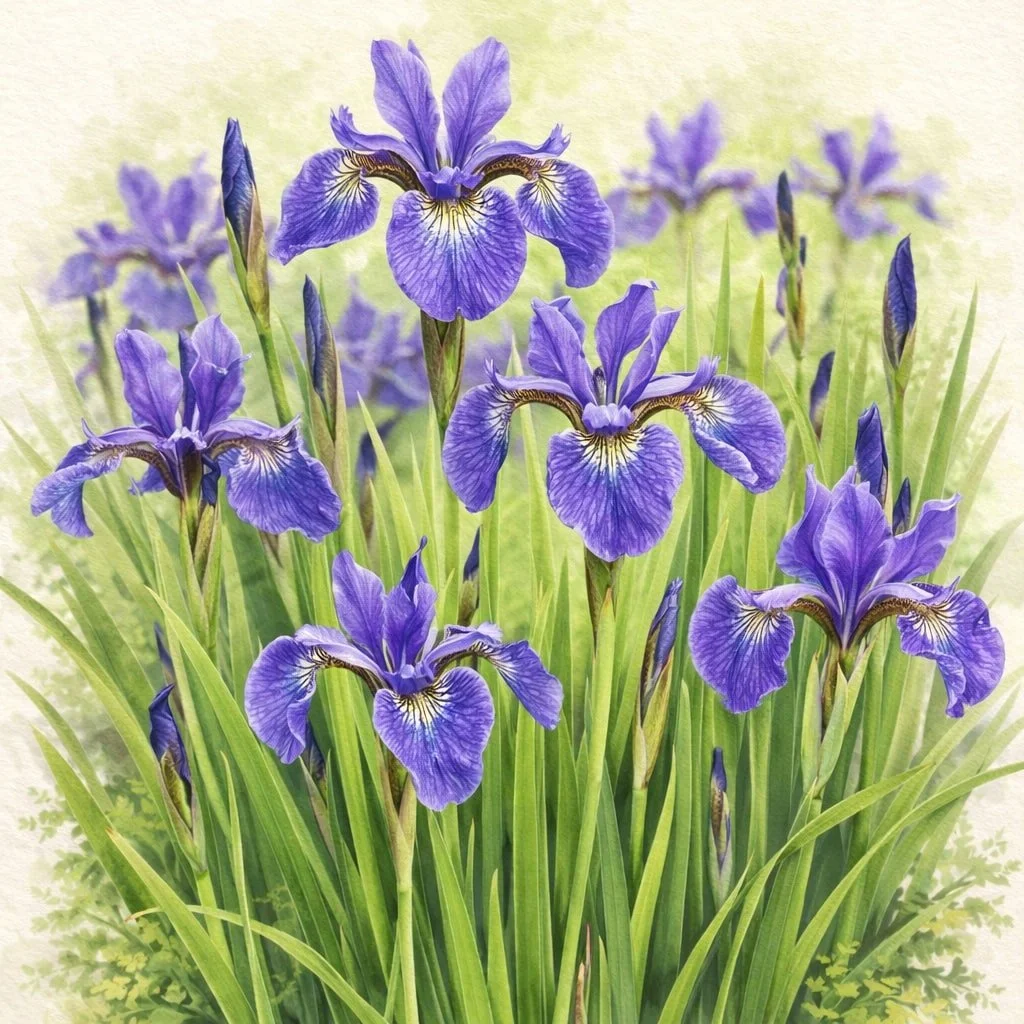
Availability: 20 packages
Blue Flag Iris (Iris versicolor), commonly known as Blue Flag Iris, is a striking native perennial valued for its bold blue-violet flowers, sword-like foliage, and adaptability to wet soils. Native to eastern North America, this species thrives in Hudson Valley and New York State gardens, particularly in consistently moist sites such as rain gardens, pond edges, and stream banks.
Blooming in late spring to early summer, large blue-purple flowers rise above upright foliage, attracting native bees and other pollinators common to New York landscapes. Blue Flag Iris adds dramatic color and structure to wetland plantings and naturalized areas, where its strong presence helps stabilize soil and support biodiversity.
Moderate Deer Resistance
Blue Flag Iris is generally avoided by deer and performs best in Hudson Valley gardens with low to moderate deer pressure.