Skip to Content
newyorkflowerfarm.com
Services
Native plants
Plant plugs
Kitchen garden plants
Farmers markets
Blog
Our story
FAQ
Testimonials
Contact
0
0
newyorkflowerfarm.com
Services
Native plants
Plant plugs
Kitchen garden plants
Farmers markets
Blog
Our story
FAQ
Testimonials
Contact
0
0
Services
Folder: Native plants
Back
Native plants
Plant plugs
Kitchen garden plants
Farmers markets
Blog
Our story
Folder: More
Back
FAQ
Testimonials
Contact
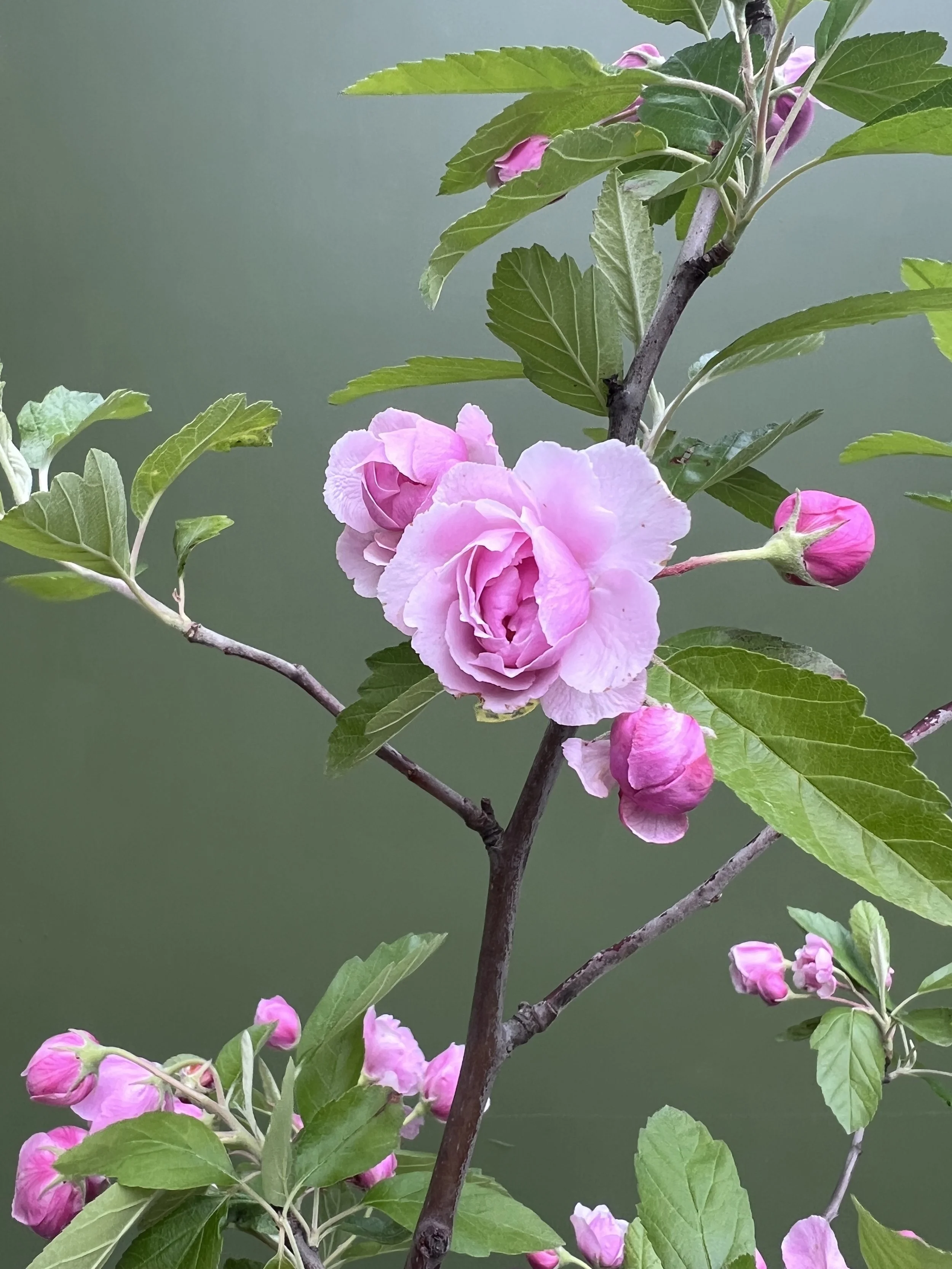
Prairie Rose Crabapple — A Forgotten Native Tree Worth Growing
Mackenzie Younger 5/9/26 Mackenzie Younger 5/9/26

Prairie Rose Crabapple — A Forgotten Native Tree Worth Growing

Prairie Rose Crabapple — A Forgotten Native Tree Worth Growing.

Among the many flowering trees native to North America, few are as unusual and underappreciated as the Prairie Rose Crabapple (Malus ioensis).

Read More
Contact
Contact
Shop plants
Shop plants
Rhododendron ‘Roseum Elegans’ | Rhododendron catawbiense 5 gallon 30'' + tall Rhododendron ‘Roseum Elegans’ | Rhododendron catawbiense 5 gallon 30'' + tall
Rhododendron ‘Roseum Elegans’ | Rhododendron catawbiense 5 gallon 30'' + tall
$120.00

Availability: 15

‘Roseum Elegans’ Catawba Rhododendron (Rhododendron catawbiense ‘Roseum Elegans’) is a classic evergreen shrub prized for its large lavender-pink flower trusses, dense year-round foliage, and excellent cold hardiness. A longtime favorite in northeastern landscapes, ‘Roseum Elegans’ performs reliably in Hudson Valley and New York gardens, providing structure, screening, and dramatic spring bloom.

In late spring, ‘Roseum Elegans’ produces broad, rounded clusters of soft rose-lavender flowers with subtle spotting, creating a bold floral display against dark green, leathery evergreen leaves. The blooms are attractive to native bees and other pollinators, while the foliage offers four-season presence and winter interest. Its broad, rounded habit makes it especially effective as a foundation shrub or woodland backdrop.

Well suited to Hudson Valley residential landscapes, ‘Roseum Elegans’ Catawba Rhododendron thrives in part shade to light shade and prefers acidic, well-drained, organically rich soils. It excels along woodland edges, beneath high tree canopies, and in mixed evergreen borders where year-round structure and spring color are desired. Its durability, classic form, and cold tolerance make it a cornerstone shrub for traditional, woodland, and native-adjacent garden designs.

Moderate Deer Resistance

Rattlesnake Master is generally avoided by deer and performs best in Hudson Valley gardens with low to moderate deer pressure.

Bur Oak | Quercus macrocarpa 20 gallon  8–10ft tall Bur Oak | Quercus macrocarpa 20 gallon  8–10ft tall
Bur Oak | Quercus macrocarpa 20 gallon 8–10ft tall
$320.00

Availability: 8

Bur Oak (Quercus macrocarpa) is a monumental native shade tree valued for its massive stature, rugged beauty, and extraordinary ecological importance. One of North America’s most resilient and long-lived oaks, bur oak performs exceptionally well in Hudson Valley and New York landscapes, where it serves as a true legacy tree for large residential properties, farms, parks, and restoration plantings.

Bur oak is instantly recognizable by its large, deeply lobed leaves and thick, corky bark, which give the tree a powerful, timeless presence. In fall, foliage turns warm shades of yellow and brown before dropping to reveal a strong branching structure that provides winter interest. The tree produces large acorns with distinctive fringed caps—an important food source for birds, mammals, and wildlife. As a keystone species, bur oak supports hundreds of native insect species, making it one of the most ecologically valuable trees available.

Well suited to Hudson Valley residential and rural landscapes, Bur Oak thrives in full sun and adapts to a wide range of soils, including clay, compacted, drought-prone, and seasonally wet sites. Its deep root system and exceptional durability make it highly wind-, drought-, and climate-resilient once established. Offered here as a #20 container tree at 8–10 feet tall, this specimen provides a strong head start toward establishing a long-lived canopy tree.

Plants Should Be Protected From Deer:
This tree should be protected from deer while young to prevent browsing and buck rub. In low to moderate deer pressure areas, applying deer spray monthly is typically effective. Fencing or tree tubes are recommended during establishment; once branches are above 5 feet, fencing is generally no longer required.

Geranium 'Espresso' | Geranium maculatum 1 gallon Geranium 'Espresso' | Geranium maculatum 1 gallon
Geranium 'Espresso' | Geranium maculatum 1 gallon
$24.00

Availability: 70

Geranium ‘Espresso’ (Geranium maculatum ), is a refined native perennial valued for its deep burgundy spring foliage, soft lavender-pink flowers, and shade tolerance. Native to eastern North America, this cultivar performs beautifully in Hudson Valley and New York State gardens, especially in part shade to full shade with well-drained, woodland soils.

Blooming in mid to late spring, delicate cup-shaped flowers rise above dark foliage, attracting native bees and other early pollinators common to New York landscapes. As the season progresses, the foliage softens to green, providing a calm, textural groundcover beneath trees and shrubs. Espresso Wild Geranium blends effortlessly into woodland gardens, native borders, and naturalized plantings.

Moderate Deer Resistance

Espresso Wild Geranium is generally avoided by deer and performs best in Hudson Valley gardens with low to moderate deer pressure.

Cardinal Flower | Lobelia cardinalis 1 gallon Cardinal Flower | Lobelia cardinalis 1 gallon
Cardinal Flower | Lobelia cardinalis 1 gallon
$20.00

Availability: 50

Cardinal Flower (Lobelia cardinalis) is a show-stopping native perennial prized for its intense scarlet-red flower spikes, upright form, and exceptional pollinator value. Native to eastern North America, cardinal flower thrives in Hudson Valley and New York landscapes, where it brings vivid late-summer color and strong ecological function to moist garden settings.

From mid to late summer, Lobelia cardinalis produces tall, vertical spikes densely packed with brilliant red tubular flowers. The blooms are a critical nectar source for hummingbirds and are also visited by native bees and butterflies. Dark green to burgundy-tinged foliage provides a rich backdrop for the fiery blooms, adding depth and contrast to the garden.

Well suited to Hudson Valley residential landscapes, Cardinal Flower performs best in full sun to part shade with consistently moist to wet soils. It excels in rain gardens, along pond edges, in low areas, and in perennial borders where moisture is available. Its dramatic color, vertical habit, and wildlife value make it a cornerstone plant for pollinator-focused, native-forward, and water-wise landscape designs.

Plants Should Be Protected From Deer:
This plant should be fenced or grown within a fenced area to prevent deer browse. In low to moderate deer pressure areas, applying deer spray monthly is typically effective at preventing browsing. For trees with branches above 5 feet, fencing is not required; however, a tree tube is recommended while the tree is young to prevent buck rubbing in the fall.

50 Butterfly Weed | Asclepias tuberosa plugs 50 Butterfly Weed | Asclepias tuberosa plugs
50 Butterfly Weed | Asclepias tuberosa plugs
$190.00

Butterfly Weed | Asclepias tuberosa Plugs – Tray of 50 Plants

Our native plant plug trays (50 plants per tray) are an efficient and affordable way to establish pollinator gardens, butterfly gardens, meadows, rain gardens, and ecological landscapes across New York and the Hudson Valley.

Each tray includes nursery-grown native perennials, grasses, or sedges, grown as plugs that root quickly, adapt easily to local soils, and often outperform larger container plants over time. Plugs are the preferred choice for landscape designers, restoration projects, municipalities, and serious home gardeners who understand that planting native plants in mass not only looks better, but creates a much greater positive impact on the local ecosystem.

Native plant plugs typically take one growing season to establish and reach mature size. They are one of the best long-term investments you can make in your landscape—allowing you to plant more, achieve better coverage, and build resilient plant communities that thrive in New York’s climate.

Bottlebrush Buckeye | Aesculus parviflora 3 gallon 30-36'' Bottlebrush Buckeye | Aesculus parviflora 3 gallon 30-36''
Bottlebrush Buckeye | Aesculus parviflora 3 gallon 30-36''
$65.00

Bottlebrush Buckeye (Aesculus parviflora) is a bold, shade-tolerant native shrub prized for its dramatic summer flowers, lush tropical-looking foliage, and good deer resistance. Native to the southeastern United States, this large, spreading shrub thrives in part shade and full sun, and brings structure, movement, and pollinator activity to woodland edges and shaded landscapes.

In early to mid-summer, tall white “bottlebrush” flower spikes rise above the foliage, attracting bees, beneficial insects and especially large butterflies. In fall, the large palmate leaves turn a soft yellow, extending seasonal interest.

Moderate Deer Resistance

Bottlebrush Buckeye is generally avoided by deer and performs best in Hudson Valley gardens with low to moderate deer pressure.

Carolina Allspice | Calycanthus floridus 3 gallon 30-36'' Carolina Allspice | Calycanthus floridus 3 gallon 30-36''
Carolina Allspice | Calycanthus floridus 3 gallon 30-36''
$65.00

Availability: 50

Carolina Allspice (Calycanthus floridus), is a fragrant native shrub valued for its deep burgundy spring flowers, glossy foliage, and adaptability to a range of garden conditions. Native to the southeastern United States, this species performs well in Hudson Valley and New York State gardens, particularly in part shade to full sun with average to moist soils.

Blooming in mid to late spring, unusual reddish-brown flowers release a rich, spicy fragrance often compared to strawberries and cloves. Carolina Allspice brings multi-sensory appeal to New York landscapes, offering scent, structure, and seasonal interest in native shrub borders, woodland edges, and foundation plantings.

Moderate Deer Resistance

Carolina Allspice is generally avoided by deer and performs best in Hudson Valley gardens with low to moderate deer pressure.

Florida Flame Azalea | Rhododendron austrinum 5 gallon 30'' + tall Florida Flame Azalea | Rhododendron austrinum 5 gallon 30'' + tall
Florida Flame Azalea | Rhododendron austrinum 5 gallon 30'' + tall
$135.00

Availability: 15

Florida Flame Azalea (Rhododendron austrinum) is a spectacular deciduous native shrub prized for its intensely fragrant spring flowers, fiery yellow-to-orange coloration, and strong wildlife value. Native to the southeastern United States, Rhododendron austrinum performs well in protected sites in Hudson Valley and New York landscapes, where it brings dramatic seasonal color and fragrance to woodland and native shrub plantings.

In mid to late spring, Florida flame azalea produces large, showy clusters of tubular flowers in glowing shades of golden yellow, apricot, and soft orange—often lightly flushed with red. The blooms are richly fragrant and highly attractive to native pollinators, especially early-season bees and butterflies. Fresh green foliage emerges after flowering and remains clean through summer, turning warm yellow tones in fall before dropping.

Well suited to Hudson Valley residential landscapes, Florida Flame Azalea thrives in part shade to light shade and prefers acidic, well-drained, organically rich soils. It excels along woodland edges, beneath open tree canopies, and in mixed native shrub borders where spring fragrance and color are celebrated. Its bold floral display, native pedigree, and pollinator value make it a standout choice for woodland-inspired and native-forward garden designs.

Plants Should Be Protected From Deer:
This plant should be fenced or grown within a fenced area to prevent deer browse. In low to moderate deer pressure areas, applying deer spray monthly is typically effective at preventing browsing. For shrubs, physical barriers or temporary fencing are recommended where deer pressure is high.

Copyright. All rights reserved. New York Flower Farm LLC, 2026